
Panchthar District (Nepal): geography, history and culture
Panchthar is a hilly district in eastern Nepal, formerly part of Mechi Zone. This article summarizes its geography, people, economy, history and modern administration.
Overview
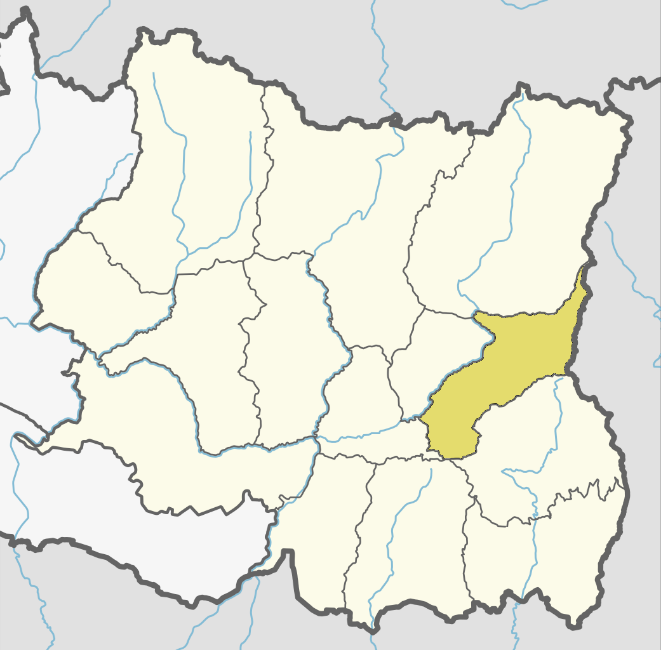
Panchthar District (पाँचथर जिल्ला) is a hilly district in eastern Nepal. Historically it belonged to the Mechi Zone of the Eastern Development Region, and today it is administered within Province No. 1. The district headquarters is the town of Phidim.

Image gallery
3 Images

Geography and environment
Panchthar lies in the mid-hills of the eastern Himalaya. The terrain is largely steep valleys, ridgelines and terraced farmland. Its climate ranges from temperate valleys to cooler uplands, with monsoon rains affecting agriculture and river systems. Forested slopes and river ravines are common across the district, offering habitat for native flora and fauna.
People, languages and culture
The district is home to several ethnic communities. Indigenous groups such as the Limbu and various Rai peoples are prominent, alongside Nepali-speaking groups. Languages include Nepali as a lingua franca and a variety of Tibeto-Burman languages spoken by local communities. Traditional customs, festivals and oral traditions remain important to social life; many communities practice distinctive dress, music and ritual.
Economy and local life
Agriculture is the backbone of Panchthar's economy. Farmers cultivate rice, maize, millet and cash crops suited to hilly terrain. The district is also known for horticulture and small-scale production of crops such as cardamom and tea in suitable pockets. Remittances from migrant workers contribute significantly to household incomes. Local markets in towns like Phidim connect producers to regional trade.
History and administration
Panchthar is part of the broader historical region often referred to as Limbuwan, an area with a distinct history of local rulers and cultural institutions before its integration into modern Nepal. Administrative reforms in the 2010s reorganized Nepal into provinces and new local bodies; Panchthar now functions under provincial structures while retaining its district identity for many governmental purposes.
Points of interest and distinctions
- Rich cultural heritage associated with Limbu and Rai communities.
- Hilly landscapes that offer opportunities for low-impact trekking and rural tourism.
- Transition from older zones and development regions to the provincial system reflects Nepal's recent political-administrative changes; see general information on Nepal for context.
Panchthar's combination of cultural diversity, agricultural livelihoods and rugged terrain makes it representative of Nepal's eastern mid-hills: a place where traditional lifestyles and modern administrative changes meet. For further administrative or statistical details consult regional sources and government publications.
Related articles
Author
AlegsaOnline.com Panchthar District (Nepal): geography, history and culture Leandro Alegsa
URL: https://en.alegsaonline.com/art/74327