
Petrópolis — the Imperial Mountain City in Rio de Janeiro State
Petrópolis is a historic mountain city in Rio de Janeiro state, Brazil, known for its 19th-century imperial heritage, cooler climate, preserved architecture and nearby natural parks; population about 300,000.
Overview
Petrópolis is a municipality in the highlands of the state of Rio de Janeiro in southeastern Brazil. Located inland from the coastal plain, it developed as a cooler retreat and today has a population of roughly 300,000 residents and an area of about 796 km². For official information see the municipal profile city page.
Image gallery
10 Images




Geography and climate
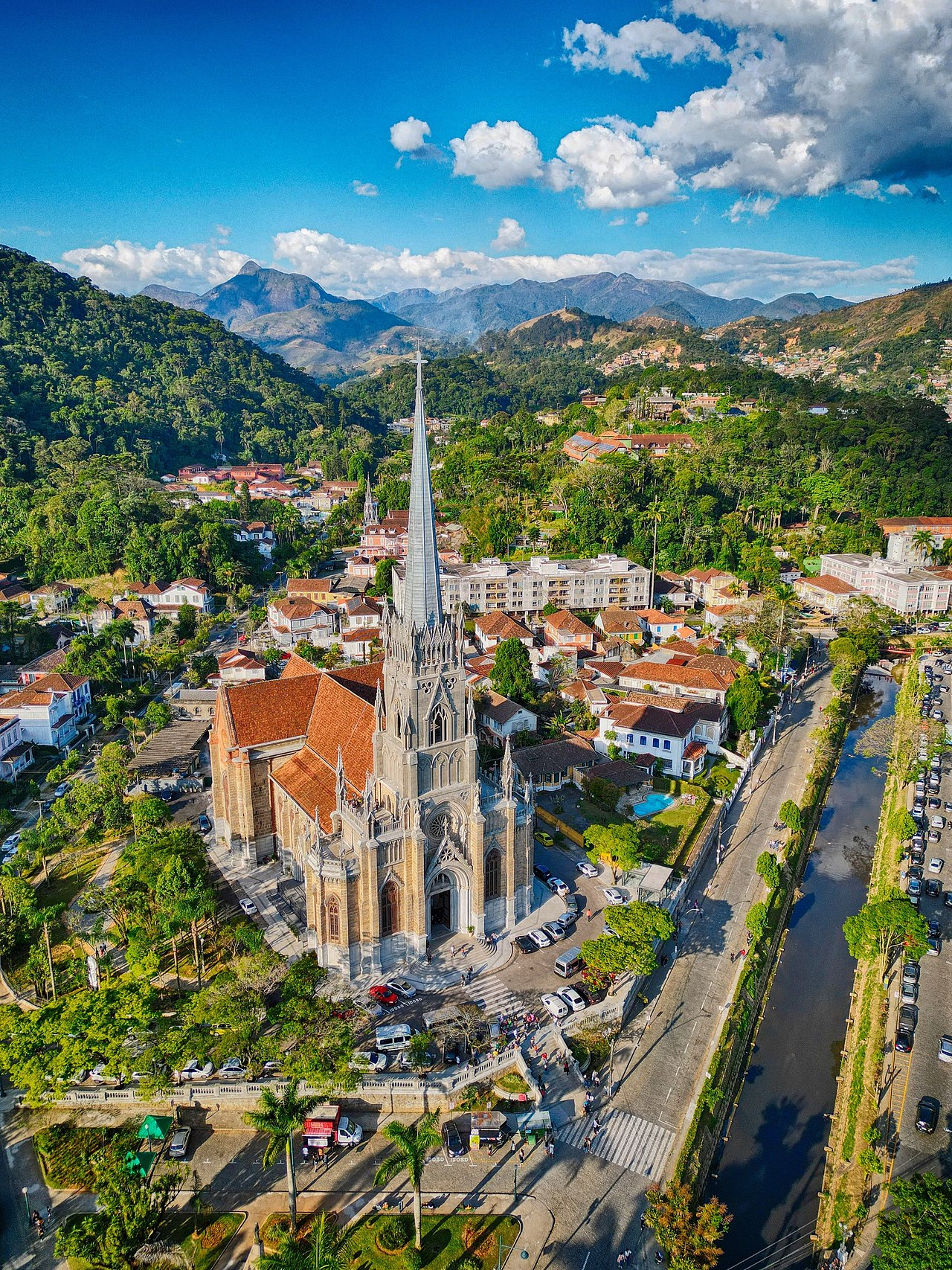
Set in the Serra dos Órgãos mountain range, Petrópolis stands at roughly 800–900 meters above sea level, which gives it a temperate climate relative to the nearby coast. The surrounding landscape includes steep valleys, forested slopes and protected areas; visitors often use the city as a gateway to the nearby national park and mountain trails regional park.
History
The town originated in the mid-19th century as a summer residence and retreat associated with Emperor Pedro II, who favored the area for its mild weather. It later expanded with European immigration and investments, becoming known as the "Imperial City" for its royal connections and 19th-century neighborhoods. Context on the state's role is available through the Rio de Janeiro state resources state information.
Culture and economy
Petrópolis preserves many examples of 19th- and early 20th-century architecture, which supports a heritage tourism sector centered on museums, guided walks and cultural festivals. The local economy combines services, light industry (including brewing and textiles) and tourism. Cultural listings and visitor guidance can be found at regional tourist portals tourism resources.
Notable landmarks
- Imperial Museum (former summer palace of Emperor Pedro II)
- Cathedral of Saint Peter of Alcantara and other historic churches
- Crystal Palace and the Quitandinha Palace complex
- Access points to Serra dos Órgãos National Park and mountain trails
Maps and practical visitor information are frequently provided by local authorities and tourism services maps and guides.
Distinctions and practical notes
Petrópolis is notable for its concentration of well-preserved imperial-era buildings, a distinct cooler microclimate, and its role as both a cultural center and a base for outdoor recreation. Like many mountain towns, it is vulnerable to intense seasonal rains that can cause flooding and landslides; visitors should check current conditions before traveling. Its combination of heritage, natural scenery and accessible infrastructure keeps it among the most visited inland destinations in the region.
Related articles
Author
AlegsaOnline.com Petrópolis — the Imperial Mountain City in Rio de Janeiro State Leandro Alegsa
URL: https://en.alegsaonline.com/art/76237