
Pevensey: village, castle and historic landing in East Sussex
Pevensey is a village and civil parish on the Sussex coast known for its Roman fort, medieval castle and as William the Conqueror’s 1066 landing site; notable for coastal marshes and heritage tourism.
Pevensey is a small village and civil parish in the Wealden district of East Sussex, on the south coast of England. The historic core lies about five miles north‑east of Eastbourne and roughly a mile inland from the shore at Pevensey Bay. The modern parish includes both the inland settlement and the coastal strip known as Pevensey Bay. The locality combines agricultural lowlands, coastal marshes and layered archaeological remains that reflect centuries of change.
Image gallery
5 Images


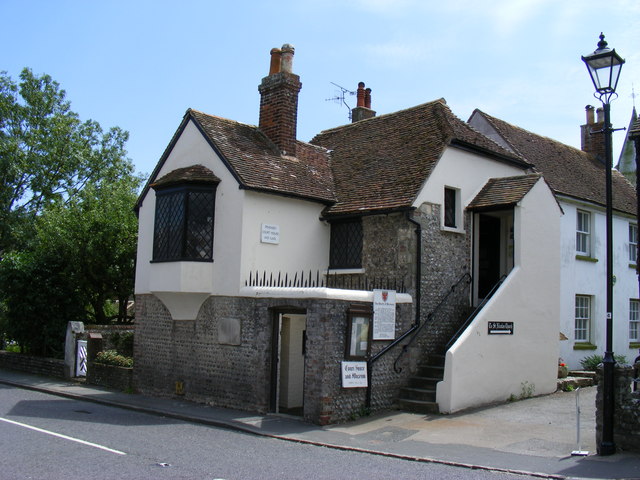
Overview and geography
Pevensey sits at the edge of the Pevensey Levels, a broad area of grazing marsh and ditches that has long been important for wetland wildlife and low‑intensity farming. Historically the coast near Pevensey was more open water; silting and reclamation over centuries altered shorelines and created the present marshes. These lowlands contribute to the parish’s distinctive landscape: flat pastures, reedbeds and creeks separated from the higher ground that contains the village itself.
History and development
The site has been occupied since Roman times. A large late Roman fort, often referred to by its Latin name Anderitum, was built to guard the coast as part of the Saxon Shore system. In the decades after the Norman Conquest the fort’s substantial earthworks and stone were reused: a Norman castle and later medieval fortifications were established within the Roman circuit, producing the striking compound of Roman walls and medieval castle ruins visible today.
1066 and later significance
Pevensey Bay is famous in English history as the place where William the Conqueror landed in 1066 after crossing the English Channel from Normandy in France. Contemporary accounts and later chroniclers place his landing and initial encampment in this area before his march inland and the decisive campaign that followed. The Norman arrival transformed local governance and architecture, and the castle at Pevensey became a strategic royal stronghold in subsequent centuries.
Landmarks, conservation and uses
The most prominent landmark is the ruined castle set within Roman walls; it is managed for public access and interpretation and is a focal point for visitors interested in Roman and medieval history. The surrounding Levels are valued for biodiversity and are subject to conservation measures; they support birdlife and traditional grazing. Pevensey today also accommodates small‑scale tourism, local services and community life rooted in the village streets and parish institutions.
Notable facts and distinctions
- Pevensey’s multi‑period fortifications illustrate reuse of Roman military works in the medieval period.
- The coastline near Pevensey has shifted markedly since antiquity, changing the relationship between settlement and sea.
- The site combines archaeological interest, natural marsh habitats and a long continuity of rural land use, making it important for both heritage and ecology.
Visitors often explore the castle ruins, walk the marsh edges or follow trails that interpret the site’s Roman, Norman and later history. Local museums and information points offer further context for Pevensey’s place in the wider story of the English coastline and national history.
Questions and answers
Q: Where is Pevensey located?
A: Pevensey is located in the Wealden district of East Sussex, England.
Q: How far is Pevensey from Eastbourne?
A: Pevensey is located 5 miles (8 km) north-east of Eastbourne.
Q: What is Pevensey Bay?
A: Pevensey Bay is a settlement that forms part of the Pevensey parish.
Q: What historical event happened in Pevensey?
A: Pevensey is where William the Conqueror first landed and invaded England in 1066 after crossing the English Channel from Normandy, France.
Q: When did William the Conqueror land in Pevensey?
A: William the Conqueror landed in Pevensey in 1066.
Q: Where did William the Conqueror come from when he landed in Pevensey?
A: William the Conqueror came from Normandy, France when he landed in Pevensey.
Q: How far is Pevensey from Pevensey Bay?
A: Pevensey Bay is located one mile (1.6 km) inland from Pevensey.
Related articles
Author
AlegsaOnline.com Pevensey: village, castle and historic landing in East Sussex Leandro Alegsa
URL: https://en.alegsaonline.com/art/76266
Sources
- pevenseyparishcouncil.gov.uk : Pevensey Parish Council
- english-heritage.org.uk : Pevensey Castle: English Heritage site