
Rio de Janeiro (state, Brazil)
Brazilian state in the Southeast region; coastal, mountainous, and highly urbanized. Capital: Rio de Janeiro. Economy: services, industry, oil and tourism. Area: 43,653 km².
Overview
Rio de Janeiro is a state in the Southeast Region of Brazil, known for its long Atlantic coastline, mountainous interior and a densely populated metropolitan area centered on its capital, the city of Rio de Janeiro. The state covers an area of about 43,653 square kilometres and combines large urban centers with protected coastal islands, bays and forested highlands.
Image gallery
10 Images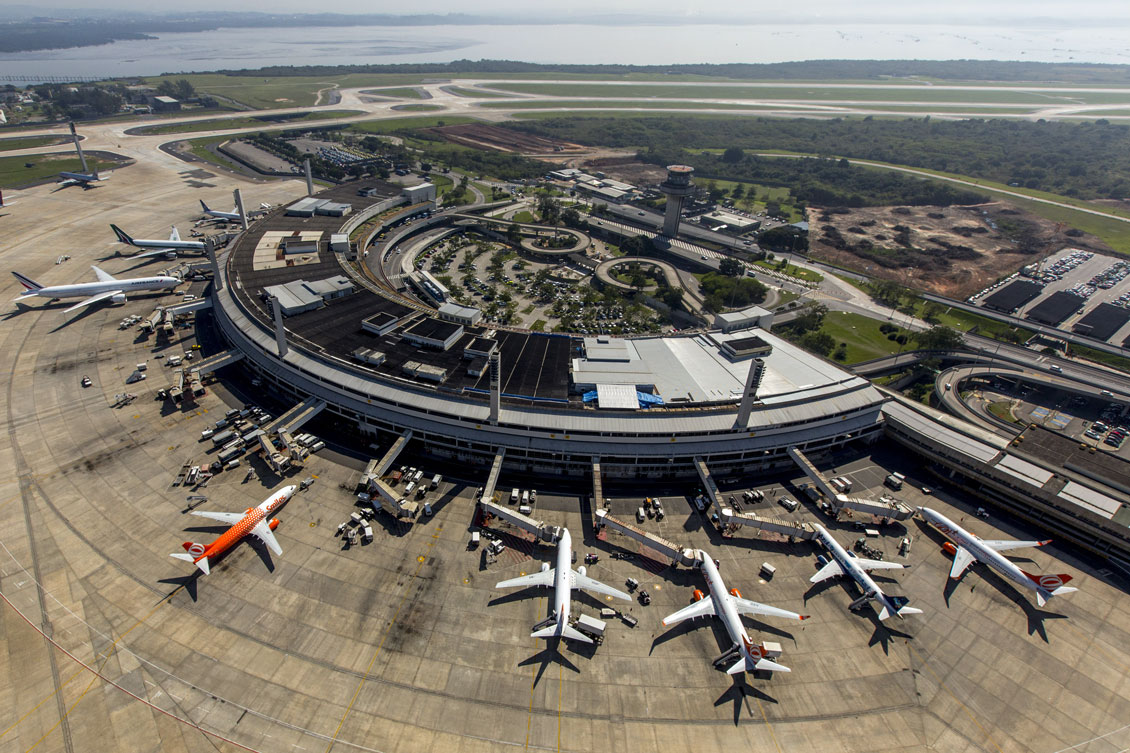


Geography and environment
The state borders the inland states of Minas Gerais, Espírito Santo and São Paulo, and opens to the Atlantic Ocean along a varied coastline of bays, beaches and islands. Terrain ranges from low coastal plains and the extensive Guanabara Bay area to the Serra do Mar and other ranges that rise sharply from the shore. Major waterways include the Guandu, Paraíba do Sul and smaller rivers that drain the interior. The climate is broadly tropical in lowlands with milder conditions at higher elevations, and many protected areas conserve remnants of the Atlantic Forest.
Cities and population
The state's largest urban center is its capital city, linked to a conurbation of suburbs and satellite cities. Important municipalities include Nova Iguaçu, Niterói, Duque de Caxias, Petrópolis, São Gonçalo, São João de Meriti, Campos dos Goytacazes and Volta Redonda. These cities form varied economic and residential zones: dense metropolitan neighborhoods, industrial towns and agricultural or coastal communities.
History and administration
The territory now forming the state grew in importance during the colonial and imperial eras as a major port and administrative center for southeastern Brazil. Over time its capital city became internationally known, playing a central role in national politics and culture. Today the state is organized into multiple municipalities and is governed by elected executive and legislative branches that manage urban planning, transportation and environmental protection across both metropolitan and rural areas.
Economy and infrastructure
Economic activity is diverse: a large services sector—finance, tourism and commerce—dominates the metropolitan economy, while industry and manufacturing remain strong in places such as Volta Redonda. Offshore oil and gas production in nearby basins supports energy-related activity, and the state hosts important ports and transport links. Agriculture is limited compared with more interior states but includes coastal fisheries and regionally important crops. Infrastructure challenges include traffic congestion in the metro region and balancing development with conservation.
Culture, tourism and notable facts
Culture in the state is nationally influential: music, festivals and sports centered in the capital have wide recognition. Tourism is concentrated on beaches, historic towns, islands and scenic mountain escapes. The state is relatively small in area compared with many Brazilian states but is one of the most urbanized and economically prominent. For maps, official information and travel guidance consult regional resources and municipal pages, for example: state overview, climate guide, and local portals such as Petrópolis or metropolitan information pages like Espírito Santo adjacency and São Paulo corridor.
Lists: key facts at a glance
- Capital: Rio de Janeiro
- Area: 43,653 km²
- Borders: Minas Gerais, Espírito Santo, São Paulo, Atlantic Ocean
- Major rivers: Guandu, Paraíba do Sul, Piraí, Macaé, Muriaé
- Representative cities: Nova Iguaçu, Niterói, Duque de Caxias, Petrópolis
For further reading and official references use municipal portals and state agencies accessible through regional links and tourism offices: information hub, climate and environment, and metropolitan resources at the capital's portal.
Questions and answers
Q: What is Rio de Janeiro?
A: Rio de Janeiro is a state in Brazil.
Q: What is the capital of Rio de Janeiro?
A: The capital of Rio de Janeiro is the city of Rio de Janeiro.
Q: Which region of Brazil is Rio de Janeiro in?
A: Rio de Janeiro is in the Southeast Region of Brazil.
Q: Which states share borders with Rio de Janeiro?
A: Rio de Janeiro shares borders with Minas Gerais, Espírito Santo, and São Paulo.
Q: What is the area of Rio de Janeiro?
A: The area of Rio de Janeiro is 43,653 square kilometers (16,855 sq mi).
Q: What are some of the largest cities in Rio de Janeiro?
A: Some of the largest cities in Rio de Janeiro are Rio de Janeiro, Nova Iguaçu, Niterói, Duque de Caxias, São Gonçalo, São João de Meriti, Campos dos Goytacazes, Petrópolis, and Volta Redonda.
Q: What are some of the main rivers in Rio de Janeiro?
A: Some of the main rivers in Rio de Janeiro are the Guandu River, the Piraí, the Paraíba do Sul, the Macaé, and the Muriaé.
Related articles
Author
AlegsaOnline.com Rio de Janeiro (state, Brazil) Leandro Alegsa
URL: https://en.alegsaonline.com/art/82994
Sources
- ceperj.rj.gov.br : "Produto Interno Bruto do Estado do Rio de Janeiro"
- atlasbrasil.org.br : atlasbrasil.org.br