
Automotive industry: history, structure, and modern trends
Overview of the automotive industry covering its components, historical development, economic role, modern shifts (electrification, automation), and notable global changes.
The automotive industry encompasses the design, manufacture, marketing and sale of motor vehicles and their components. It combines engineering, large-scale manufacturing, supply-chain logistics, retail and after-sales services. Firms range from global original equipment manufacturers to specialized suppliers and independent dealerships. The sector is a major economic employer and contributes to trade, technology and infrastructure.
Image gallery
8 Images


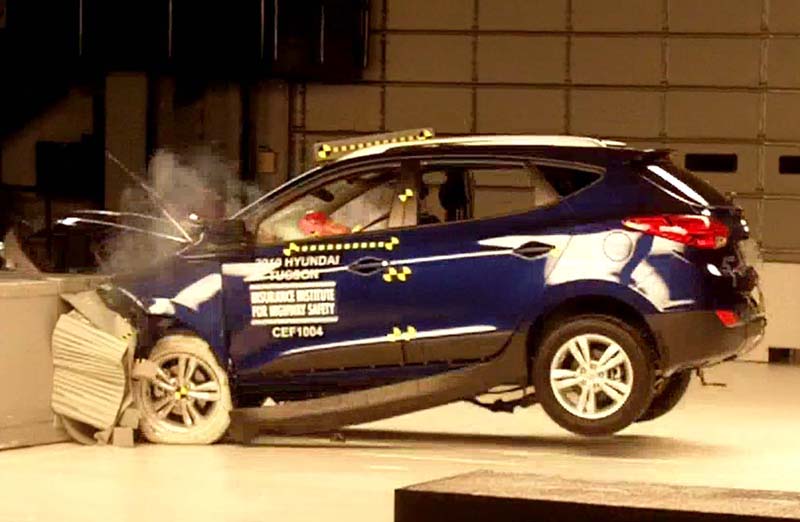

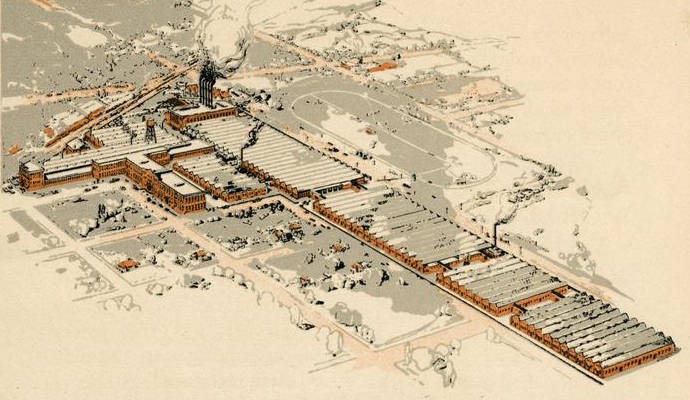
Characteristics and key components
Core activities include conceptual design, component engineering, prototyping, stamping and assembly, powertrain development, and distribution. Aftermarket services—maintenance, parts and secondhand sales—form an important revenue stream. Many automakers coordinate extensive supplier networks for electronics, software and materials. Typical vehicle subsystems are chassis, body, interior, propulsion (internal combustion engines or electric motors), and safety/infotainment systems.
History and development
The modern automotive era began in the late 19th century when inventors and entrepreneurs built early horseless carriages. Mass production techniques and the moving assembly line made vehicles widely affordable; an influential early model was the Ford Model T. For much of the 20th century the United States was the dominant producer. Global shifts followed economic cycles such as the Great Depression and the postwar boom. From the 1960s, manufacturers in Japan gained prominence for efficient production and export success. In the 21st century, production leadership moved as China expanded domestic manufacturing and sales.
Uses, importance and impacts
Automobiles enable personal mobility, logistics and commerce; they shape city design, trade routes and energy demand. The industry drives innovation in materials, engines, electronics and software. It also raises environmental and safety concerns—air pollution, greenhouse gas emissions and traffic fatalities—which have led to regulation, safety standards and emissions testing programs in many countries.
Modern trends and examples
Recent decades have seen several transformative trends: electrification (battery-electric vehicles and hybrids), advanced driver-assistance and automated driving systems, connectivity and software-defined features, and new business models such as mobility-as-a-service. Major global manufacturers and groups pursue these changes alongside specialized suppliers and startups. Competitive dynamics now combine traditional automakers, technology firms and new entrants.
Notable distinctions and the outlook
The industry varies regionally by market preferences, regulatory regimes and infrastructure. Mature markets emphasize emissions control, safety and vehicle longevity; emerging markets focus on affordability and expanding road networks. Future developments will depend on battery technology, charging infrastructure, regulation, and consumer acceptance of autonomous features. The automotive sector will continue to be central to industrial policy, employment and technological progress worldwide.
For more on design, sales and market data see related resources: design, marketing, and wider economic context analysis. Historical milestones and regional studies cite developments in the early industry and shifts from the U.S. to the United States, Japan and China, with reference points such as the Ford Model T and periods like the Great Depression.
Related articles
Author
AlegsaOnline.com Automotive industry: history, structure, and modern trends Leandro Alegsa
URL: https://en.alegsaonline.com/art/7622
Sources
- books.google.com : "U.S. Makes Ninety Percent of World's Automobiles"
- oica.net : "Production Statistics"