
Automotive lighting systems
Comprehensive overview of vehicle lighting: purpose, main components, technological development, safety and regulatory aspects, typical uses and notable variants such as adaptive and emergency lighting.
Overview
Automotive lighting refers to the set of lamps and signalling equipment fitted to road vehicles to illuminate the path ahead and to make the vehicle visible to others. These systems serve two principal purposes: to light the roadway for the driver and to communicate the vehicle's presence, position and intentions to other road users. Good lighting reduces accident risk in low-light conditions, adverse weather and complex traffic situations.
Image gallery
10 Images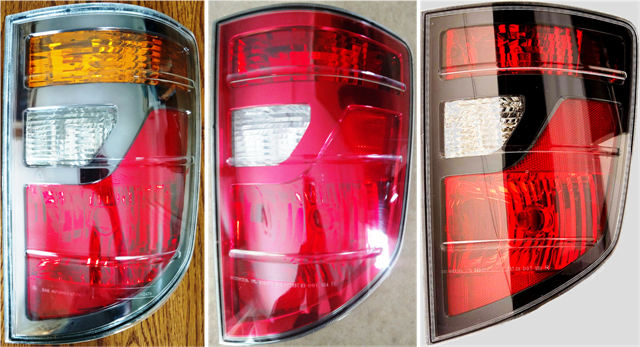


Major components and functions
Typical elements of a vehicle lighting system include:
- Headlights: provide forward illumination with selectable low (dipped) and high (main) beams.
- Daytime running lights (DRLs): increase visibility in daylight.
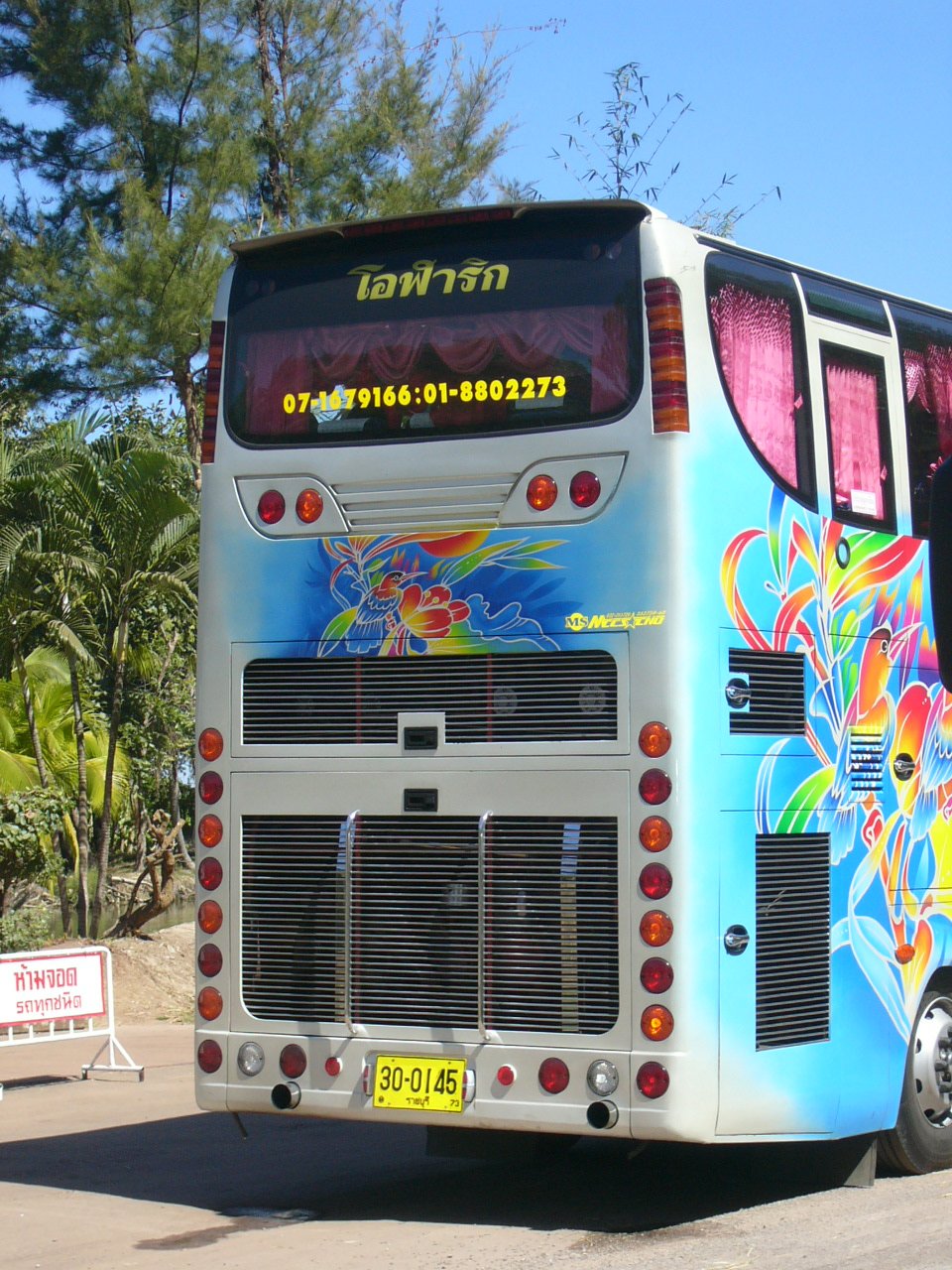
- Tail and brake lights: mark the rear of the vehicle and indicate slowing or stopping.
- Turn signals and hazard lights: show planned changes of direction or warn of danger.
- Fog lights and cornering lights: improve visibility in fog or when turning.
- Reverse lights: illuminate the area behind and warn others that the vehicle is backing up.
Technology and development
Lighting technology has evolved from early oil and carbide lamps to electric bulbs and then to more advanced sources. Incandescent and halogen bulbs were once standard; later developments introduced high-intensity discharge (HID) lamps and, more recently, light-emitting diodes (LEDs) and adaptable arrays. Modern systems can include matrix or adaptive LED setups that modify beam patterns to avoid dazzling oncoming drivers while maintaining illumination of the road ahead.
Regulation, safety and special use
Vehicle lighting is governed by standards that define color, intensity, aiming and permitted locations to ensure mutual predictability and safety. The lighting system also enhances visibility for other road users and gives warnings to pedestrians. Emergency and service vehicles use distinctive flashing and colored lights to signal priority or danger.
Practical considerations
Proper maintenance—regular cleaning, correct aiming and timely replacement of failed units—is essential for effective performance. Designers balance glare, energy use and aesthetic factors, and innovations continue to improve efficiency and adaptive capability. For more technical or regulatory information see general resources on lighting devices.
Questions and answers
Q: What does the lighting system of a motor vehicle consist of?
A: The lighting system of a motor vehicle consists of lighting and signalling devices mounted on the front, rear, sides, and in some cases on the top of a motor vehicle.
Q: What is the purpose of the lighting system in a motor vehicle?
A: The lighting system of a motor vehicle lights the roadway for the driver, makes the vehicle more visible, gives warning to other drivers and pedestrians of a vehicle's presence and direction of travel.
Q: In which conditions does the lighting system make the vehicle more visible?
A: The lighting system makes the vehicle more visible especially in low light conditions.
Q: Which type of vehicles usually carry distinctive lighting equipment to alert drivers and pedestrians?
A: Emergency vehicles usually carry distinctive lighting equipment to alert drivers and pedestrians.
Q: What is the purpose of the distinctive lighting equipment carried by emergency vehicles?
A: The distinctive lighting equipment carried by emergency vehicles alerts drivers and pedestrians of their rapid movement during an emergency.
Q: Where are the signaling devices mounted in a motor vehicle?
A: The signaling devices are mounted on the front, rear, sides, and in some cases on the top of a motor vehicle.
Q: How does the lighting system benefit the driver of a motor vehicle?
A: The lighting system of a motor vehicle lights the roadway for the driver, making it easier and safer to navigate, especially in low light conditions.
Related articles
Author
AlegsaOnline.com Automotive lighting systems Leandro Alegsa
URL: https://en.alegsaonline.com/art/7623
Sources
- carid.com : "A Brief History Of Sealed Beam Headlamps In The U.S."
- mto.gov.on.ca : "Overdriving your headlights"
- ebay.com : "What's the Difference Between Driving Lights and Fog Lights?"