
Autodidact: Self-directed learning and its history, methods, and significance
An autodidact is a person who acquires knowledge or skills independently. This article explains methods, history, notable examples, benefits and limits, and practical guidance for self-education.
An autodidact is someone who deliberately acquires knowledge or skill outside formal schooling. Self-education can be solitary or social, structured or exploratory, and often combines reading, observation, practice and mentorship. Autodidacts may pursue a defined curriculum they design themselves or follow project-based learning driven by curiosity or practical need. In many languages the term "autodidact" emphasizes the initiative of learning by oneself rather than through institutional instruction.
Image gallery
5 Images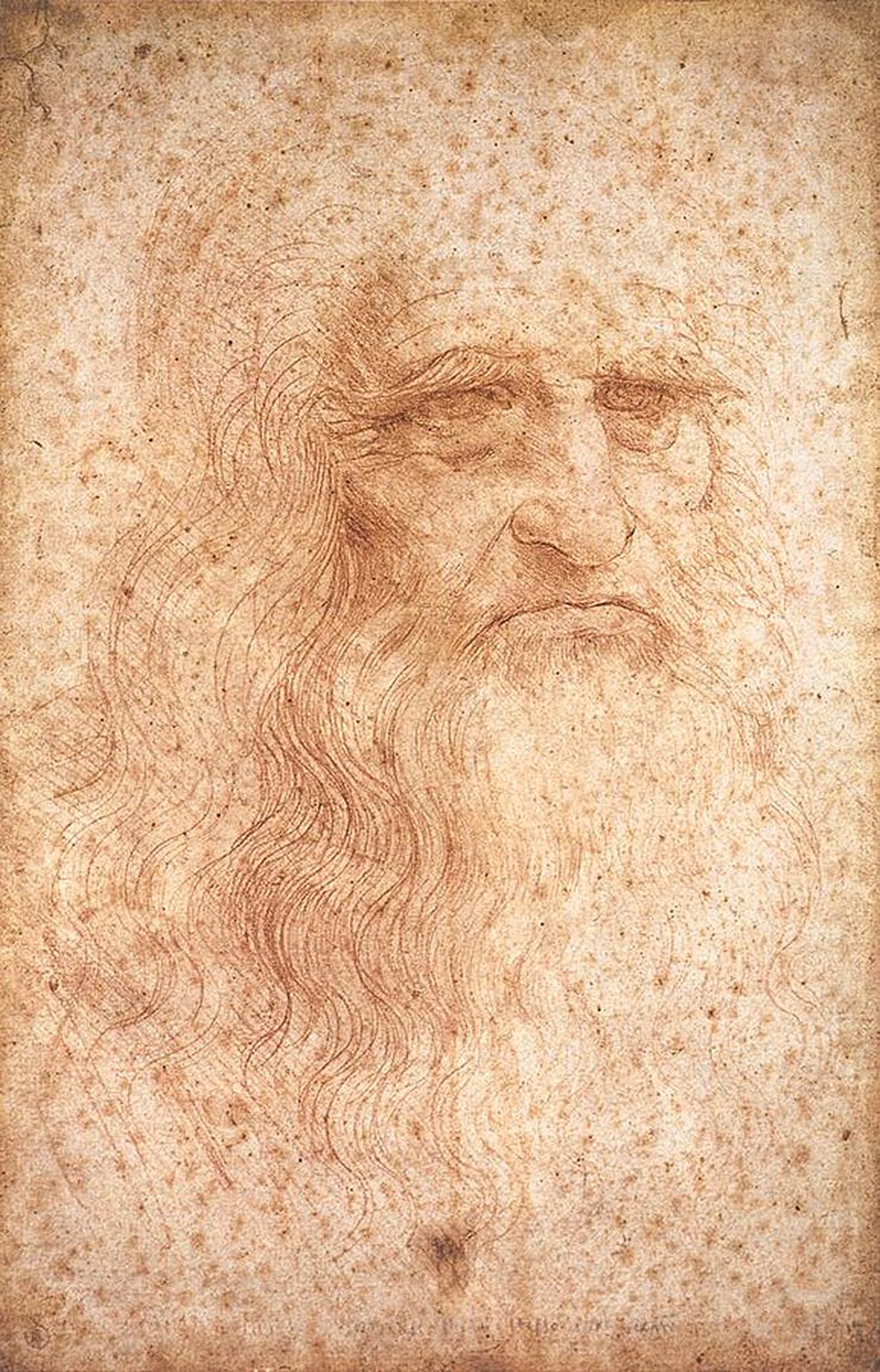


Characteristics and common methods
Autodidactic learning typically relies on a mix of resources and strategies. Common approaches include reading primary and secondary texts, learning by doing through experiments or hands-on projects, imitating skilled practitioners, and seeking feedback from peers or mentors. Modern self-learners often combine printed books with digital materials, online courses and communities. Examples of methods: deliberate practice, problem-based learning, note-taking, spaced repetition and building portfolios of work to demonstrate competence.
History and notable examples
Throughout history many well-known figures educated themselves when formal schooling was limited or unavailable in their field. Inventors and natural philosophers of the 17th–19th centuries frequently learned through apprenticeship, journals and experimental work. Historical examples often cited include Leonardo da Vinci, who studied anatomy and engineering largely through direct observation; Michael Faraday, who advanced in experimental science despite limited formal education; Charles Darwin, who developed his ideas through self-directed reading and extensive observation; and James Watt, who combined practical craft skills with independent study. Other prominent self-educated figures include inventors, writers and political leaders who supplemented or replaced formal schooling with independent study.
Uses, importance and modern context
Autodidacticism remains important today. The rapid expansion of freely available information, online courses and open educational resources has made self-teaching more practical and visible. People pursue self-directed learning to change careers, deepen a hobby, prepare for exams, or innovate in fields where traditional programs may lag. Employers increasingly value demonstrable skills, projects and portfolios that autodidacts often produce. Nevertheless, formal credentials still matter in many professions, so autodidacts frequently combine self-study with certifications or guided training.
Benefits, limitations and distinctions
- Benefits: flexibility, customization, cost control, motivation-driven progress and often faster adaptation to new fields.
- Limitations: uneven scope, potential gaps in foundational theory, lack of formal credentialing, and the need for discipline and reliable feedback.
- Distinctions: Autodidactism overlaps with "self-directed learning," informal learning and lifelong learning; the differences are mostly emphasis—autodidact stresses independent initiative, while formal terms may imply structured planning or institutional recognition.
Practical advice and resources
Successful self-learners set clear goals, break topics into manageable units, use diverse sources, and seek critique. Recommended practices include keeping a reading list, building small projects, joining study groups, and documenting progress publicly. Commonly used resources include textbooks and guides (books), online articles and tutorials (articles), historical case studies (biographical materials) and organized courses for targeted skills. For further background on individual examples and their methods see the linked references to notable figures: Leonardo, Faraday, Darwin and James Watt.
Whether pursued informally or alongside formal education, autodidacticism is a versatile approach that has shaped scientific discovery, artistic innovation and personal advancement. Careful planning, reliable resources and external feedback help convert independent curiosity into lasting competence.
Related articles
Author
AlegsaOnline.com Autodidact: Self-directed learning and its history, methods, and significance Leandro Alegsa
URL: https://en.alegsaonline.com/art/7598