
James Watt: inventor, engineer and developer of the modern steam engine
Scottish instrument maker and engineer whose improvements to the steam engine boosted industrial power and efficiency; the SI unit 'watt' honors his influence.
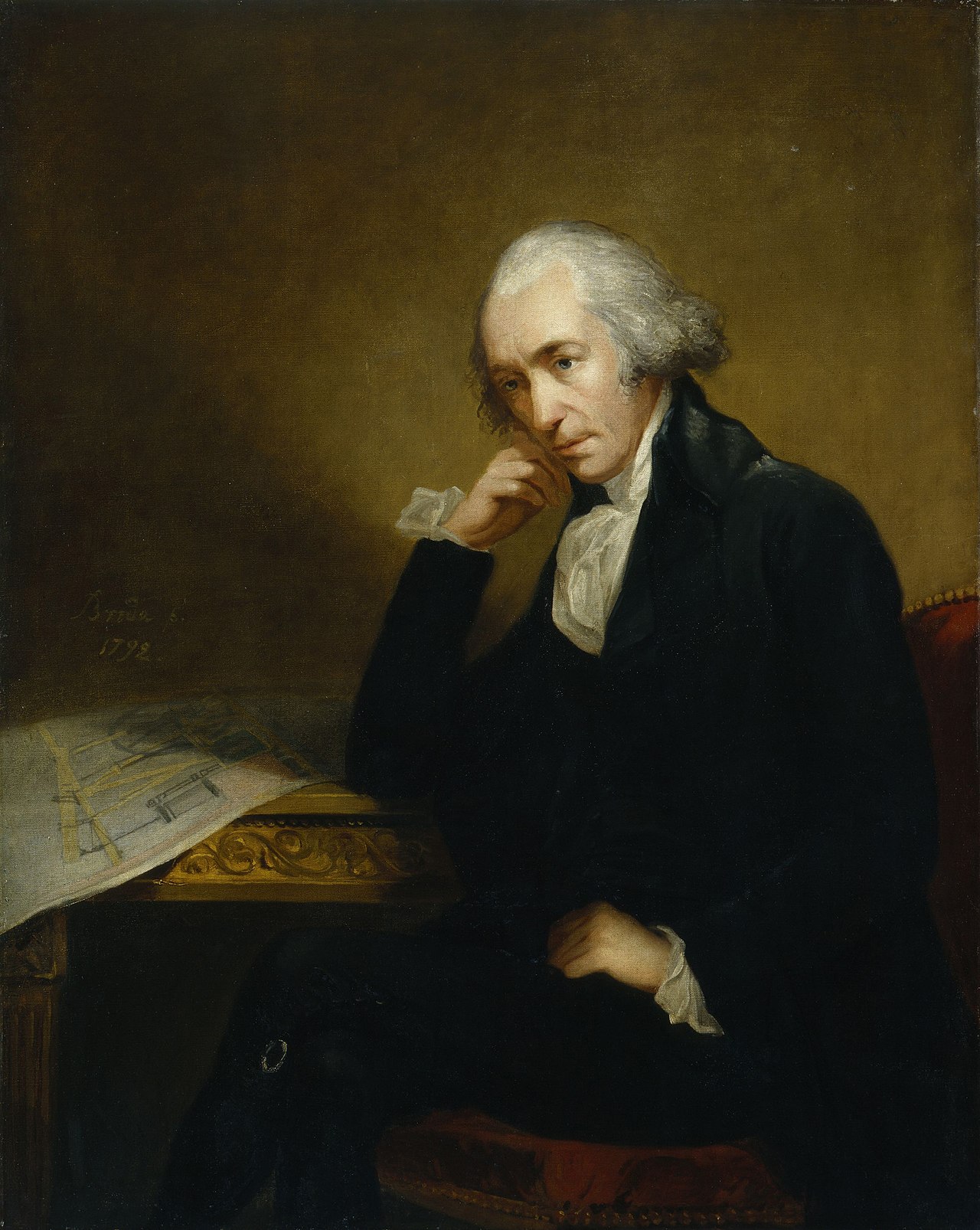
James Watt (19 January 1736 – 19 August 1819) was a Scottish mathematician, an accomplished instrument maker, and an inventive engineer. Working in the latter half of the 18th century, Watt transformed existing steam technology so it became practical, economical and widely useful in factories and mines. His name is now attached to the SI unit of power, the watt, a tribute to his lasting technical and economic influence.
When Watt began his work there were already functioning devices for using steam to lift water and perform simple tasks. Earlier machines, such as those developed by Thomas Savery and Thomas Newcomen, are often grouped under the term steam engine. Watt never claimed to have invented steam power itself; rather, he analysed its limitations and made targeted refinements that greatly improved fuel efficiency and continuous operation.
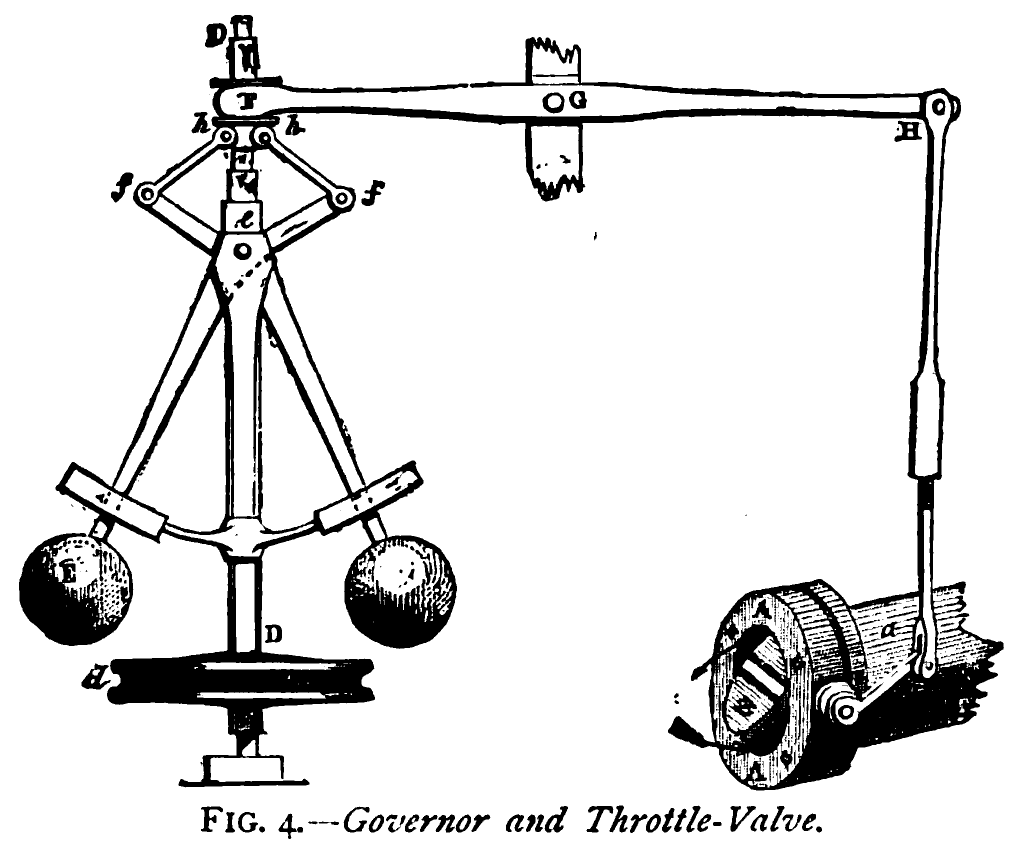
Watt’s most important technical advance was the separate condenser: by condensing steam in a separate chamber instead of inside the main cylinder, the engine avoided repeated heating and cooling of the working cylinder and saved substantial amounts of fuel. He and his collaborators also developed devices to produce rotary motion from the engine’s reciprocating piston, allowing steam power to run mills, pumps and factory machinery. Other refinements attributed to him or his works include the double-acting cylinder, the parallel motion linkage that guided the piston rod, and practical methods for measuring and marketing output—Watt popularised the concept of "horsepower" to explain an engine’s capacity.
Image gallery
10 Images





Partnership, patents and deployment
To manufacture and sell his engines Watt entered a long-running business partnership with Matthew Boulton; their firm, Boulton & Watt, became a major supplier of stationary steam engines across Britain and beyond. Watt secured patents for key elements of his design and, with Boulton, managed licensing and manufacturing. Those business arrangements helped spread the technology but also concentrated control of the most efficient designs in a single firm while the basic idea continued to evolve elsewhere.
The practical effect of Watt’s improvements was wide: engines became cheaper to run and adaptable to many industrial tasks. They replaced waterwheels and horses in many situations, making factories less dependent on location and more productive. Although Watt’s low-pressure designs were generally stationary, they laid the technical and economic foundations that later inventors built on for locomotion and marine propulsion using high-pressure steam.
Legacy and notable facts
- Watt’s improvements helped accelerate the Industrial Revolution by improving energy efficiency and enabling mechanised industry.
- His name is commemorated in the metric unit of power, the watt, widely used in science and engineering.
- Beyond engines, Watt worked on practical devices such as copying presses and made improvements to scientific instruments at a time when precision craftsmanship mattered for research and trade.
- Boulton & Watt’s business model combined engineering development with manufacture and sales, an early example of industrial innovation spreading through organised enterprise.
James Watt’s career illustrates how focused redesign and system-level thinking can convert an existing invention into a broadly transformative technology. His mechanical insights, commercial activity and the firms that manufactured his designs together helped change energy use in the 18th and 19th centuries and left a technical vocabulary—"watt" and "horsepower"—that still frames discussions of power and performance today.
Questions and answers
Q: Who is James Watt?
A: James Watt was a Scottish mathematician and engineer famous for his contribution in the development of the modern form of the steam engine.
Q: Did James Watt invent the first steam engine?
A: No, James Watt did not invent the first steam engine.
Q: What was James Watt's contribution to the development of the steam engine?
A: James Watt's major contribution to the development of the steam engine was modifying it to work better and developing the modern form of the steam engine.
Q: Which steam engines were in use before James Watt started his work on them?
A: Other patented steam engines, such as the Savery and Newcomen steam engines, were in use before James Watt started his work on modifying them.
Q: What is James Watt credited for?
A: James Watt is credited for driving the Industrial Revolution of the 18th and 19th centuries with the Watt steam engine.
Q: How did James Watt transform the Newcomen engine?
A: James Watt transformed the Newcomen engine by adding a separate condenser, reducing energy waste and making the steam engine more efficient.
Q: What honors James Watt?
A: Most people honor James Watt by naming a unit of power, the watt, after him.
Related articles
Author
AlegsaOnline.com James Watt: inventor, engineer and developer of the modern steam engine Leandro Alegsa
URL: https://en.alegsaonline.com/art/49297
Sources
- wikidata.org : wikidata.org/wiki/Q9041
- authority.bibsys.no : 8035201
- catalogo.bne.es : XX4615193
- catalogue.bnf.fr : cb12846832x
- data.bnf.fr : (data)
- cantic.bnc.cat : a1131137x
- d-nb.info : 118629484
- isni.org : 0000 0001 2123 8286
- id.loc.gov : n50034930
- aleph.nkp.cz : mzk2003202321
- nla.gov.au : 35594482
- uli.nli.org.il : 000408395
- data.bibliotheken.nl : 068411499
- snaccooperative.org : w6474h8s
- idref.fr : 07472620X