
Peer review: process, models, history, and role in scholarly publishing
Peer review is the practice of evaluation by subject experts to assess quality, accuracy, and relevance before work is disseminated. It underpins academic publishing, clinical practice, engineering approvals, and policy review.
Overview
Peer review is a quality-control system in which work is evaluated by one or more people with expertise in the same field as the author. The term most commonly appears in the context of scholarly publishing, but the method is also used in professional certification, grant adjudication, regulatory approvals, and some internal government or industry assessments. The essential goal is to identify errors, weaknesses, or ethical issues and to advise improvements before wider release.
Image gallery
1 Image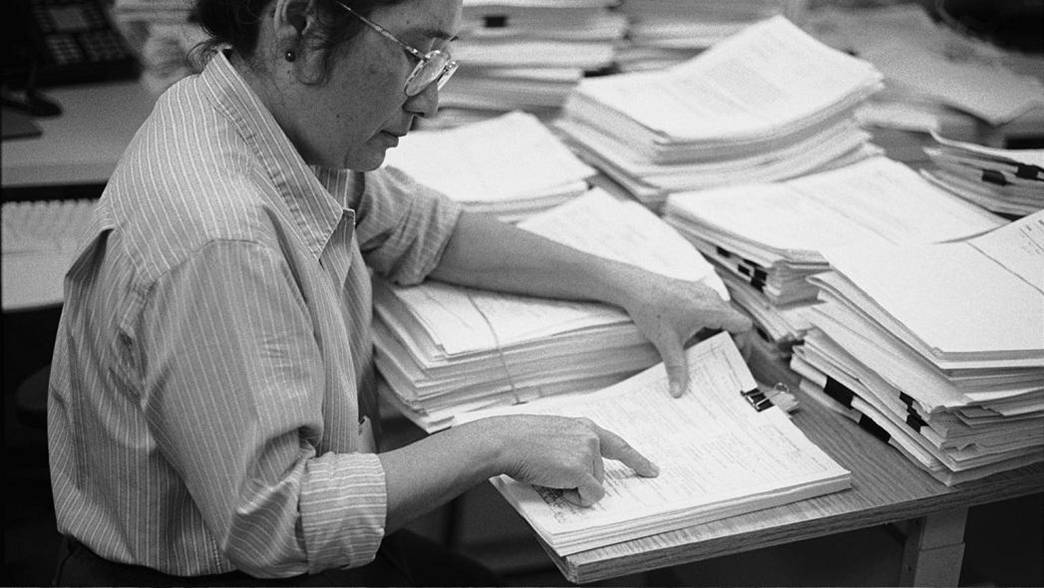
Core elements and typical stages
Although implementations vary, a typical peer review for a manuscript or report follows a sequence of stages:
- Submission: the author sends work to a publisher, editor, or convening body.
- Selection of reviewers: experts in the subject area are invited or assigned to assess the submission.
- Evaluation: reviewers examine the methods, data, reasoning, and presentation, and note strengths and flaws.
- Decision and revision: based on reviewers' reports the editor requests revision, accepts, or rejects the work.
- Publication or archival: accepted work is published or otherwise made available, sometimes with reviewer comments.
Common models
Different review models reflect different priorities of transparency, fairness, and efficiency. Common approaches include:
- Single-blind: reviewers know the authors' identities, but authors do not know reviewers'.
- Double-blind: neither authors nor reviewers are identified to one another to reduce bias.
- Open review: identities of authors and reviewers are known and reports may be published.
- Post-publication review: work is released and later commented on by the community.
History and development
The formalization of peer review occurred gradually alongside the rise of modern scientific journals from the 17th century onwards, gaining broader institutional adoption in the 19th and 20th centuries. Over time, practices evolved in response to pressures such as expanding research output, the need for reproducibility, commercial publishing, and digital communication. Recent decades have seen experiments with open and post-publication models, attempts to recognize reviewer contributions, and initiatives to improve transparency and reduce misconduct.
Purposes, benefits, and limitations
Peer review aims to improve accuracy, filter unreliable claims, and provide authors with expert feedback. It helps readers and funders judge credibility and informs editorial decisions. However, peer review is not infallible: it can be slow, subject to human error and bias, and sometimes inconsistent. Critics note issues such as reviewer bottlenecks, limited reproducibility checks, and potential conservatism that can slow novel ideas. Many communities now combine peer review with other safeguards, such as data sharing, preprints, replication studies, and editorial checks.
Practical considerations and notable facts
Becoming a reviewer typically requires experience and recognition in a field; reviewers are expected to declare conflicts of interest and to act ethically. Some journals and organizations credit reviewers or publish review histories. Readers seeking more guidance on submission and review policies can consult publisher or society resources; for example, many journals outline their processes online and provide templates and expectations for reviewers (publisher guidance).
In short, peer review remains a central mechanism for maintaining standards in many professional and academic contexts. It continues to adapt as communities balance the need for rigorous vetting with demands for speed, openness, and reproducibility.
Related articles
Author
AlegsaOnline.com Peer review: process, models, history, and role in scholarly publishing Leandro Alegsa
URL: https://en.alegsaonline.com/art/75447