
Payphone (song)
“Payphone” is a 2012 single by Maroon 5 featuring Wiz Khalifa. A pop‑rock pop single about breakups and regret, it led the band’s Overexposed album and became one of their major international hits.
Payphone is a 2012 single performed by American pop rock Maroon 5. Released in mid‑April 2012 by A&M/Octone Records, it served as the lead single from the band’s fourth studio album, Overexposed. The track features a guest verse by rapper Wiz Khalifa and lists contributions from producer‑songwriter Benny Blanco alongside band members including lead singer Adam Levine and guitarist James Valentine. Recording sessions for the song took place in studios in southern Hollywood and Los Angeles, California, and the single was promoted extensively on radio and television.
Image gallery
5 Images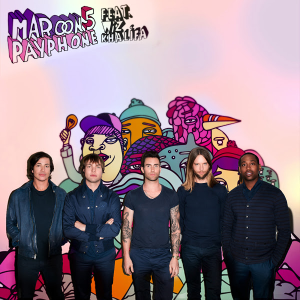


Background
The concept of the song uses the everyday image of a payphone as a concise metaphor for missed communication and regret after a relationship ends. Musically it blends pop‑rock songwriting with modern, radio‑oriented production and a short hip‑hop cameo; this combination contributed to its broad appeal across pop and contemporary formats. The track was issued as the band’s lead launch for their then‑upcoming album and formed a focal point of the album’s public campaign.
Composition and lyrics
“Payphone” centers on a memorable melodic hook and a singable chorus that emphasizes longing and frustration. The arrangement pairs guitar‑based pop‑rock elements with programmed beats and keyboard textures to give a polished, mainstream sound. Lyrically the verses describe small, specific details of a breakup while the chorus expands to a more universal feeling of wishing for a different outcome. The guest verse provides a contrasting, spoken‑rhythmic perspective that punctuates the main narrative.
Release and reception
On release the single attracted heavy radio airplay and rapid digital sales, becoming one of Maroon 5’s most commercially prominent songs of the period. Reviews noted the track’s strong pop craftsmanship and its effective melding of genres, though some critics commented on the band’s increasingly pop‑oriented direction. The song’s accessible chorus and radio‑friendly production helped it reach wide audiences worldwide.
Music video and promotion
The official music video presents a cinematic story that matches the song’s emotional tone and includes a cameo by the featured artist. Maroon 5 performed the single on television programs and award shows and included it in tour set lists, where its anthemic chorus proved popular in concert settings.
Credits and notable facts
- Lead single from Overexposed.
- Features guest artist Wiz Khalifa.
- Written and produced with contributions from Benny Blanco and band members such as Adam Levine.
- Recorded in studios in southern Hollywood, Los Angeles, California.
- Released by A&M/Octone Records and widely promoted across radio and television.
- Associated online and discographic references can be found on pages about Maroon 5 and individual band members; see also the label page above for release details.
- Additional reference: band profile and genre entry at pop rock band overview.
For further reading on the band’s catalog and collaborators, consult the linked artist and album pages above. The song remains a frequently cited example of early 2010s pop production that blended rock songwriting with contemporary pop and hip‑hop elements.
Related articles
Author
AlegsaOnline.com Payphone (song) Leandro Alegsa
URL: https://en.alegsaonline.com/art/75293