
Paulinus of York
Paulinus of York (d. 644) was an early 7th-century missionary and church leader who became the first Bishop of York, later served as Bishop of Rochester, helped convert Northumbria, and was later venerated as a saint.
Overview
Paulinus was an early 7th-century Christian missionary and cleric active in Anglo-Saxon England. He is best known for his role in the conversion of parts of northern England and for being remembered as the first Bishop of York during the reign of King Edwin. Historical accounts record that he died in 644 and that, after his death, he came to be venerated as a saint in some Christian traditions.
Image gallery
4 Images


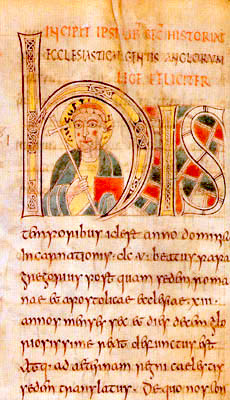
Origins and mission
Paulinus is usually described as coming from the Roman mission that brought Christianity back into Anglo-Saxon England in the late 6th and early 7th centuries. He arrived in the north as part of a diplomatic and religious mission connected with a royal marriage. Sent from Kent, he accompanied Queen Æthelburg when she left the southern kingdom for a marriage alliance with the Northumbrian court and worked as her chaplain and missionary in Northumbria.
Bishopric in York
When the Northumbrian king converted to Christianity, Paulinus was established as a leading ecclesiastical figure and is credited with founding an episcopal see at York. He carried out baptisms and church-building in the region, ministering to both the royal household and to new converts. Contemporary narratives emphasize his pastoral work and his attempts to organize a lasting Christian presence in a kingdom that was often unstable politically.
Flight to Kent and Rochester
Following military reverses and the death of the Northumbrian king, Paulinus withdrew southward for safety. He returned to Kent, where he later took up the episcopal office at Rochester. Although he had been named to a higher metropolitan rank by distant authorities, he left Northumbria before that honor could be received in person; his time in the north nonetheless left a lasting mark.
Legacy and significance
- Role in converting parts of northern England and baptizing a king.
- Founder of an early episcopal see in York and later bishop at Rochester.
- Remembered in ecclesiastical history for missionary work and for later veneration as a saint.
Paulinus’s life illustrates the close ties between marriage diplomacy, missionary activity, and the spread of Christianity in early medieval England. His career is documented in early chronicles and church histories that emphasize both his pastoral achievements and the fragility of early dioceses in a politically turbulent age.
Questions and answers
Q: Who was Paulinus of York?
A: Paulinus of York was the first Bishop of York who was named Archbishop of York by the pope.
Q: When did Paulinus die?
A: Paulinus died in the year 644.
Q: Did Paulinus know that he was named the Archbishop of York by the pope?
A: No, Paulinus had left Northumbria before the news reached him, so he did not know that he was named the Archbishop of York by the pope.
Q: Where did Paulinus become a bishop after leaving Northumbria?
A: Paulinus became the Bishop of Rochester, in Kent, after leaving Northumbria.
Q: How was Paulinus honored after his death?
A: Paulinus was venerated as a saint after his death.
Q: Was Paulinus the first bishop of Rochester as well?
A: It is unclear if Paulinus was the first bishop of Rochester, as no information is given on this matter in the text.
Q: What was Paulinus' full name?
A: The text does not provide information on Paulinus' full name.
Related articles
Author
AlegsaOnline.com Paulinus of York Leandro Alegsa
URL: https://en.alegsaonline.com/art/75222