
Pauline Viardot (1821–1910): Singer, Teacher and Musical Salon-Host
French mezzo-soprano of Spanish descent celebrated for her wide range, dramatic intelligence, compositions and influence on 19th‑century musical life, including support for Saint-Saëns's Samson et Dalila.
Overview
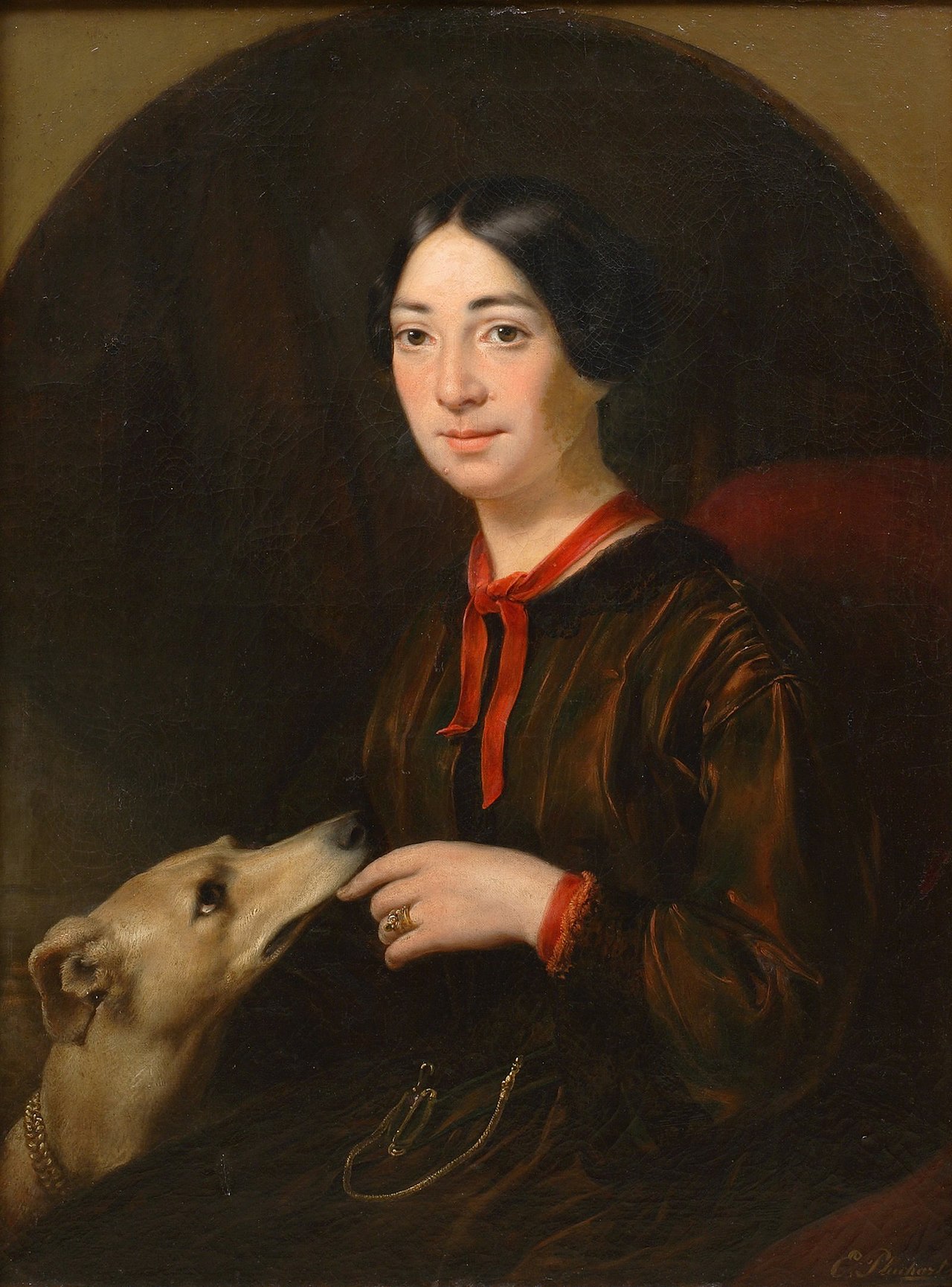
Pauline Viardot (born Pauline García, 1821–1910) was a leading 19th‑century French mezzo‑soprano, composer and teacher. Renowned for the warmth and flexibility of her voice and for her cultured musical judgment, she played a central role in European musical salons and helped shape repertoire and careers across generations.
Image gallery
10 Images




Early life and family
Viardot came from a distinguished musical family. Her father was the celebrated singer and pedagogue Manuel García and her sister, Maria Malibran, was one of the era's most famous dramatic singers. Trained in a tradition of rigorous vocal technique, Pauline developed a combination of technical control and expressive nuance that allowed her to sing both mezzo and some soprano parts.
Career and repertoire
As a performer Viardot was admired for her dramatic insight as much as for virtuosic coloratura or sustained legato. She appeared in major opera houses and in private salons, championing new music as well as earlier works. Her authority and contacts helped bring composers and librettists together; one notable example was her role in encouraging Camille Saint‑Saëns to compose and stage the biblical opera Samson et Dalila.
Composer, teacher and salon host
Beyond singing, Viardot composed songs and pieces intended for the intimate salon setting, and she taught voice to a generation of pupils. Her household and salons became meeting places for composers, writers and intellectuals, fostering creative exchange. She maintained long friendships with leading cultural figures of her time and often influenced programming and performance practice through her judgments.
Legacy and significance
Pauline Viardot is remembered as much for her interpretive artistry and pedagogical influence as for any single role. Her career exemplifies the 19th‑century musician who combined public performance, private instruction and cultural patronage. Contemporary historians and singers study her approach for its blend of technical rigor and expressive freedom.
- Key associations: Manuel García (father), Maria Malibran (sister), Louis Viardot (husband), Camille Saint‑Saëns (collaborator)
- Main contributions: influential mezzo repertoire, salon culture, teaching and composition
Related articles
Author
AlegsaOnline.com Pauline Viardot (1821–1910): Singer, Teacher and Musical Salon-Host Leandro Alegsa
URL: https://en.alegsaonline.com/art/75220