
Pauline epistles
Letters in the New Testament traditionally associated with Paul, their contents, order, authorship questions, major themes, and influence on Christian theology and practice.
The Pauline epistles are a group of letters in the New Testament traditionally associated with the Apostle Paul. They include some of the earliest surviving Christian writings and have shaped important doctrines and church practices within Christianity. These letters were written to congregations and individuals to address theology, moral instruction, pastoral care, and practical problems in first‑century communities.
Image gallery
5 Images
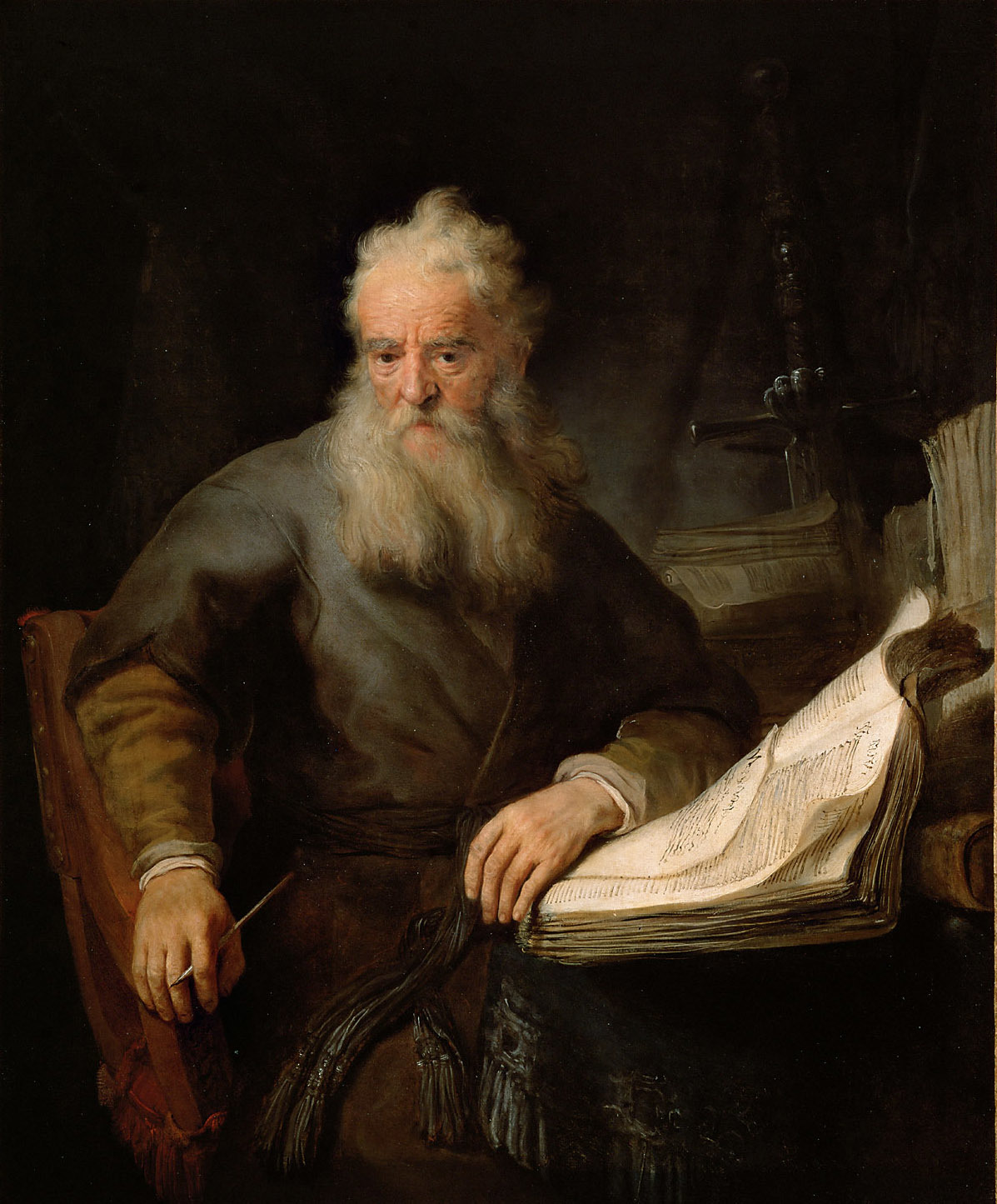


Contents and canonical order
- Romans
- 1 Corinthians
- 2 Corinthians
- Galatians
- Ephesians
- Philippians
- Colossians
- 1 Thessalonians
- 2 Thessalonians
- First Timothy
- Second Timothy
- Titus
- Philemon
- Hebrews (traditionally placed here; authorship disputed)
Among these, 1 Timothy, 2 Timothy and Titus are commonly called the pastoral epistles because they focus on church leadership, organization and the qualifications of ministers. Philemon is a short personal letter about a slave named Onesimus. Hebrews is included in many collections but its authorship and style differ from the other letters and remain debated.
Scholars note stylistic, theological and vocabulary differences across the letters. A core group (for example Romans, 1–2 Corinthians, Galatians, Philippians, 1 Thessalonians, Philemon) is widely agreed to reflect Paul's own hand or immediate circle; other letters (Ephesians, Colossians, the pastorals, Hebrews) are considered by many to be later compositions from Paulinist communities or followers. Dating is generally placed in the mid‑first century for the earliest letters, making them crucial witnesses to early Christian belief and practice.
Themes include justification by faith, the role of the Mosaic law, Christology (the nature and work of Christ), the resurrection, ethical exhortation and instructions for congregational life. Paul's letters combine theological argumentation with personal appeals and practical advice, and they have been central to debates in Christian theology and moral formation (ethics) from the early church to the present.
The Pauline corpus has had lasting influence on liturgy, doctrine and Western thought. They continue to be studied for historical insight into the early church, pastoral guidance for Christian communities, and their rhetorical and theological richness. Readers should note that questions of authorship and date influence how passages are interpreted, so modern study commonly distinguishes between undisputed, disputed and contested Pauline letters.
Questions and answers
Q: How many books make up the Pauline epistles?
A: Fourteen.
Q: Who do most Christians think wrote the Pauline epistles?
A: The Apostle Paul.
Q: Are the Pauline epistles considered to be important by many Christians?
A: Yes, they are considered to be important for theology and ethics.
Q: What are the First Timothy, Second Timothy, and Titus also known as?
A: The pastoral epistles.
Q: Do the Pauline epistles contain beliefs and controversies of Christianity?
A: Yes, they show many of the beliefs and controversies of Christianity.
Q: Are the Pauline epistles some of the earliest Christian documents?
A: Yes, some of them are the earliest Christian documents.
Q: What is the order in which the Pauline epistles appear in the New Testament?
A: The order they appear in the New Testament is not specified.
Related articles
Author
AlegsaOnline.com Pauline epistles Leandro Alegsa
URL: https://en.alegsaonline.com/art/75215
Sources
- newadvent.org : Catholic Encylopedia: Epistles to Timothy and Titus