
Metro Manila — National Capital Region of the Philippines
Metro Manila (Kalakhang Maynila) is the Philippines' National Capital Region: a dense, multi-city urban area that serves as the nation's political, economic, and cultural center.
Overview
Metro Manila, officially the National Capital Region (NCR) and locally known as Kalakhang Maynila, is the metropolitan area that contains the seat of government of the Philippines. It functions as the country's primary center for politics, commerce, education, media and culture. Although compact in land area, Metro Manila has a very large concentration of people and economic activity compared with other regions of the Philippines; it is commonly described as the country's most important urban agglomeration.
Image gallery
10 Images


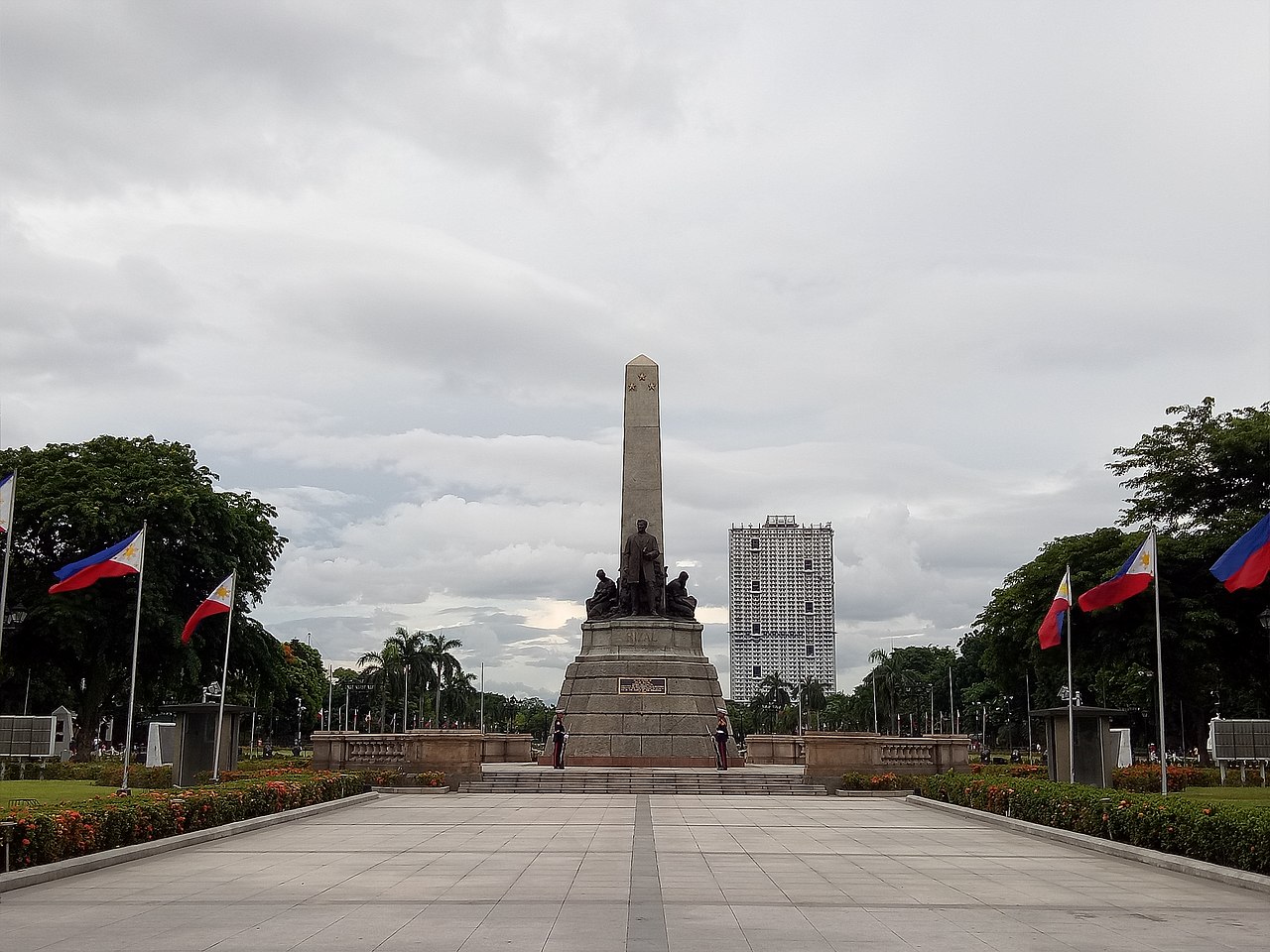

Components and governance
The region is made up of a group of cities and a municipality that form a contiguous urban zone. Administratively it is distinct from the surrounding provinces and is overseen by several local city governments alongside a coordinating agency, the Metropolitan Manila Development Authority (MMDA), which handles metropolitan-level planning, traffic management and disaster response.
- Major cities include Manila, Quezon City, Makati, Pasig, Taguig, Pasay and Caloocan.
- Smaller cities and the lone municipality together complete the metropolitan grouping and contribute to its varied residential, industrial and commercial districts.
History and development
What is now Metro Manila developed around the historic city of Manila, a colonial seat of government and trade for centuries. After World War II the urbanized zone expanded rapidly as populations and industries grew. In the 1970s the national government created a formal metropolitan entity to coordinate services and infrastructure across city boundaries, shaping the modern administrative region.
Characteristics and infrastructure
Metro Manila combines dense residential neighborhoods, high-rise business districts, industrial zones and historic districts. Its transport network includes commuter rail, urban light-rail systems and a major international airport, while major roadways connect the constituent cities. The region also faces common urban challenges such as traffic congestion, flood risk in low-lying areas, and the need for affordable housing and resilient infrastructure.
Economic and cultural importance
The metropolitan area is the country's financial and commercial heart, hosting corporate headquarters, major shopping and entertainment districts, universities, cultural institutions and national government offices. This concentration makes Metro Manila a focal point for domestic and international investment, cultural events and national decision-making.
Notes and distinctions
Although often referred to simply as "Metro Manila," the term covers a formally defined region distinct from surrounding provinces. It is compared frequently with other large urban areas for planning, demographic and economic studies; for further reading on administrative roles and demographics see official sources on the National Capital Region and metropolitan statistics at population and demographic resources and studies of metropolitan areas.
Keywords: Metro Manila, Kalakhang Maynila, National Capital Region, MMDA, Manila, Quezon City, Philippine capital.
Related articles
Author
AlegsaOnline.com Metro Manila — National Capital Region of the Philippines Leandro Alegsa
URL: https://en.alegsaonline.com/art/64237
Sources
- chanrobles.com : "Presidential Decree No. 824"