
Pärnu — Estonian coastal city and summer resort
Pärnu is a coastal city in southwestern Estonia, known as the country's summer capital. It features sandy beaches, spa traditions, a historic centre and a population of about 40,000.
Overview
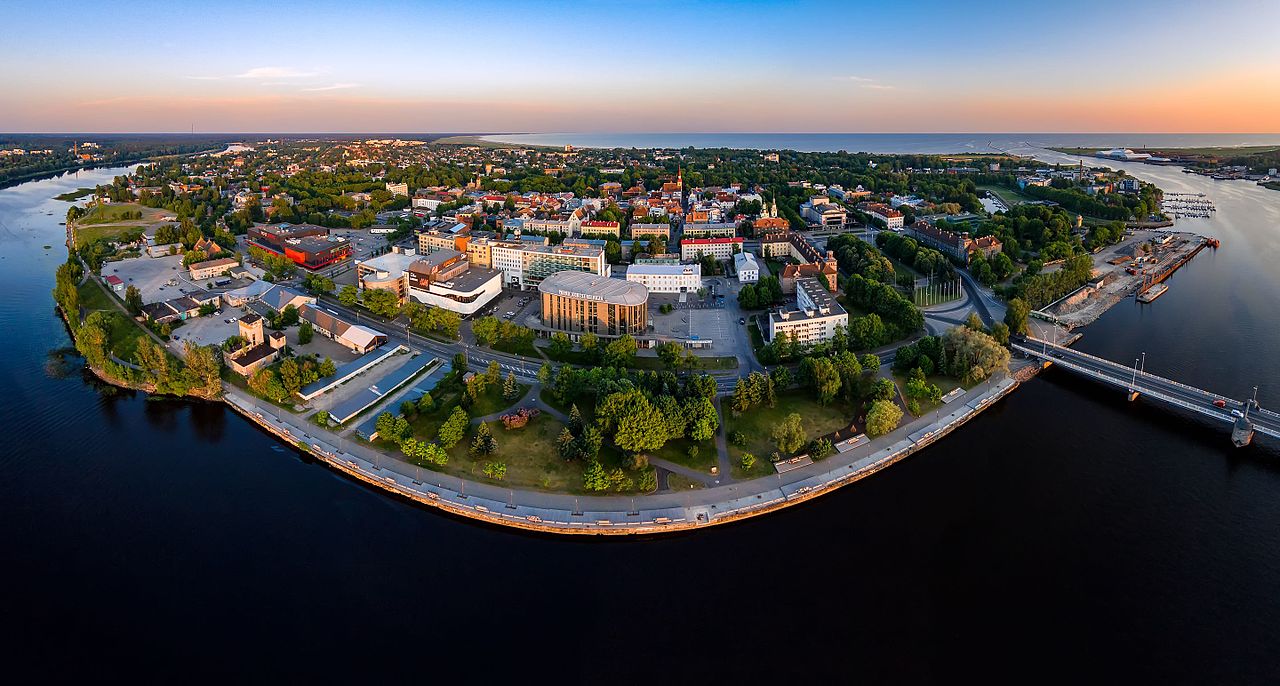
Pärnu is a coastal city in southwestern Estonia, often described as the nation's summer capital. It is the country's fourth-largest urban centre with a population of roughly 40,000 inhabitants. The city stands at the mouth of the Pärnu River on the Gulf of Riga and combines beach resort facilities with administrative and cultural roles in the region.
Image gallery
10 Images





Geography and character
Pärnu is known for its long sandy beach and shallow bay, a promenade and a mix of architectural styles including wooden houses, 19th‑ and early 20th‑century spa buildings, and modern developments. The waterfront, parks and promenades are focal points for visitors in warm months.
History and development
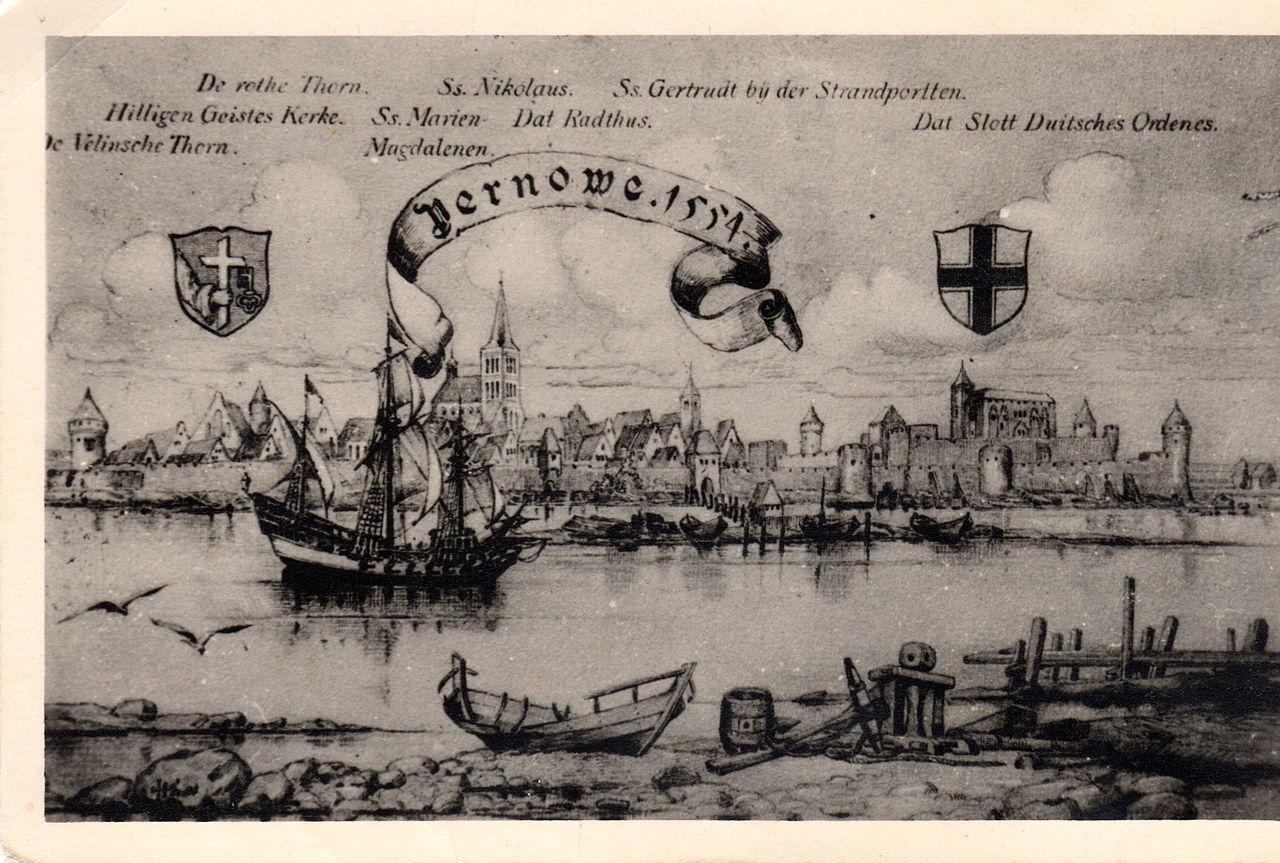
The town has medieval roots and grew as a trading and maritime place through successive periods of foreign rule. Over time it developed a reputation as a spa and holiday destination, with bathing establishments and health resorts that shaped its urban identity.
Culture, tourism and economy
Pärnu’s economy is anchored by tourism, hospitality and local services. The summer season brings festivals, open‑air concerts and events that attract domestic and international guests. Traditional spa and wellness services, beach recreation and a small harbour for leisure boats are important draws.
Attractions and notable facts
- Popular sandy beach and family‑friendly seaside facilities
- Historic spa architecture and wellness centres
- Parks, promenades and cultural events during summer
- Functions as an administrative centre for the surrounding county
For official information, municipal services and visitor guidance see the city profile at Pärnu city page. Pärnu remains a prominent example of a small European coastal city that merges seasonal tourism with year‑round local life.
Related articles
Author
AlegsaOnline.com Pärnu — Estonian coastal city and summer resort Leandro Alegsa
URL: https://en.alegsaonline.com/art/74787