
Parliamentary select committees of the United Kingdom
Independent committees of MPs and peers that scrutinise government policy, administration and legislation; they take evidence, publish reports and influence public debate.
Overview
Parliamentary select committees are specialist groups of Members of Parliament and peers established to examine government activity, public policy and proposed legislation. They operate within the rules of the two Houses of Parliament and include committees drawn solely from the House of Commons, solely from the House of Lords, and Joint Committees comprised of members from both Houses. Select committees play a central role in democratic oversight by taking evidence, producing reports and making recommendations that the government is normally expected to respond to.
Image gallery
1 Image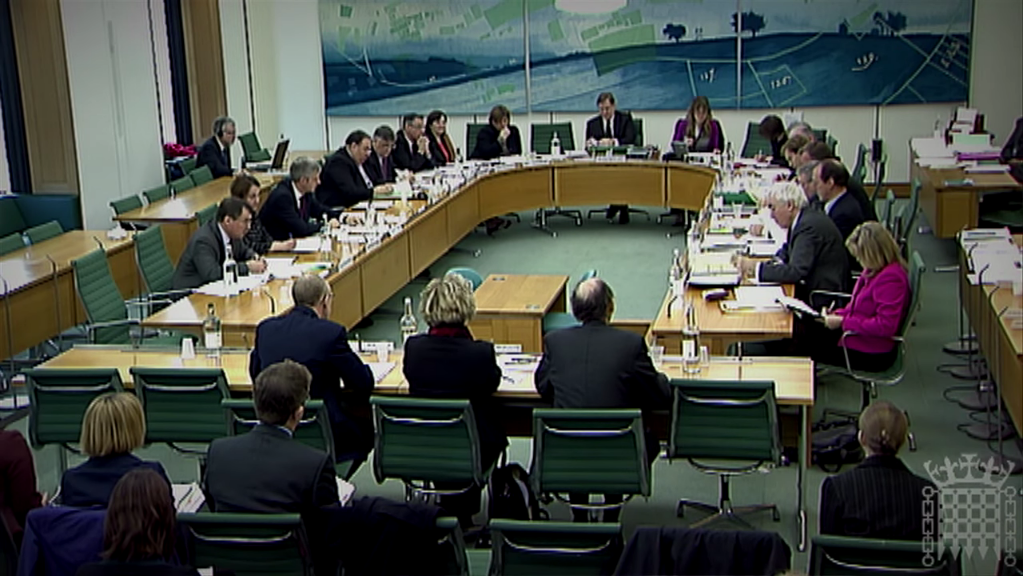
Types and typical responsibilities
There are a number of distinct kinds of select committees with different remits. Commons departmental select committees generally mirror government departments and focus on administration, spending, and policy implementation. Lords committees tend to examine broad constitutional, legal or technical questions and bring specialist expertise to long-term issues. Joint committees address matters that benefit from participation by both Houses.
- Departmental scrutiny (for example, the Foreign Affairs Select Committee)
- Constitutional and legal review (for example, the Constitution Committee)
- Legislative and delegated powers examination (for example, the Delegated Powers and Regulatory Reform Committee)
- Human rights and cross‑cutting issues (for example, the Joint Committee on Human Rights)
How select committees operate
Committees take written and oral evidence from ministers, senior officials, independent experts, interest groups and members of the public. They may call for documents and question witnesses in public sessions. Evidence-gathering culminates in a report that sets out findings and makes recommendations; the government customarily issues a formal response within a specified period. Committees can pursue follow-up work, publish correspondence and hold inquiry sessions to track implementation.
Powers, membership and governance
Membership is drawn from across party lines so that committees reflect the balance of the House that appoints them. Chairs are often elected by the whole House in the Commons and committees may appoint specialist advisers. While select committees cannot enact law, their reports carry significant persuasive authority and attract media and parliamentary attention. Typical powers and tools include:
- Summoning witnesses and requesting documents
- Publishing evidence and reports
- Holding public hearings and roundtables
- Monitoring government responses and implementation
History and development
The use of committees to examine matters of public administration has a long pedigree, evolving over time from ad hoc investigative bodies to the more structured system seen today. In the late 20th century the Commons expanded departmental scrutiny to provide sustained oversight of ministries; Lords committees have long developed reputations for detailed technical and constitutional inquiry. Reforms have sought to enhance independence, transparency and the ability of committees to call evidence.
Importance and notable distinctions
Select committees influence policy by exposing shortcomings, shaping debate and prompting legislative change. Commons committees are often headline-making when they investigate failing policy or public scandals, while Lords committees are valued for detailed scrutiny and continuity. Joint committees provide a forum where both Houses combine expertise for issues that cut across departmental boundaries.
Further information and the full list of committees can be found via official parliamentary resources: official committee pages, background briefings and guides: briefing resources. For information on Commons arrangements see Commons committee details, for Lords work see Lords committee descriptions, and to explore cross-house inquiries see joint committee lists.
Related articles
Author
AlegsaOnline.com Parliamentary select committees of the United Kingdom Leandro Alegsa
URL: https://en.alegsaonline.com/art/74766