
Parathyroid hormone (PTH)
Parathyroid hormone (PTH) is a peptide hormone from the parathyroid glands that maintains blood calcium by acting on bone, kidney and vitamin D metabolism; abnormalities cause hypo- or hyperparathyroidism.
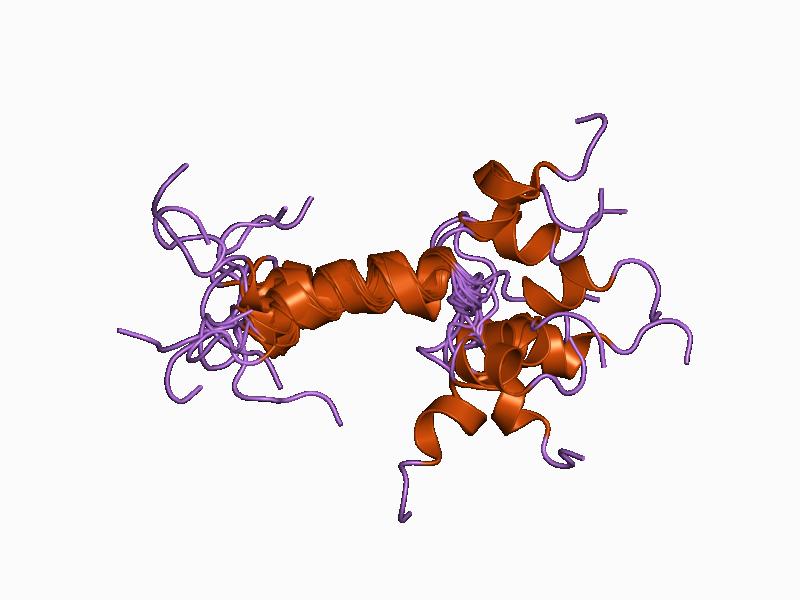
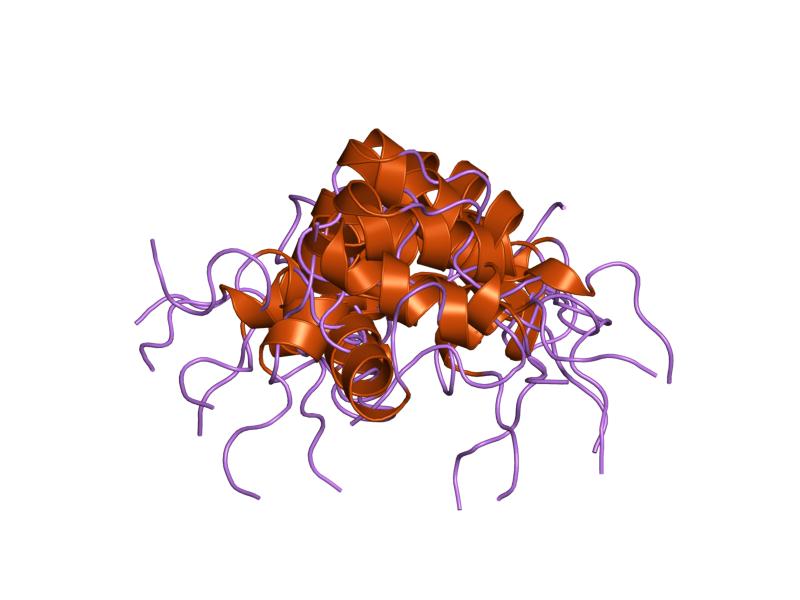
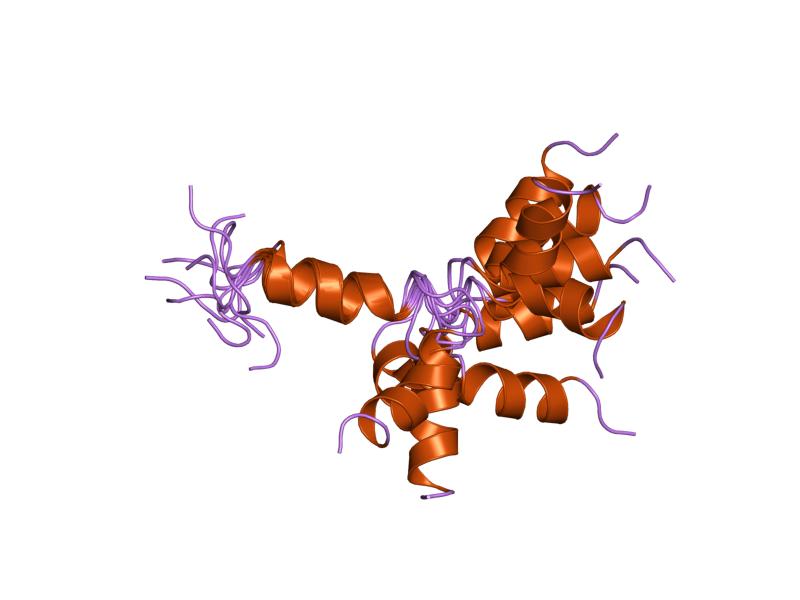
Parathyroid hormone (PTH) is a peptide hormone produced and released by the small endocrine organs called the parathyroid glands. Its principal role is to maintain stable levels of calcium in the blood and extracellular fluid. PTH responds rapidly to changes in ionized calcium and is a key regulator of mineral metabolism in vertebrates.
Image gallery
10 Images




Physiological actions
PTH raises circulating calcium by coordinated actions on three targets:
- Bone: PTH stimulates processes that increase release of calcium and phosphate from bone, primarily by promoting osteoblast expression of signals that activate osteoclasts.
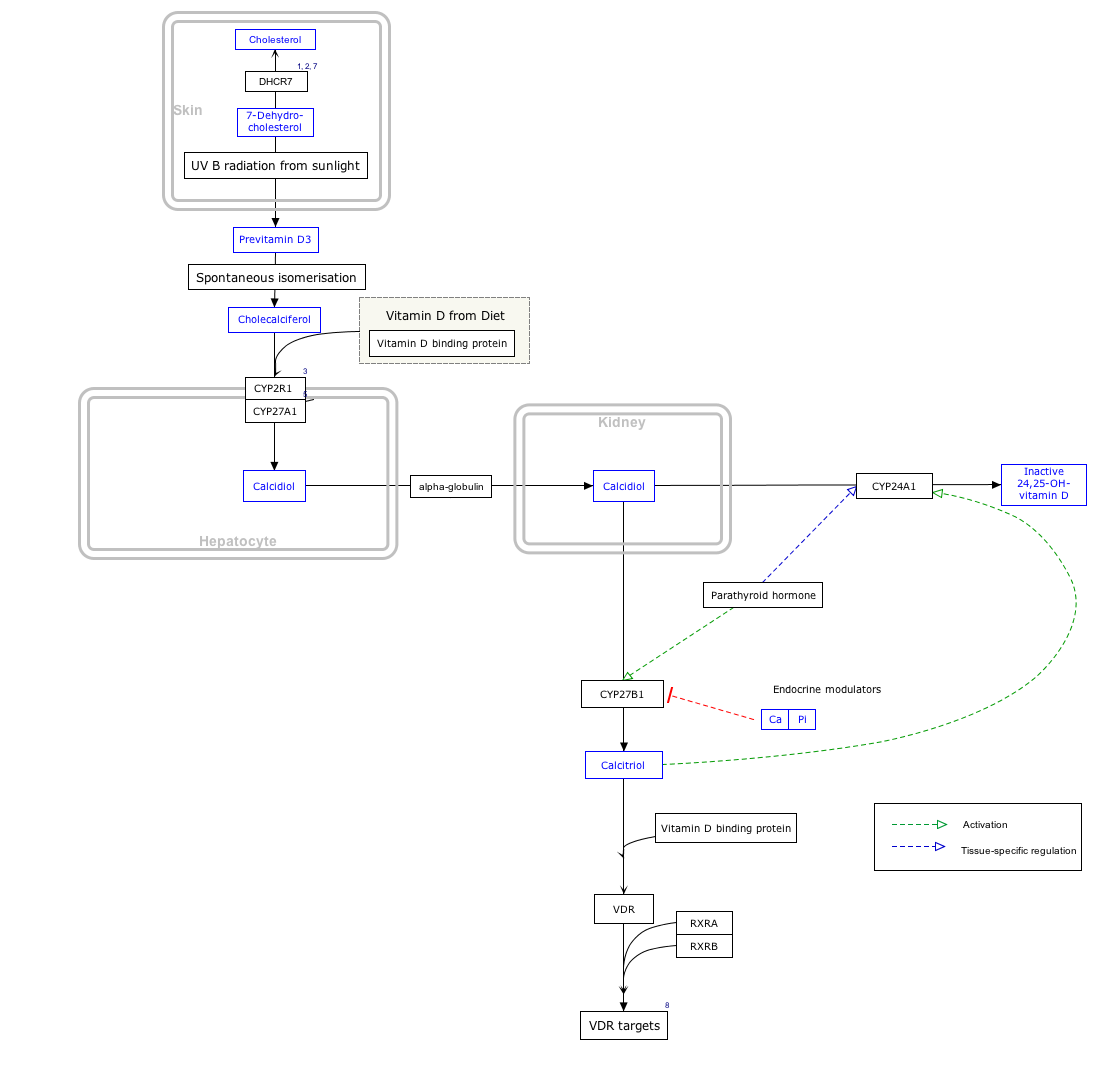
- Kidney: It increases renal tubular reabsorption of calcium and reduces reabsorption of phosphate, and it stimulates renal enzymes that convert vitamin D into its active form.
- Intestine (indirect): By increasing active vitamin D levels, PTH promotes intestinal absorption of dietary calcium.
Regulation and measurement
Secretion of PTH is tightly controlled by a calcium-sensing receptor on parathyroid cells: low blood calcium stimulates release, whereas high calcium suppresses it. Clinically, PTH is measured alongside serum calcium and phosphate to evaluate disorders of mineral balance. Modern assays measure intact PTH molecules; results are interpreted in context of calcium and vitamin D status.
Disorders and clinical features
Two broad clinical conditions arise from abnormal PTH levels. Hypoparathyroidism (insufficient PTH) causes low blood calcium and symptoms such as muscle cramps, tingling, or in severe cases tetany. Hyperparathyroidism (excess PTH) leads to high blood calcium, which may cause kidney stones, bone loss, fatigue, and neuropsychiatric symptoms. Primary hyperparathyroidism is often due to a parathyroid adenoma; secondary forms result from chronic low calcium or vitamin D disorders.
Clinical use and history
PTH or fragments of it are used therapeutically: intermittent administration of recombinant PTH analogues can stimulate bone formation and is an option in selected osteoporosis patients. Other treatments for PTH disorders include calcium and active vitamin D replacement for hypoparathyroidism and surgical removal of an overactive gland in many cases of primary hyperparathyroidism.
Historically, the parathyroid glands were described in the late 19th century, and the hormone they produce was characterized during the 20th century as biochemical and clinical techniques advanced. PTH remains central to understanding calcium homeostasis and is frequently referenced in endocrine, renal and bone medicine.
Related articles
Author
AlegsaOnline.com Parathyroid hormone (PTH) Leandro Alegsa
URL: https://en.alegsaonline.com/art/74594
Sources
- may2017.archive.ensembl.org : "Gene: PTH (ENSG00000152266) - Summary - Homo sapiens - Ensembl genome browser 89"
- ncbi.nlm.nih.gov : PMID 9575320