
Parable of the Prodigal Son
A summary and analysis of Jesus' Parable of the Prodigal Son (Luke 15:11–32), its narrative elements, theological themes, liturgical use, and cultural influence in art and literature.
Overview
The Parable of the Prodigal Son is a short story told by Jesus that appears only in the Gospel of Luke (Luke 15:11–32). It describes a younger son who asks for his share of the inheritance, leaves home, and wastes his wealth. After falling into poverty and despair he decides to return and ask his father to take him back as a hired servant. Instead, the father receives him with mercy, restores his place in the household, and celebrates his return. An elder brother, faithful and resentful, objects to the celebration. The father responds that the elder son already has everything, and that rejoicing is appropriate because the younger son who was lost has been found.
Image gallery
8 Images




Structure and principal elements
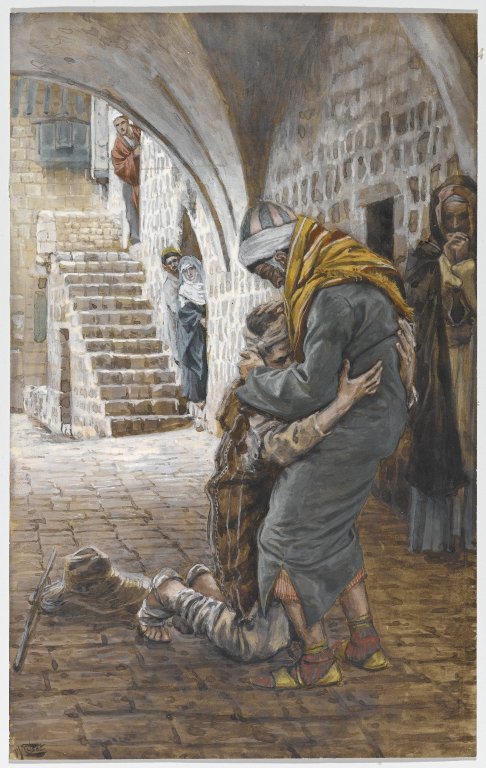
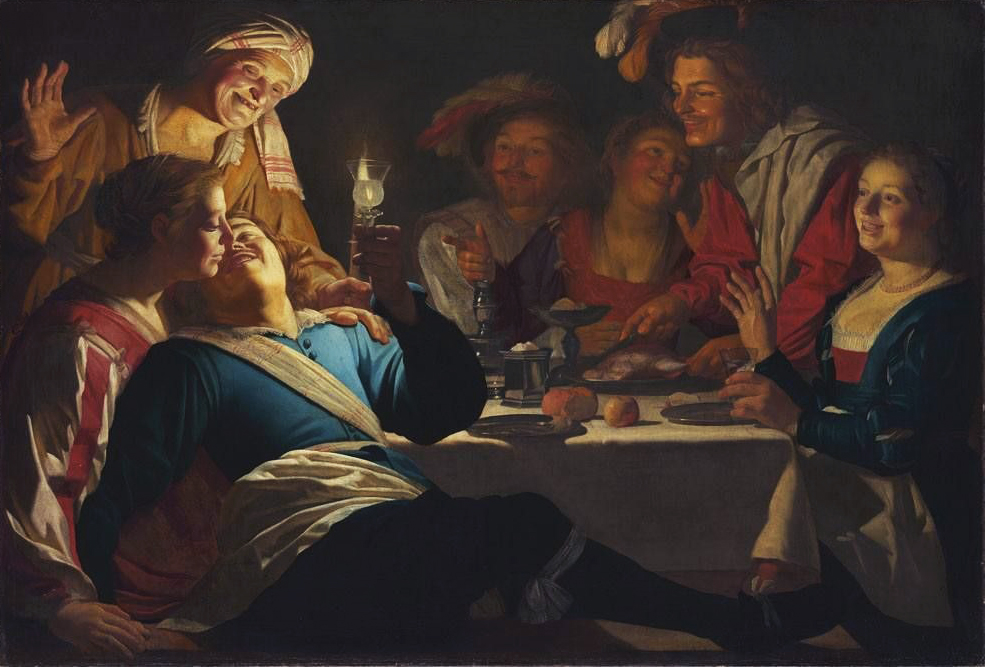
The narrative is built around contrasted scenes and characters: the younger son's request and departure; his life of dissipation; the point of humiliation (feeding pigs); his decision to repent; the return and the father's unexpected warmth; the feast; and the elder brother's anger. These parts emphasize reversal—honor to shame to honor again—and the interpersonal dynamics within a single household. The father's behavior, notably his rushing out to meet the returning son, subverts social expectations and highlights the story's emphasis on mercy rather than strict legal retribution.
Context and interpretation
Luke places this parable at the end of a trio often called the "lost" parables, which includes the Parable of the Lost Sheep and the Parable of the Lost Coin. Jesus relates these stories after being criticized by religious leaders for associating with sinners; the parables answer that God rejoices when a repentant person returns. Traditional readings identify the father with God, the younger son with repentant sinners, and the elder son with self-righteous observers—an interpretation that stresses grace, forgiveness, and the universality of divine compassion.
Liturgical use and cultural importance
The parable figures prominently in Christian worship and teaching. In much of Western Christianity it is read during the season of Lent, commonly on the third Sunday of Lent, as an invitation to repentance and reconciliation. In some Eastern traditions it is read on the Sunday of the Prodigal Son, one of the preparatory Sundays before Great Lent. These liturgical practices underscore penitential themes and the readiness of God to receive those who return.
Influence on art, music, and literature
Because of its vivid characters and emotional drama, the story has inspired countless works of art, music, drama, and literature. Artists have depicted the father's embrace and the elder son's confrontation; composers and playwrights have adapted the drama to explore forgiveness, family tension, and social judgment. The scene of the father running to meet his child has become an iconic image of mercy across cultures.
Distinctive features and scholarly notes
- The parable is unique to Luke's Gospel and is one of his clearest didactic tales about repentance and divine mercy.
- Scholars note cultural details—such as inheritance practices, the shame of feeding pigs in a Jewish context, and the scandal of an elder running to greet a returning child—that give the story social and ethical edge.
- Interpretations vary: some emphasize personal repentance, others highlight communal reconciliation or critique of religious self-righteousness.
Reading and further study
Readers approaching the parable may consider its literary artfulness as well as theological claims. It functions simultaneously as a pastoral message, a social critique, and a theological metaphor for grace. For canonical context see the Gospel of Luke. For notes on Western liturgical use see references tied to the Lenten calendar (Lent observances), and for Eastern practice see material associated with the Eastern Orthodox tradition. Because translations and cultural assumptions shape interpretation, comparing versions and consulting commentaries can illuminate different emphases—mercy, repentance, restoration, and the tensions between justice and grace.
Related articles
Author
AlegsaOnline.com Parable of the Prodigal Son Leandro Alegsa
URL: https://en.alegsaonline.com/art/74485
Sources
- books.google.com.au : The Challenge of Jesus' Parables
- books.google.com.au : Gospel of Luke: The Ignatius Study Guide