
Parables of Jesus: form, themes, history and influence
Overview of the parables told by Jesus: their narrative form, principal themes, notable examples, origins in oral and Jewish traditions, interpretation methods, and cultural legacy.
Overview
The parables of Jesus are brief illustrative stories used in his teaching and are recorded chiefly in the Gospels. Many appear in the three synoptic books — the Gospel of Matthew, Mark and Luke — with a smaller number or different treatment in John. Related narratives also exist outside the canonical gospels in several early writings and later collections (non-canonical gospels). Christians and scholars alike regard these stories as a central part of Jesus's instruction (the teaching of Jesus), and they have become some of the most widely known short narratives in Western culture.
Image gallery
10 Images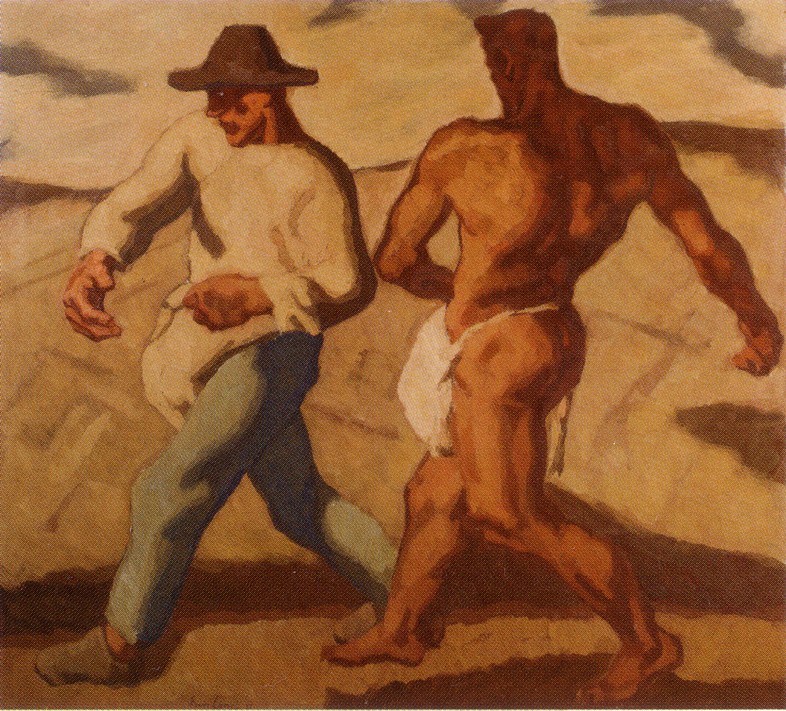



Form and characteristics
Parables attributed to Jesus are typically concise, memorable, and built around everyday scenes—agriculture, household tasks, commerce, travel and social encounters. They employ strong images and ordinary details to embody moral or theological points. A parable often has a surprising twist or contrast that invites reflection. Some are simple analogies pointing to a single truth; others are nested or extended stories that support several related observations.
History and transmission
Scholars place the parables within the broader Jewish tradition of teaching by story and comparison. They circulated first in oral form and were later collected and edited by early Christian communities before being written into gospel narratives. This process of transmission led to variations in wording and emphasis across the accounts, and to differing numbers of parables in each gospel. The stories' brevity and vividness helped them survive as a major component of Jesus's remembered message.
Major themes and examples
Repeated themes include the nature and growth of God's rule, ethical obligations toward others, repentance and forgiveness, and the surprising priorities of God. Well-known examples illustrate these points in concrete situations:
- The Sower: agricultural image used to discuss reception of teaching and perseverance.
- The Mustard Seed: a tiny seed that grows into a large plant, symbolizing the expansion of the Kingdom of God.
- The Leaven: dough that pervades the whole batch, another image of pervasive growth.
- The Good Samaritan: a story about mercy that redefines neighborly love and challenges social boundaries.
- The Prodigal Son: a longer parable about forgiveness, reconciliation and the dynamics of family and grace.
- The Friend at Night: an example that encourages persistent prayer and bold asking (Friend at Night).
- The Lost Sheep and Lost Coin: paired images emphasizing joy over recovery of what was lost.
- Short sayings and aphorisms: some parables reduce to maxims about humility, service and love.
Interpretation and scholarly approaches
Interpretation of Jesus's parables has varied widely. Traditional allegorical readings find correspondences between every element and a spiritual meaning; modern historical-critical approaches tend to seek a single or primary point intended in its original context. Other methods examine redactional changes, literary structure, socio-historical setting, or psychological effect. Many interpreters emphasize that parables both reveal and conceal: they teach plainly to those receptive while challenging listeners to active reflection.
Reception and cultural impact
Beyond religious instruction, these parables have shaped literature, visual art, preaching and everyday language: terms such as "parable" and specific story titles are used metaphorically in a variety of contexts. Their ethical images—compassion, forgiveness, and reversal of expectations—continue to influence moral discourse. Scholarly study, devotional reading and artistic adaptation keep the parables in active circulation; related noncanonical narratives also contribute to the broader tradition (non-canonical collections).
For further study, readers often compare parallel accounts in the canonical gospels or consult commentaries that explain historical background, linguistic detail and theological interpretation. Scholarly and faith communities continue to debate how best to read these powerful, compact stories and how their lessons apply today.
Questions and answers
Q: Where can the parables of Jesus be found?
A: The parables of Jesus can be found in Matthew, Mark, Luke and John, as well as some other gospels not included in the Bible. They are mostly found in the three synoptic gospels.
Q: Why are Christians so interested in these parables?
A: Christians place emphasis on these parables since they are believed to be the words of Jesus.
Q: What makes Jesus' parables unique?
A: Jesus' parables are seemingly simple and memorable stories with imagery that each conveys a message. Despite their simplicity, they contain deep messages that are central to the teachings of Jesus.
Q: What kind of everyday things do some of Jesus' parables refer to?
A: Some of Jesus' parables refer to simple everyday things such as a woman baking bread (parable of the Leaven), a man knocking on his neighbor's door at night (parable of the Friend at Night), or the aftermath of a roadside mugging (parable of the Good Samaritan).
Q: What major religious themes do many of these parables deal with?
A: Many of these parables deal with major religious themes such as growth in God's Kingdom, importance prayer, and meaning behind love.
Q: How have these stories impacted Western civilization?
A: In Western civilization, these stories formed the prototype for what is now known as "parable" and even among those who know little about Christianity or its Bible, many still recognize these stories from around world.
Related articles
Author
AlegsaOnline.com Parables of Jesus: form, themes, history and influence Leandro Alegsa
URL: https://en.alegsaonline.com/art/74486