
Paquita Rico — Spanish singer and film actress
Paquita Rico (Francisca Rico Martínez) was a Spanish singer and film actress from Triana, Seville, known for copla and a film career spanning the mid-20th century.
Overview
Paquita Rico was the stage name of Francisca Rico Martínez, a Spanish singer and actress born in the Triana neighborhood of Seville. She became a familiar figure in mid-20th century Spanish popular culture, combining a singing career rooted in Andalusian traditions with a long presence on film screens.
Image gallery
1 Image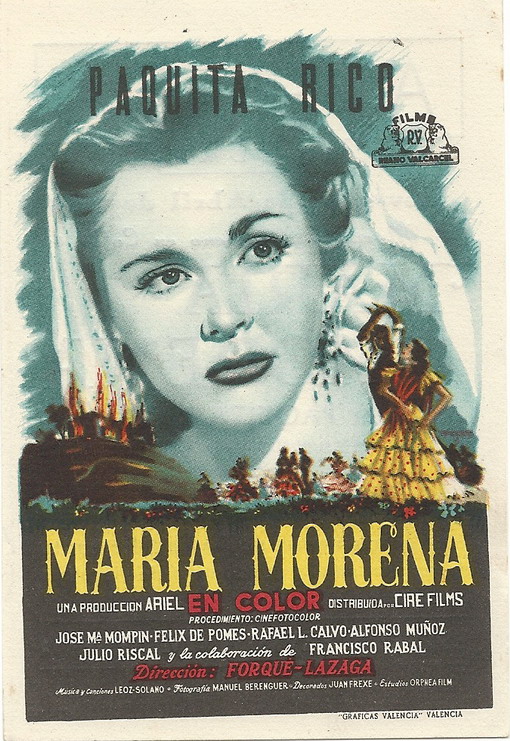
Early life and artistic roots
Born in a district known for its musical and flamenco heritage, she was influenced by regional song forms such as the copla and other Andalusian styles. Her public persona blended theatrical performance with musical interpretation, and she made the transition from stage singing to cinema as Spanish film production expanded after World War II.
Film and music career
Over several decades she appeared in some thirty films, primarily between 1948 and 1983, often in roles that showcased her singing. Her screen work covered musical films, popular melodramas and productions aimed at general audiences. She is credited with bringing traditional Spanish song to wider cinema audiences and for maintaining a dual career as both performer and recording artist.
Notable works
- Let's Make the Impossible! — one of her better known films, entered into the 8th Berlin International Film Festival.
- Numerous musical and dramatic films from the 1950s and 1960s that highlighted regional song and popular themes.
Legacy and later life
Paquita Rico is remembered for combining voice and screen presence at a time when Spanish cinema sought familiar cultural figures. Her repertoire helped sustain interest in Andalusian song traditions among postwar audiences. Later in life she lived in Seville and occasionally participated in cultural events before withdrawing from public life.
Death and remembrances
She died in Seville at the age of 87 from pneumonia. Her passing prompted notices in Spanish media noting both her filmography and her contribution to popular song. For further biographical or career details see profiles that collect her recordings and film credits: biographical overview, her neighborhood origins in Triana, Seville, and contemporary reports of her death and cause (news accounts).
Related articles
Author
AlegsaOnline.com Paquita Rico — Spanish singer and film actress Leandro Alegsa
URL: https://en.alegsaonline.com/art/74468
Sources
- imdb.com : "IMDB.com: Awards for ¡Viva lo imposible!"
- elmundo.es : Muere la actriz y cantante Paquita Rico a los 87 años