
Austin Eubanks: Columbine survivor, addiction advocate, and his legacy
Biography of Austin Eubanks (1981–2019): Columbine shooting survivor who became a public speaker on opioid addiction and recovery; his life, advocacy, struggles, and death.
Overview
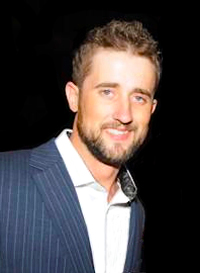
Stephen Austin Eubanks (October 8, 1981 – May 18, 2019) was an American survivor of the 1999 Columbine High School shooting who later worked publicly as a motivational speaker on addiction and recovery. He was wounded during the attack on April 20, 1999, when he was shot in his hand and knee by one of the assailants, Dylan Klebold; one of his classmates, Corey DePooter, was killed in the same incident. The massacre at Columbine High School is widely discussed as a turning point in U.S. conversations about school safety and youth trauma (Columbine High School massacre).
Image gallery
3 Images

Injury, pain management, and addiction
Following his physical injuries, Eubanks was prescribed pain medication, a pathway that led him to develop a dependence on opioids. His struggle reflects a broader pattern seen in many survivors of traumatic injury and in the context of the late 1990s and 2000s opioid crisis, where prescription painkillers sometimes became a first step toward long-term addiction. In interviews and public appearances he spoke candidly about how prescriptions intended to treat acute pain evolved into a chronic substance use disorder (opioids).
Advocacy and public work
After achieving periods of sobriety, Eubanks became a public voice about recovery. He traveled, spoke at events, and shared his experience to raise awareness about the challenges of addiction, the possibility of recovery, and the risks of relapse. His work included discussions about mental health after mass violence and the long-term needs of survivors. He was divorced and had two children, details he sometimes referenced in public remarks about family and recovery (divorced).
Death and public reaction
Austin Eubanks was found dead on May 18, 2019, in Steamboat Springs, Colorado; he was 37 years old. Authorities later determined his death to be an accidental overdose of heroin, a reminder of the persistent danger of opioid addiction and overdose even for those who have previously sought recovery (Steamboat Springs, Colorado, where he was found). Reports indicated the cause was an unintentional overdose involving heroin.
Legacy and broader significance
Eubanks's life illustrates several interconnected issues: the enduring psychological and medical consequences of mass trauma, the role of prescription pain medication in some addiction pathways, and the difficulty of sustaining long-term recovery. His willingness to speak openly about relapse and loss added nuance to public discussions that can otherwise simplify addiction as a matter of willpower. His story continues to be cited in conversations about supporting survivors, improving pain management, and expanding addiction treatment and overdose prevention services.
- Key themes: trauma, addiction, recovery, relapse, public advocacy
- Notable facts: wounded at Columbine; friend Corey DePooter was killed; later became a recovery speaker; died of an accidental overdose.
Related articles
Author
AlegsaOnline.com Austin Eubanks: Columbine survivor, addiction advocate, and his legacy Leandro Alegsa
URL: https://en.alegsaonline.com/art/7445