
Paper cup — disposable drinking cup made from paper with a liquid barrier
A lightweight disposable cup formed from paperboard and given a coating (plastic or wax) to contain liquids. Used for hot and cold drinks; recycling and composting depend on the lining.
Paper cup refers to a disposable drinking cup manufactured primarily from paperboard. The outer structure is paper-based for stiffness and printability, while an inner barrier prevents seepage. Most cups are intended for single use and are common in cafes, vending machines, catered events and retail takeout.
Image gallery
9 Images


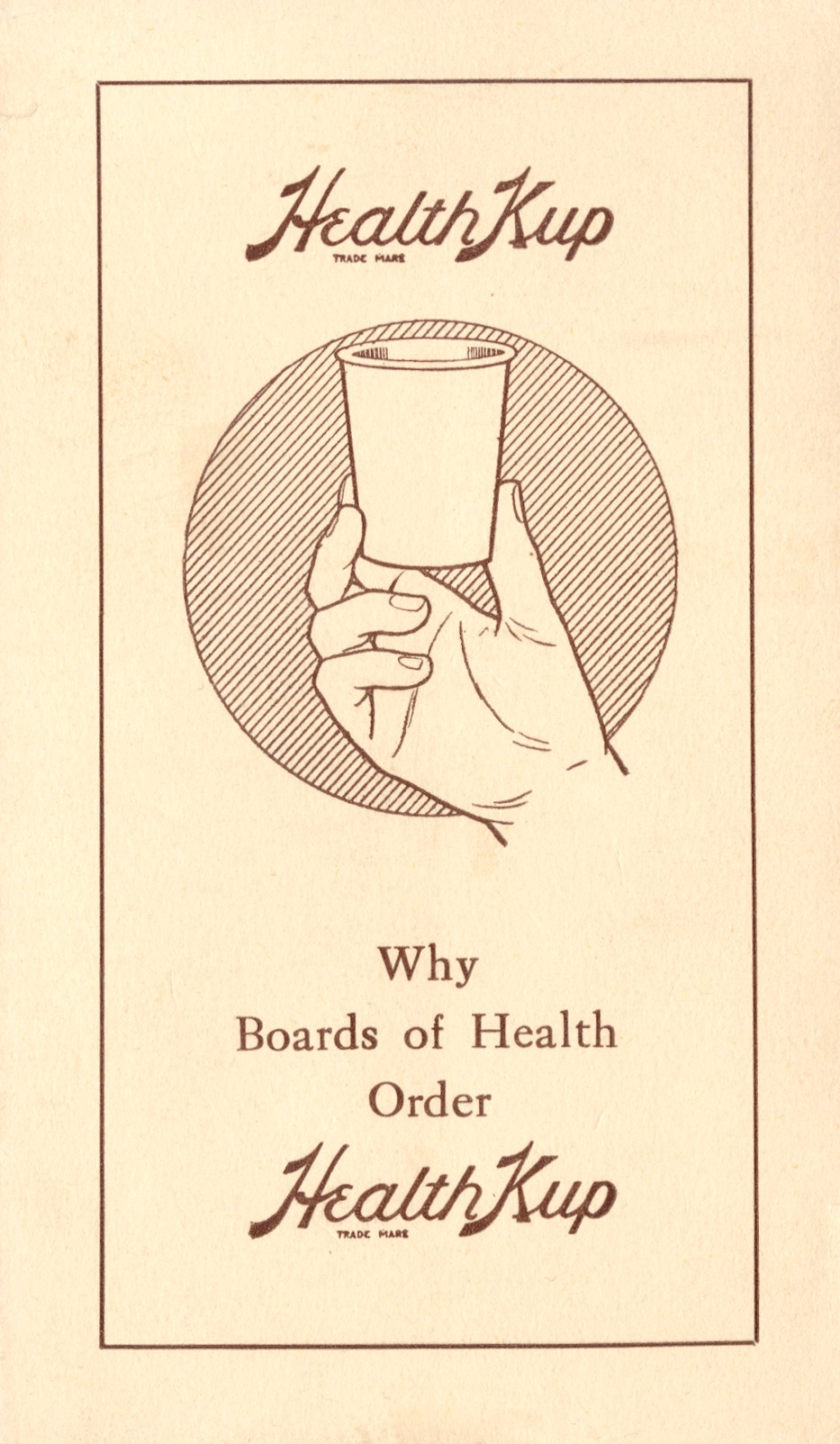

Characteristics and construction
Typical construction uses a shaped paperboard body bonded along a side seam and crimped or rolled at the rim. The interior is normally lined with a thin layer of plastic or wax to keep liquids from soaking through. Some designs add a corrugated or double-wall layer to insulate hot beverages, or include a separate sleeve. Printing and branding are easy because the paper surface accepts inks and coatings.
Types and common variants
- Single-wall: one paper layer, lightweight for cold or short-term hot drinks.
- Double-wall or insulated: adds an air gap or extra paper for heat resistance.
- Wax-lined: traditional barrier, less effective for very hot or long-duration use.
- Plastic-lined (polyethylene): widely used for hot and cold drinks and for cold-chain stability.
Manufacturing is rapid and automated: sheets of treated paperboard are printed, die-cut, shaped into a cup and heat-sealed. Lids—often plastic—are available for spill reduction and heat retention.
Paper cups became popular in the 20th century as a hygienic alternative to shared tumblers and ceramic vessels in public settings. Over time the industry added improved inner linings and compostable alternatives that replace conventional plastic with bio-based or water-based barriers.
Environmental considerations are important: the thin linings complicate recycling and municipal acceptance varies. Compostable-certified cups require appropriate industrial composting facilities. Reusable vessels and properly managed recycling or composting systems are common recommendations to reduce waste from single-use paper cups.
Notable distinctions: choose cups by intended use (hot vs cold), required insulation, and local end-of-life options. Labels and certification marks can indicate whether a cup is recyclable or compostable; check local guidance before disposal.
For further technical details or standards, consult product specifications and municipal recycling guidelines via resources such as paper material suppliers and industry guidance portals.
Author
AlegsaOnline.com Paper cup — disposable drinking cup made from paper with a liquid barrier Leandro Alegsa
URL: https://en.alegsaonline.com/art/74443