
Acoustic music: definition, instruments, history and uses
Music produced primarily by instruments that generate sound acoustically rather than electronically; covers instruments, styles, history, and distinctions between acoustic and amplified performance.
Acoustic music is music produced mainly by instruments that create sound through natural physical vibration and resonance rather than electronic sound generation or electronic amplification. The term emphasizes the method of sound production: strings, air columns, skins and bodies resonate to make audible sound. In common usage it also contrasts performances that are "unplugged" or arranged for non-amplified instruments with those relying on electric or electronic equipment. For a basic list of instrument types see acoustic musical instruments.
Image gallery
1 Image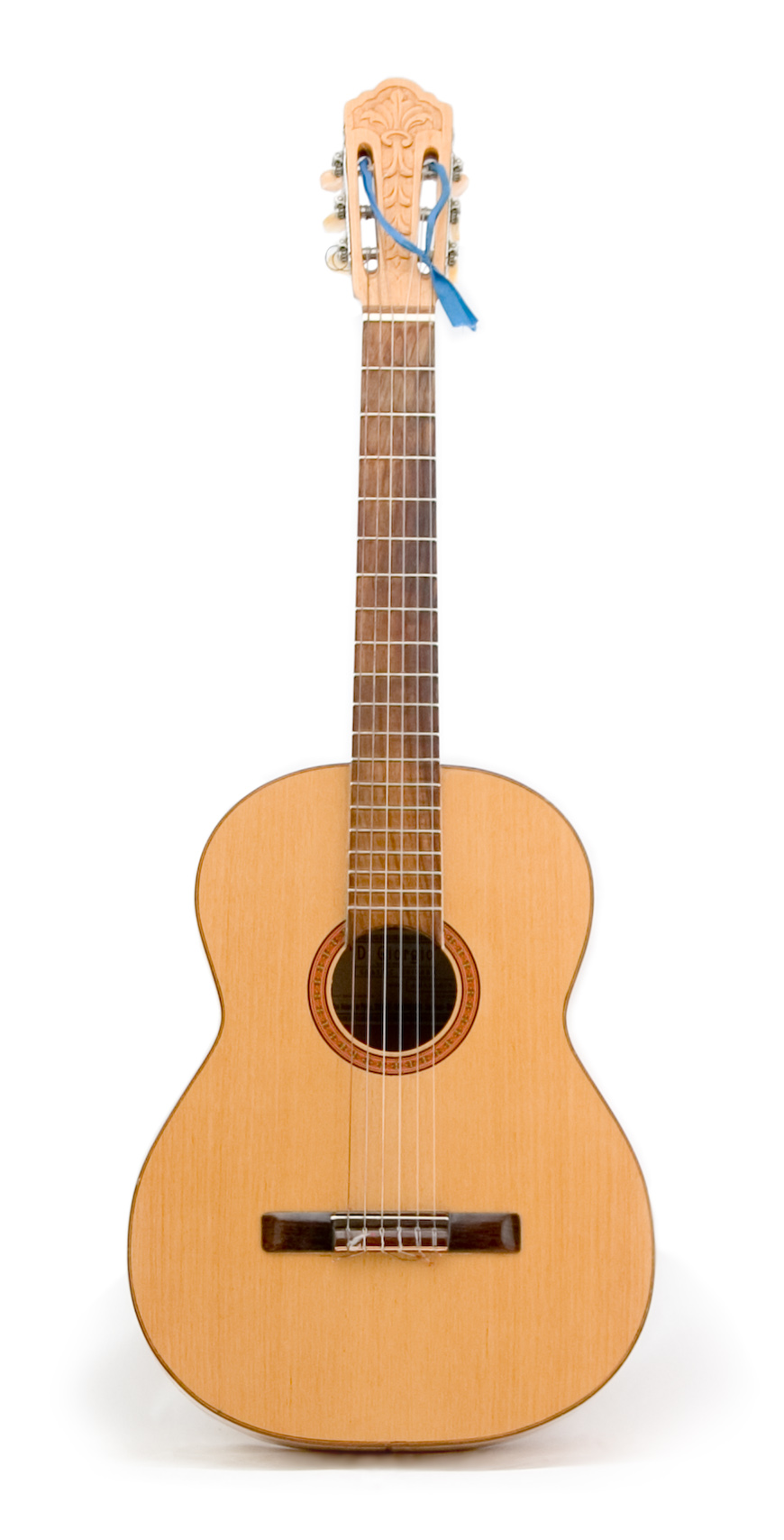
Characteristics and typical instruments
Acoustic instruments are designed so that their materials and shapes amplify and color the sound without electronic intervention. Typical families include:
- String instruments — violin, cello, double bass, acoustic guitar, harp — that use vibrating strings coupled to a resonant body.
- Woodwinds and brass — flute, clarinet, trumpet, trombone — that rely on air columns and mouthpiece excitation.
- Percussion — timpani, snare drum, marimba — where vibrating heads or bars produce tones and rhythms.
- Voice — the human vocal instrument, often classified with acoustic sources when unamplified.
Historical context
Until the development of electronic instruments and amplification technologies in the 20th century, virtually all musical instruments were acoustic. The arrival of electronic synthesis, electric guitars and microphones changed how music could be projected and shaped, but acoustic instruments remained central to many traditions. Classical music typically uses acoustic ensembles and orchestras, though some 20th-century composers and performers experimented by combining acoustic and electronic elements; notable figures include avant-garde composers such as Karlheinz Stockhausen. For context on the broader technological shift see electronic musical instruments and the period of change in the 20th century.
Uses, genres and examples
Acoustic music appears across numerous genres: classical and chamber music, many forms of folk and traditional music, singer-songwriter and contemporary acoustic-pop, as well as intimate jazz ensembles. Acoustic arrangements are often chosen for their perceived warmth, clarity and directness. Popular culture has periodically highlighted acoustic performance—programs such as MTV's "Unplugged" series showcased how songs reinterpret when stripped of heavy amplification.
Distinctions and notable facts
Being "acoustic" can mean purely unamplified sound or simply an arrangement centered on non-electronic sources; many modern acoustic instruments are fitted with pickups or microphones for live performance, creating hybrid acoustic-electric setups. The acoustic approach influences composition, arranging and venue choice, since projection and balance must be achieved without loudspeakers. For a contrast with ensembles and traditions that rely on amplification see Classical music and contemporary practice.
Acoustic music remains essential to cultural traditions and musical education; it informs instrument design, performance technique and recording practices. Further reading and instrument guides are available at general resources such as acoustic instrument overviews and technical discussions on electronic vs acoustic sound.
Tags
Related articles
Author
AlegsaOnline.com Acoustic music: definition, instruments, history and uses Leandro Alegsa
URL: https://en.alegsaonline.com/art/744