
Panaji (Panjim): capital city of Goa
Panaji (Panjim) is the administrative capital of Goa, India. Known for its Portuguese heritage, riverfront, Latin Quarter and churches, it is a regional hub for government, culture and tourism.
Panaji, also called Panjim, is the administrative capital of the Indian state of Goa. It sits on the eastern bank of the Mandovi River and serves as the seat of the state government. Panaji's urban area recorded a population of roughly 114,000 in the 2011 national census, making it one of the main cities in the state.
Image gallery
10 Images


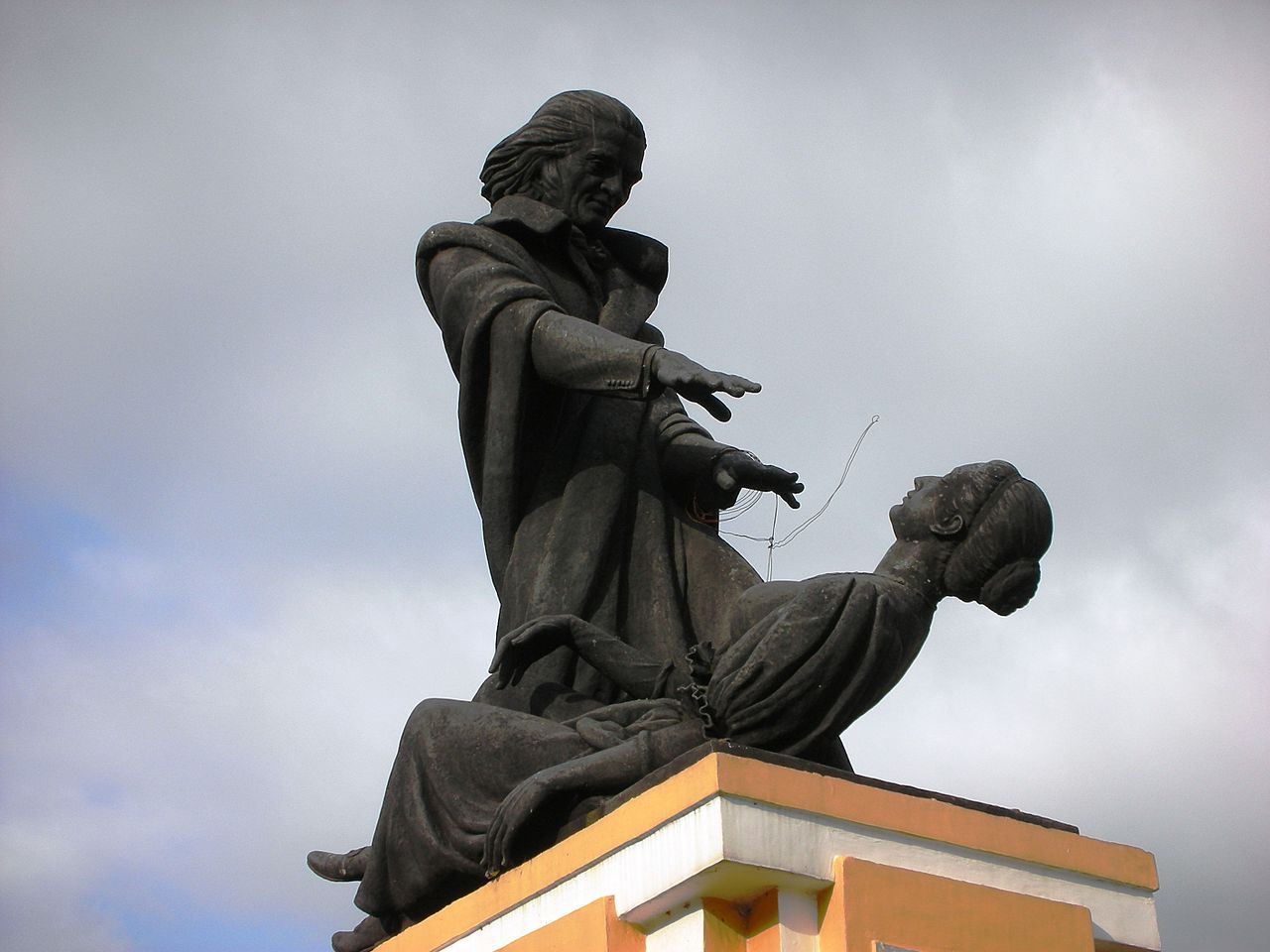


Location and layout
The city occupies a compact riverside setting where the Mandovi meets the Arabian Sea. A mix of low hills and tidal flats frames the town, with a distinct waterfront promenade and several bridges that link Panaji to neighbouring districts. The old Latin Quarter, known as Fontainhas, is characterized by narrow lanes, colorful houses and small plazas that recall the town's colonial past.
History and development
Panaji grew in importance during the centuries of Portuguese rule in western India and later became the administrative centre after Old Goa declined as a mercantile hub. Its architecture, place names and many churches reflect the blend of Indian and Lusitanian influences that shaped the city over time.
Culture, economy and landmarks
Today Panaji combines government functions with tourism, education and services. Notable landmarks include:
- The Our Lady of the Immaculate Conception Church and other colonial-era churches
- Fontainhas Latin Quarter with preserved houses and cafes
- Riverside promenades, boat cruises and nearby beaches such as Miramar
- Museums, the state secretariat and cultural venues
Visitors come for festivals, river cruises and the compact historic core. For practical travel information and links to official resources, see local guides and the state's portals: Goa information.
Related articles
Author
AlegsaOnline.com Panaji (Panjim): capital city of Goa Leandro Alegsa
URL: https://en.alegsaonline.com/art/74301