
Panama City, Panama
Capital and largest city of Panama, a regional economic hub known for its skyline, colonial quarter, proximity to the Panama Canal, tropical climate, and growing appeal for retirees and tourists.

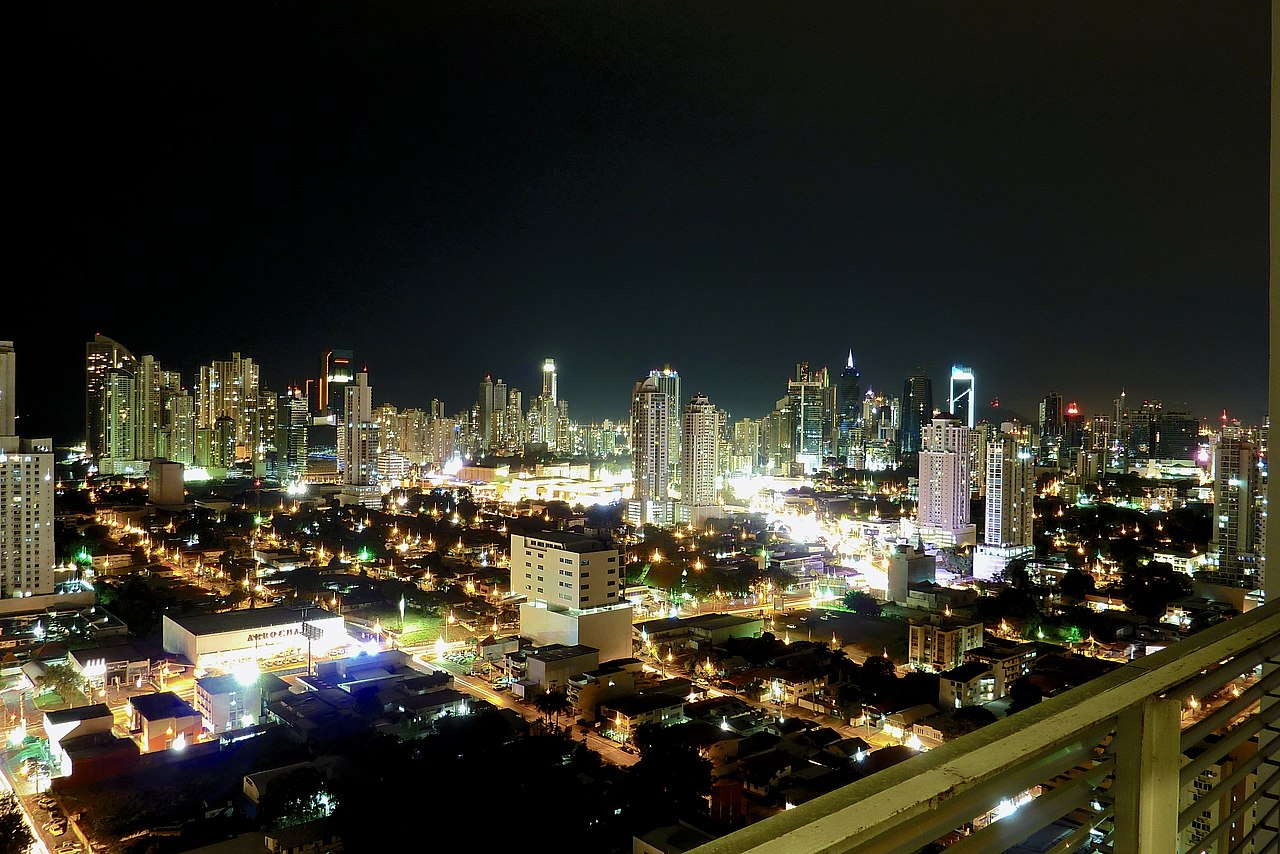
Panama City is the capital of the Republic of Panama and the country's main urban center. The city proper is home to roughly eight hundred thousand residents and sits on the Pacific coast at the eastern end of the Gulf of Panama. In recent decades it has developed a modern skyline, expanded international services and become a popular destination for tourists and retirees.
Image gallery
10 Images




Characteristics and role
Panama City functions as the political, financial and transportation heart of the country. It contains major banking and corporate offices, a busy seaport, and Tocumen International Airport, which connects the city to destinations across the Americas. The city's architecture mixes contemporary high-rises with colonial-era neighborhoods and waterfront promenades.
History and development
Founded by Spanish settlers in the early 16th century, Panama City played a central role in transoceanic trade during the colonial era. The original settlement that stood on the Pacific shore was attacked and largely destroyed in the 17th century and later replaced by the historic quarter now called Casco Viejo. The construction of the Panama Canal and 20th-century growth transformed the city into a strategic global hub.
Climate and geography
Located in the tropics, Panama City has a warm, humid climate with a pronounced rainy season and a drier period roughly from January to April. Mangroves and coastal wetlands neighbor dense urban areas, and a number of parks and green corridors provide recreational space within the metropolitan region. The city lies near the Pacific entrance to the Panama Canal, which shapes much of its maritime activity.
Attractions, economy and uses
- Casco Viejo: historic district with plazas, churches and restaurants.
- Amador Causeway: waterfront route with leisure amenities and views of the canal entrance.
- Cultural institutions and museums that document Panama's maritime and colonial past.
- International banking, shipping services and logistics tied to the canal and trade.

Notable distinctions include the use of the balboa alongside the U.S. dollar as legal tender, Spanish as the dominant language, and a metropolitan population that is substantially larger than the city proper. Panama City continues to balance rapid urban growth with efforts to preserve historic neighborhoods and manage coastal ecosystems while serving as a regional gateway for commerce and travel.
Related articles
Author
AlegsaOnline.com Panama City, Panama Leandro Alegsa
URL: https://en.alegsaonline.com/art/74307