
Palos Hills, Illinois — Suburban city in Cook County
Palos Hills is a residential city in Cook County, part of the Chicago metropolitan area. It is noted for suburban neighborhoods, nearby forest preserves, local parks, and community services.
Overview
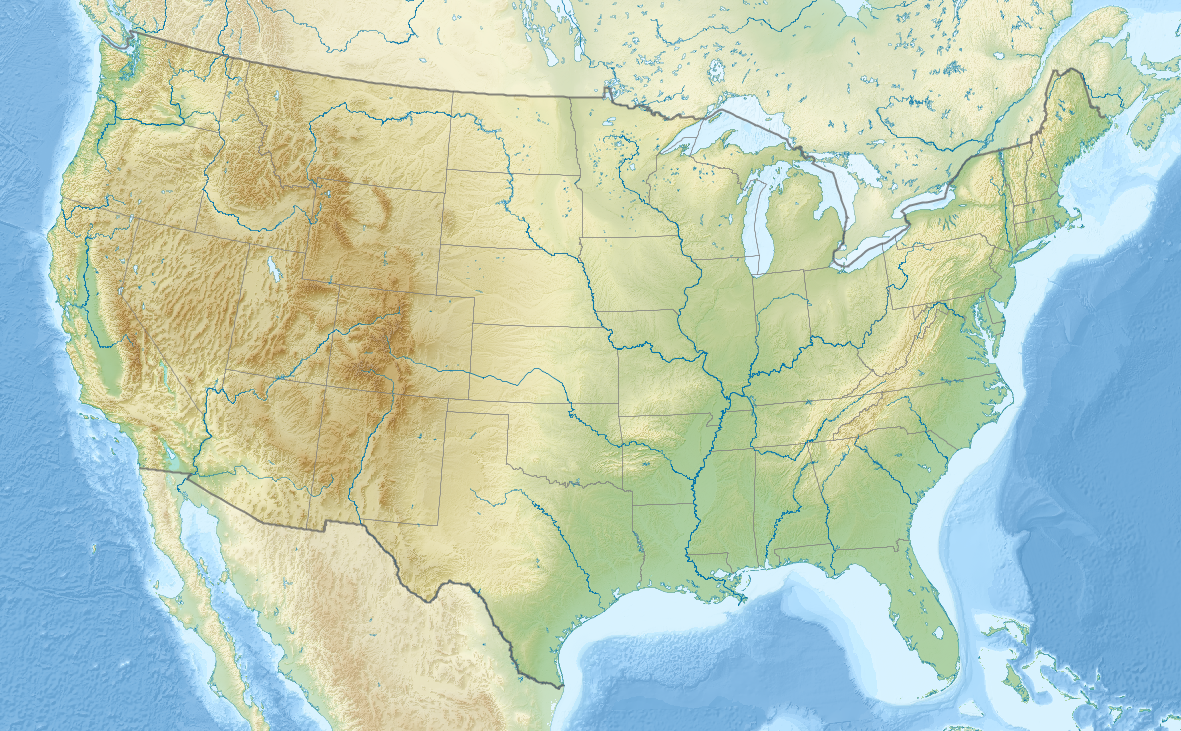
Palos Hills is a small city in Illinois within the United States and is part of the Chicago metropolitan region. It functions primarily as a residential suburb with a mix of single-family neighborhoods, small commercial corridors and municipal facilities. Residents value its quiet character, convenient access to regional roads, and proximity to natural areas.
Image gallery
3 Images

Geography and layout
The city sits in the southwest suburban ring of Chicago and is one of three neighboring communities that share the Palos name. Its landscape combines established residential blocks, local business strips and public green spaces. Many properties are within short drives of larger retail centers and recreational preserves, making it a typical example of midwestern suburban planning.
History and development
Originally settled on lands used for agriculture and small industry, the area experienced most of its growth after the mid-20th century as metropolitan Chicago expanded. Over time it transitioned from rural parcels to a suburban municipality with municipal services, schools and civic organizations. The community’s built form reflects postwar suburban development patterns with later infill and commercial updates.
Community, services and recreation
Palos Hills maintains public services such as parks, libraries, local police and public works departments; schools are served by regional school districts shared with neighboring suburbs. Outdoor recreation is a notable feature: residents make use of nearby forest preserves, walking trails and community parks for sports, nature walks and seasonal events.
Characteristics and notable facts
- Suburban residential character with small-business commercial areas.
- Close relationship to neighboring Palos communities and Cook County facilities.
- Access to regional transportation corridors and commuter options to Chicago.
- Local government provides community programming, parks and basic municipal services.
As part of the broader Chicago area, Palos Hills illustrates common suburban dynamics: a focus on neighborhood living, reliance on regional infrastructure, and ongoing efforts to balance development with preservation of green space and community amenities.
Related articles
Author
AlegsaOnline.com Palos Hills, Illinois — Suburban city in Cook County Leandro Alegsa
URL: https://en.alegsaonline.com/art/74260