
Palm Springs, Florida
Palm Springs is an incorporated village in Palm Beach County, Florida. This article summarizes its location, local government, community life, history, and how it differs from the better-known Palm Springs in California.
Overview
Palm Springs is an incorporated village in Palm Beach County in southeastern Florida. It is part of the South Florida metropolitan area and sits near the urban center of West Palm Beach. The village offers primarily residential neighborhoods together with small commercial corridors. Historically recorded population figures include an estimated 14,690 residents in 2004, and the community has seen demographic changes in step with the surrounding region.
Image gallery
5 Images


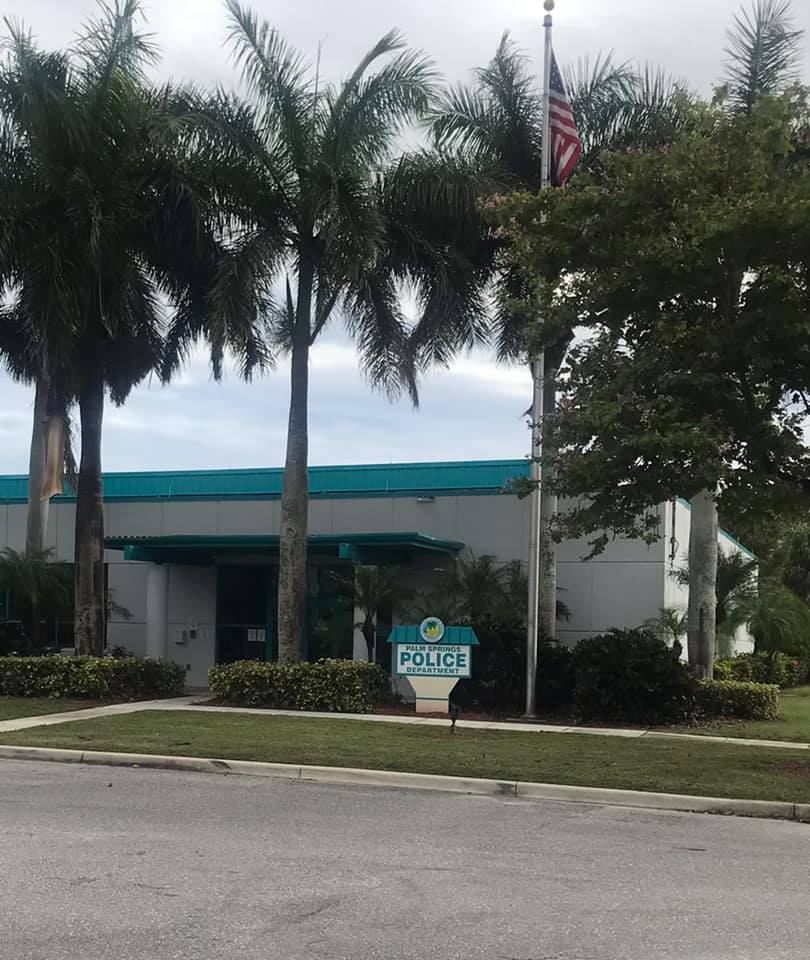
Geography and transportation
Palm Springs occupies a compact area within the coastal plain of Florida, with a landscape typical of the region: low elevation, developed parcels, and a subtropical climate. Its location provides relatively quick access to nearby urban services and facilities, including airports and shopping centers. Travelers and residents use local arterial roads to reach neighboring municipalities; for broader context see resources for the state of Florida and the United States. For municipal information consult the Village of Palm Springs.
Government and demographics
The village is governed locally by elected officials and municipal staff who manage public services such as public works, code enforcement, and local safety oversight. As with many small municipalities in South Florida, Palm Springs hosts a mix of age groups and household types, including retirees, families, and working professionals. Demographic and planning priorities emphasize housing, community services, and infrastructure maintenance rather than large industrial development.
Economy and community life
Palm Springs's economy is largely local and service-oriented. Small businesses, retail shops, professional services, and light commercial activity support the daily needs of residents. Community life centers on neighborhood parks, schools, and civic organizations. Typical amenities and features include:
- Local parks and recreational spaces for community events and outdoor activity.
- Neighborhood shopping strips and dining options catering to residents.
- Access to regional medical, cultural, and educational institutions in the nearby metropolitan area.
History and notable distinctions
Palm Springs developed as part of the post‑war expansion of South Florida; many of its neighborhoods were built or substantially changed in the mid‑20th century during the region’s growth. It is important to distinguish this village from the more famous Palm Springs in California: despite the shared name, they are separate communities with different climates, economies, and cultural identities. Palm Springs, Florida, is one of numerous small municipalities that together form the complex urban tapestry of the greater West Palm Beach area.
Related articles
Author
AlegsaOnline.com Palm Springs, Florida Leandro Alegsa
URL: https://en.alegsaonline.com/art/74224
Sources
- factfinder.census.gov : "American FactFinder"
- geonames.usgs.gov : "US Board on Geographic Names"
- census.gov : census.gov
- commons.wikimedia.org : Palm Springs, Florida