
Pakistani rock: origins, style, languages and cultural impact
Pakistani rock blends Western rock forms with local musical traditions. This article outlines its sound, instruments, linguistic diversity, history, social role and distinguishing features.
Overview
Pakistani rock is a regional expression of rock music that developed in Pakistan by combining elements of Western rock with South Asian melodic and rhythmic traditions. It is not a single uniform style but a broad category that includes mainstream rock, alternative and experimental subgenres. Lyrics, vocal style and instrumentation often reflect local traditions while adopting the electric energy and structural forms of rock.
Image gallery
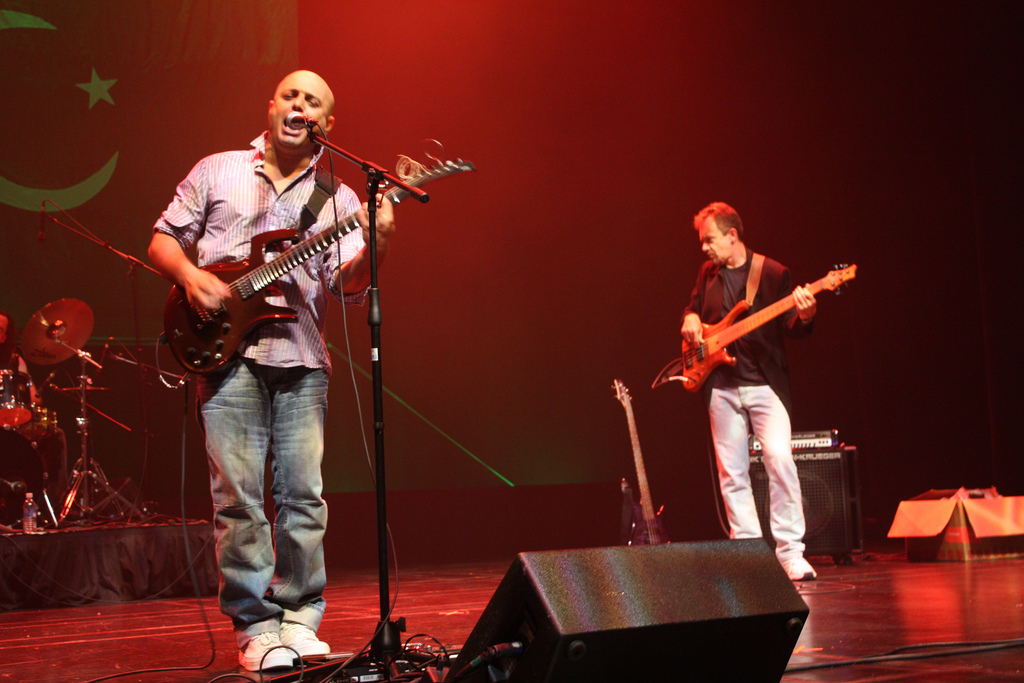
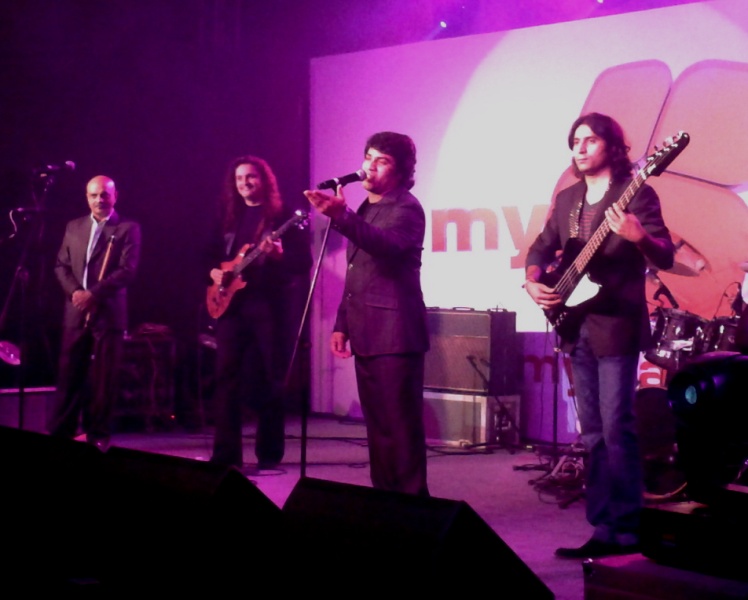
3 Images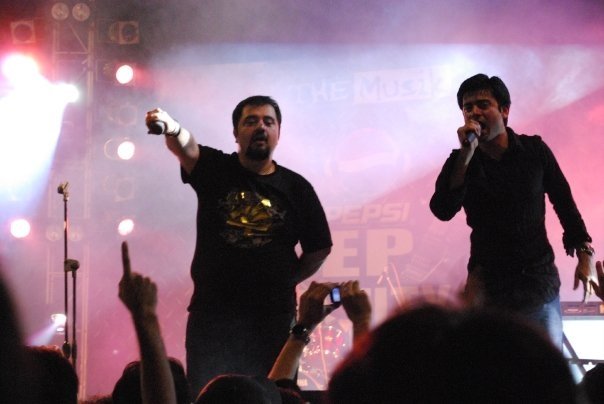
Characteristics and instruments
Musicians working in this style frequently fuse electric guitars, bass and drum kits with traditional instruments or patterns. Common features include modal melodies derived from regional classical and folk music, guitar-driven arrangements, and rhythmic patterns that may incorporate customary percussion. Typical instruments found in recordings and live shows include:
- Electric guitar and bass
- Drum kit and drum machines
- Traditional percussion such as tabla or dhol
- Melodic instruments like harmonium or sitar used for texture
- Keyboards and electronic effects
Languages and lyrics
Much Pakistani rock is performed in Urdu, but artists also write and record in regional languages such as Punjabi, Sindhi, Pashto and Seraiki. Increasingly, some bands choose English-language material for local and international audiences; an example of this trend is the emergence of groups labeled simply as bands that release songs in English.
History and development
The roots of Pakistani rock lie in the late 20th century when global rock influences reached South Asia via radio, records and later television and the internet. Local musicians adapted those influences to their own musical vocabulary, producing a range of styles from pop-rock to heavier and more experimental sounds. Over time the scene expanded through live venues, college festivals, and recording studios, and it has been shaped by changing media platforms and audience tastes.
Role and cultural significance
Pakistani rock has served as an outlet for artistic expression and social commentary, addressing themes such as youth identity, social change and cultural pride. Its hybrid nature makes it important for cultural exchange: it preserves regional melodic and poetic forms while bringing them into contemporary popular music formats. The scene continues to evolve as new musicians explore fusion, electronic production and multilingual songwriting.
Notable trends and distinctions
Distinct strands within Pakistani rock include Sufi-influenced rock, folk-rock fusion and alternative/indie currents. While rooted in local musical heritage, the genre remains connected to global rock trends, making it a dynamic and adaptive part of Pakistan's broader musical landscape.
Questions and answers
Q: What is Pakistani rock?
A: Pakistani rock is a type of rock music originating from Pakistan that blends Pakistani classical music with American rock.
Q: What are some distinct elements of Pakistani rock?
A: Pakistani rock has its own distinctive sounds and tunes.
Q: In what language is Pakistani rock mostly sung?
A: Pakistani rock is predominantly sung in Urdu.
Q: What are some other languages in which Pakistani rock is sung?
A: Pakistani rock is also sung in languages such as Punjabi, Sindhi, Pashto, and Seraiki.
Q: Are there any Pakistani rock bands that sing in English?
A: Yes, many new music bands in Pakistan are now singing in English.
Q: How does Pakistani rock differ from other types of rock music?
A: Pakistani rock is unique because it incorporates elements of Pakistani classical music, which gives it a distinct sound and style.
Q: What is the significance of Pakistani rock music?
A: Pakistani rock music has played an important role in the country's cultural and artistic scene, allowing Pakistani musicians to express themselves and connect with audiences both locally and internationally.
Related articles
Author
AlegsaOnline.com Pakistani rock: origins, style, languages and cultural impact Leandro Alegsa
URL: https://en.alegsaonline.com/art/74084
Sources
- pakistanmusic.info : pakistanmusic.info