
Pan flute (panpipe): history, design, and uses
A free-reedless wind instrument consisting of multiple tubes of graduated length. Discusses construction, cultural variants, historical development, playing techniques, and modern uses.
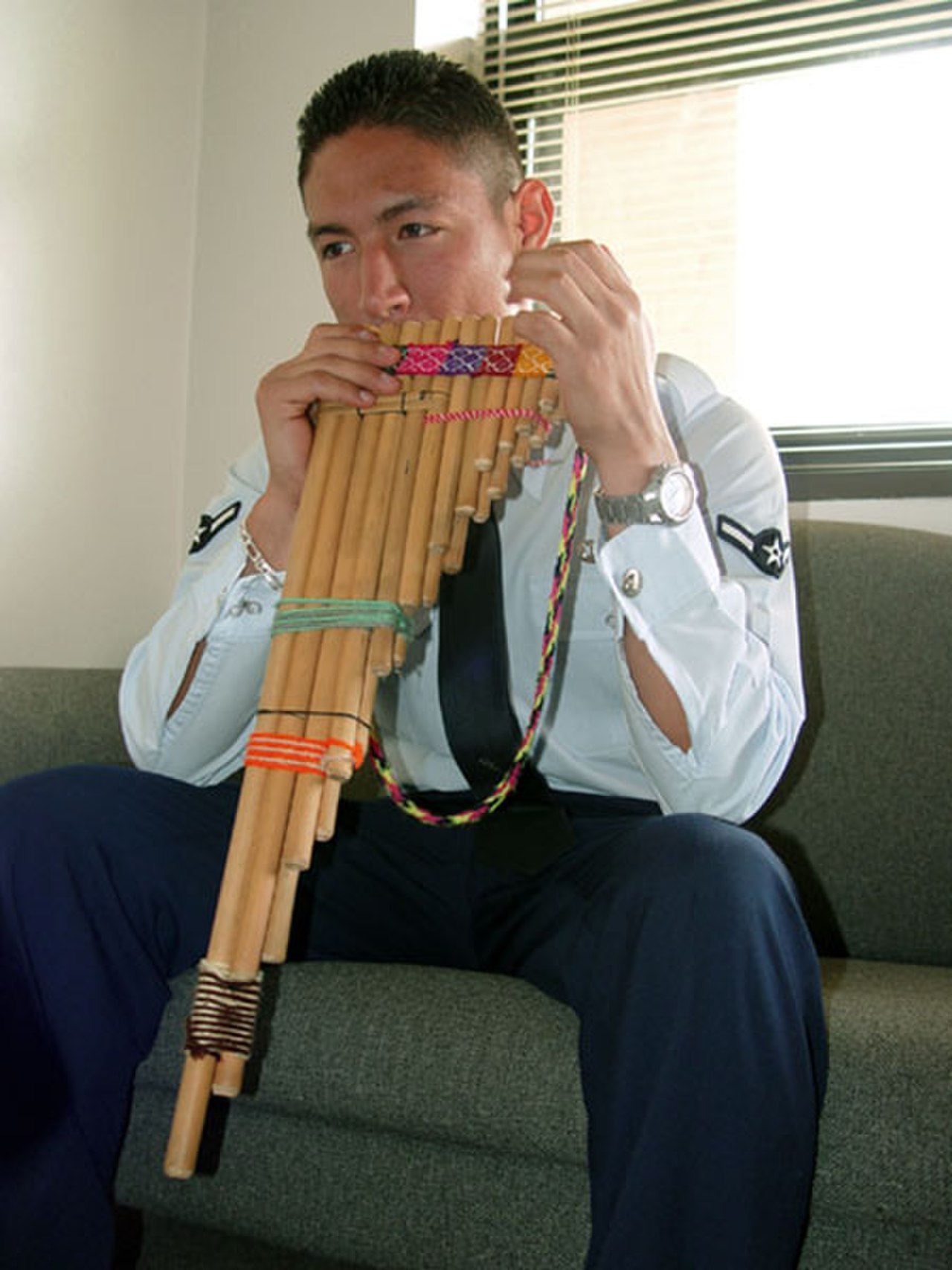
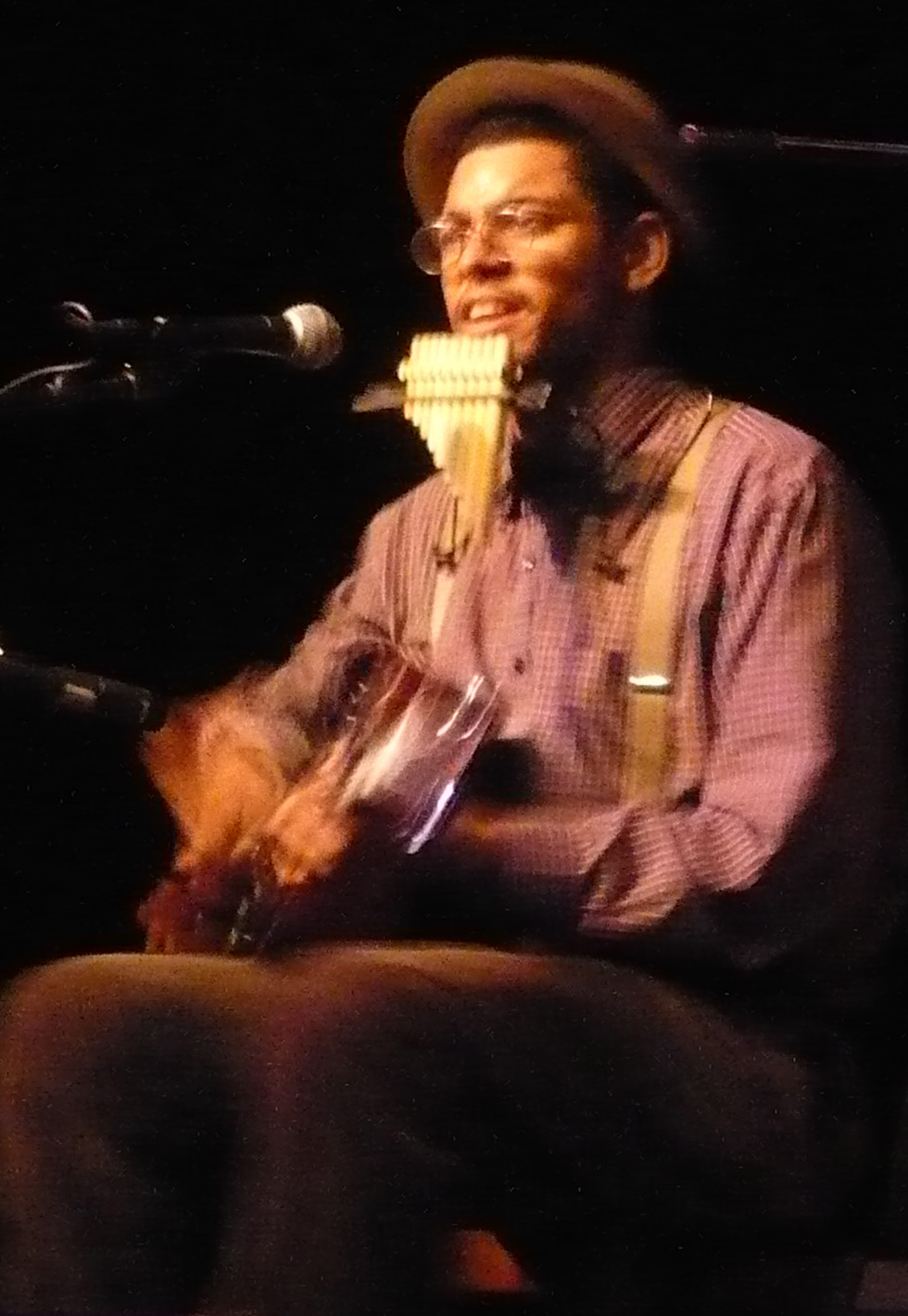
The pan flute, also called panpipe or panpipes, is a class of end-blown aerophones made from a row of closed pipes of gradually increasing length. Sound is produced by blowing across the open tops of individual tubes; each tube yields a single pitch determined primarily by its length and internal bore. The instrument exists in many forms worldwide and is associated with folk music, ritual use, and solo performance.
Image gallery
7 Images




Characteristics and construction
Typical pan flutes contain five or more pipes bound together into a single unit or several rows. Pipes may be made of cane, bamboo, wood, reed, clay, metal or modern plastics. Players change pitch by selecting different pipes, by altering embouchure angle, or by partially covering the pipe opening; fine tuning is often done with wax or by adjusting pipe length. Unlike transverse or recorders, pan flutes have no finger holes—the pitch is fixed by each pipe.
Names and regional types
- Ancient Greek form is called a syrinx and is linked to the myth of Pan.
- Romanian nai is a curved row of pipes with a characteristic bright timbre.
- Andean siku (or zampoña) typically has two interlocking rows, each played by different musicians in ensemble.
History and cultural context
Pan pipes have a long history across Eurasia, Africa and the Americas. Archaeological finds, artistic depictions and literary references place simple forms in antiquity. The instrument influenced other technologies: it is often described as a distant ancestor of keyed organs and free-reed instruments because of its principle of multiple fixed pipes producing different pitches. Over centuries it persisted as a folk instrument and experienced revivals in national and world-music movements of the 19th and 20th centuries.
Playing techniques and repertoire
Playing requires careful breath control, precise lip placement and coordination when switching pipes. Musicians use legato and staccato articulation, glissando effects by sliding between pipes, and octave shifts by varying breath intensity. Repertoire ranges from simple dance tunes and shepherd songs to contemporary compositions and film scores where its haunting, airy tone is often employed.
Uses, pedagogy and notable facts
Pan flutes are used in folk ensembles, classroom instruction and therapeutic music settings for breath training. They are easy to learn at a basic level yet capable of expressive nuance in experienced hands. For broader context on wind instruments see related instruments, for historical links to organ technology see organ history, and for descendants in small free-reed designs see harmonica family.
Related articles
Author
AlegsaOnline.com Pan flute (panpipe): history, design, and uses Leandro Alegsa
URL: https://en.alegsaonline.com/art/74294