
Page layout: principles, elements, history and practical uses
Page layout is the arrangement of visual and textual elements on a page. It combines typographic, structural, and aesthetic choices to create readable, usable, and attractive documents in print and digital media.
Page layout is the practice of arranging text, images and other elements within a defined page area. It sits at the intersection of typography and graphic design, and involves choices about the arrangement and style of content to support communication, hierarchy and reading flow. Good layout balances clarity, emphasis and visual rhythm.
Image gallery
2 Images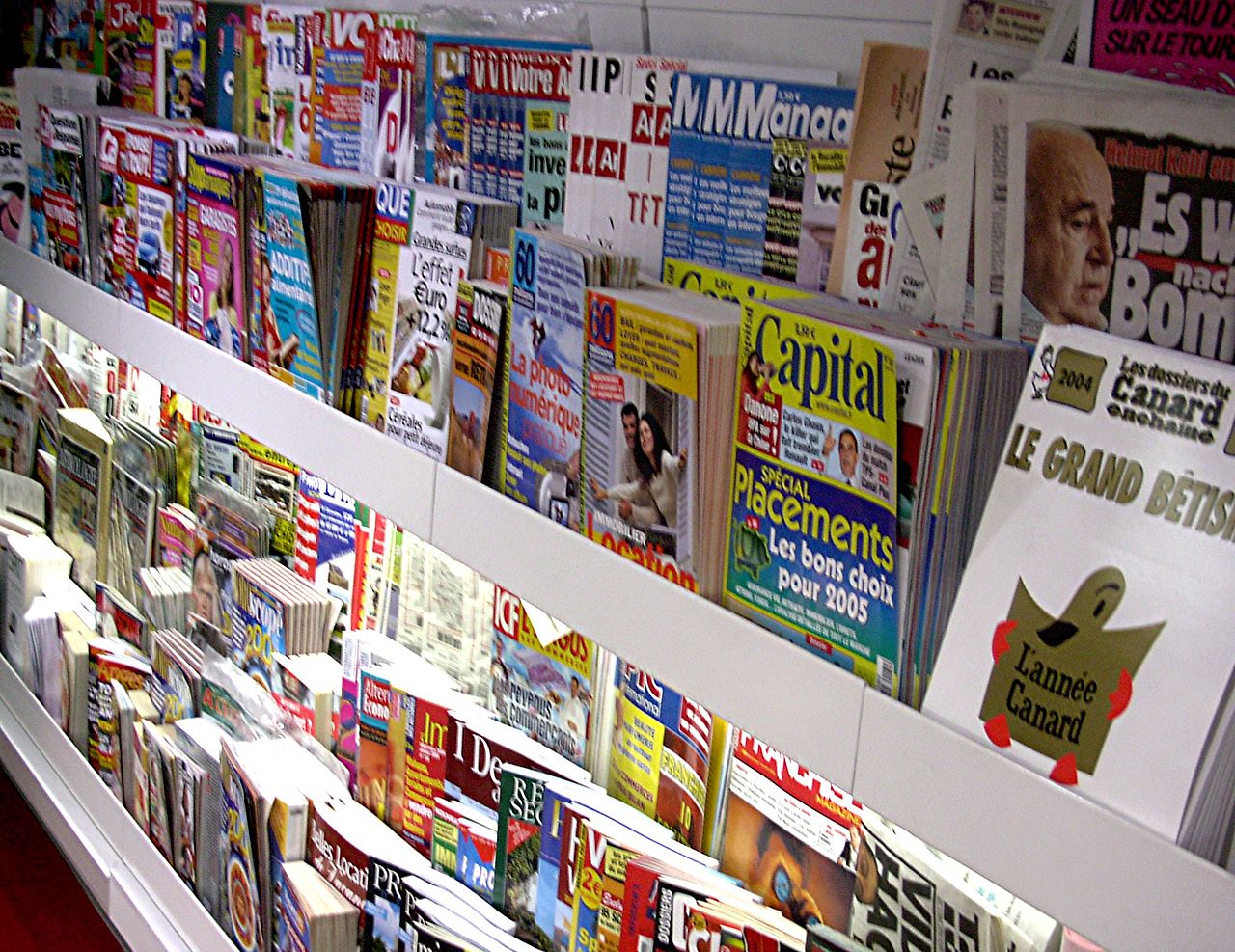

Elements and structure
Common components of a page layout include margins, columns, gutters, grids, headers and footers, text blocks, captions and image frames. Designers use a grid or module system to align elements and establish consistent spacing. Key concerns are:
- Hierarchy: typographic scale, weight and color to indicate importance.
- Alignment: consistent baselines and edges for visual order.
- White space: breathing room that improves legibility.
History and development
Layout practices evolved from handwritten manuscripts to movable-type printing, which introduced standardized page measures and margins. The 20th century saw formal grid systems in modernist design and the rise of magazines and newspapers. Digital tools and responsive web techniques have expanded layout into flexible, interactive formats.
Uses and examples
Page layout applies across books, newspapers, magazines, posters, brochures, packaging and digital interfaces. Examples include multi-column newspaper spreads, magazine features with image-caption relationships, and web pages that adapt columns to screen size. Designers choose different approaches depending on function: dense information (newspapers) versus visual storytelling (magazines).
Principles and notable considerations
Practical layout balances readability, accessibility and brand identity. Important distinctions include fixed versus responsive layouts, grid-based versus freeform composition, and print-specific issues such as bleed and crop marks. Accessibility considerations—contrast, font size, and clear structure—ensure content is usable by diverse readers.
Tools for layout range from traditional paste-up and manual grids to software like page-layout applications and web frameworks. Understanding underlying principles helps designers adapt layouts to medium, audience and content while maintaining coherence and purpose.
Related articles
Author
AlegsaOnline.com Page layout: principles, elements, history and practical uses Leandro Alegsa
URL: https://en.alegsaonline.com/art/73993