
Flamenco: Andalusian song, guitar and dance tradition
Flamenco is a musical and dance art from Andalusia, Spain, combining cante (song), toque (guitar), baile (dance) and rhythmic clapping. It developed among Andalusian Romani communities and is a UNESCO-recognized heritage.
Overview
Flamenco is an expressive art form that fuses singing, instrumental music and dance into intensely emotional performance. Originating in the southern Spanish region of Andalusia within Spain, flamenco has become one of the country’s most recognizable cultural exports and a popular form of entertainment worldwide. It is characterized by passionate vocal delivery, intricate guitar work, percussive footwork and rhythmic hand clapping.
Image gallery
10 Images


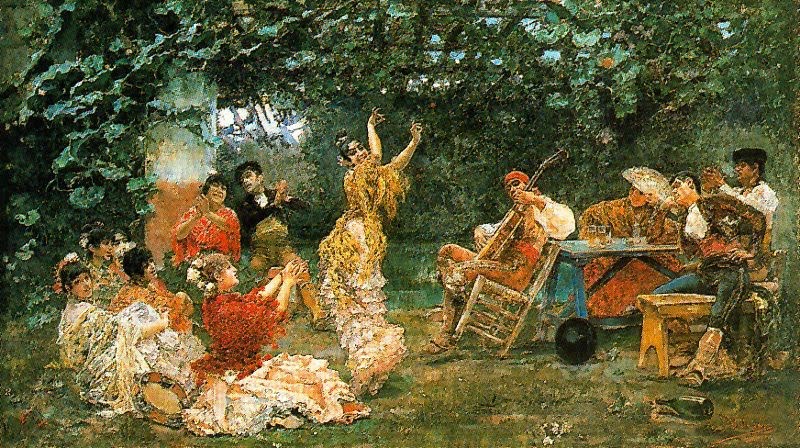


Core components and performance
Traditional flamenco performance brings together several interdependent elements. The main components are:
- Cante – the singing, often raw and profound in tone.
- Toque – guitar playing that provides harmony, melody and complex rhythms; the flamenco guitar style differs from classical techniques and is central to the idiom (guitar).
- Baile – the dance, distinguished by expressive posture, hand and arm movements, and percussive heel work.
- Palmas and jaleo – rhythmic hand clapping, shouts of encouragement and other body percussion that drive the compás (rhythmic cycle).
Structure, styles and instruments
Flamenco is organized into styles known as palos, each with its own rhythm, mode and traditional mood. Some palos are solemn and slow, others fast and exuberant. Performers follow a flexible structure that allows improvisation within established rhythmic patterns called compás. Typical instruments include the nylon-stringed flamenco guitar, cajón (box drum), and occasionally castanets or violin; vocals often remain the focal point.
Origins and historical development
The exact origins of flamenco are complex and debated. Its emergence is commonly traced to Andalusia, where diverse cultural influences — including Romani (Gitano) traditions, Andalusian folk music, Byzantine, Moorish and Sephardic elements — interacted over centuries. Romani communities in Andalusia played a significant role in shaping flamenco’s aesthetic and repertoire. The word "flamenco" appears in records from the late 18th century, but the art form likely consolidated earlier.
Performance practice and contemporary evolution
Historically, flamenco songs were performed without guitar accompaniment; by the 19th century the guitar became integral, and solo guitar concerts emerged in the later 19th and 20th centuries. Modern flamenco ranges from traditional tablaos and intimate cafés cantantes to large concert halls and cross-genre collaborations with jazz, classical and pop musicians. Dance presentation can vary from strict folkloric costume to contemporary stage choreography.
Importance, recognition and distinctions
Flamenco is prized for its emotional intensity, technical virtuosity and cultural significance. In recognition of its value as a living cultural practice, UNESCO inscribed flamenco on the list of Intangible Cultural Heritage on November 16, 2010 (UNESCO listing). Flamenco should be distinguished from other Spanish dances—such as the classical Spanish ballet or regional folk dances—by its improvisatory cante, compás-based structure and deep links to Andalusian and Romani communities (Andalusian Romani).
For further reading on performance contexts, historical sources and contemporary artists, consult festival programs, specialized musicology resources and cultural guides that document both traditional entertainment settings and modern reinterpretations. Academic and popular resources provide complementary perspectives on this rich, evolving art form (Andalusia, Spain, guitar, UNESCO).
Questions and answers
Q: What is flamenco?
A: Flamenco is a style of baile that involves song, music and dance, which is very popular in Spain and known worldwide.
Q: Where did flamenco originate?
A: Flamenco originated in Andalusia in Spain, and its evolution was influenced by Andalusian gypsies.
Q: When was the term 'flamenco' first recorded?
A: The term 'flamenco' was first recorded in the late 18th century, although many believe the art form is much older.
Q: What elements are included in flamenco?
A: Flamenco includes acoustic guitar music, singing, hand claps, heel stamps, and castanets. It is danced by a man and a woman in traditional Spanish costumes and has no set tempo.
Q: How has flamenco performance evolved over time?
A: In the beginning, songs were sung without any guitar accompaniment. During the 19th century, the guitar was used to accompany songs, and since the second half of the 19th century, the solo guitar is played in flamenco concerts.
Q: Why was Flamenco declared one of the Masterpieces of the Oral and Intangible Heritage of Humanity?
A: On November 16, 2010, UNESCO declared Flamenco one of the Masterpieces of the Oral and Intangible Heritage of Humanity due to its cultural significance and value.
Q: What is the climax of a flamenco dance?
A: The dance has no set tempo and may have both fast and slow passages, rising to a climax near the end.
Related articles
Author
AlegsaOnline.com Flamenco: Andalusian song, guitar and dance tradition Leandro Alegsa
URL: https://en.alegsaonline.com/art/34991
Sources
- questia.com : Flamenco: Gypsy Dance and Music from Andalusia
- simple.wiktionary.org : Intangible
- unesco.org : unesco.org/en/culture