
Sardar Aurangzeb Khan — Gandapur Pashtun politician and diplomat (1899–1965)
Gandapur Pashtun leader from Dera Ismail Khan (1899–1965). Joined the All-India Muslim League, served in NWFP legislature, attended the 1940 Lahore session, briefly led the province, and later represented Pakistan in Burma.
Overview
Sardar Aurangzeb Khan (1899–1965) was a regional political leader and diplomat from the Dera Ismail Khan district of the North-West Frontier Province (NWFP), British India, now in Khyber Pakhtunkhwa. He belonged to the Gandapur Pashtun tribe and a landed family and became active in politics during the late 1930s. He is best known for his membership of the All-India Muslim League, his participation in the 1940 Lahore session, a brief period as head of the provincial government, and later service in Pakistan's early diplomatic corps.
Image gallery
1 Image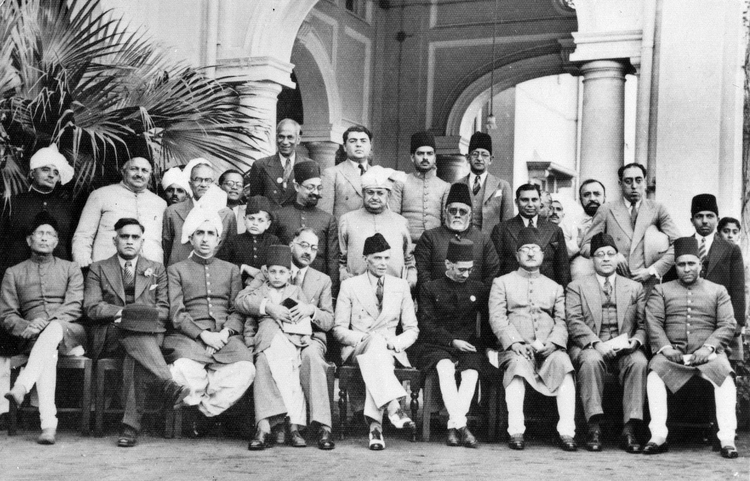
Background and social context
Aurangzeb Khan came from a rural notable family in the Dera Ismail Khan area. The Gandapur are a Pashtun tribal group with social and political influence in parts of the frontier region. As a landowner and tribal notable, Aurangzeb Khan represented a type of leadership that bridged customary tribal authority and the formal institutions created under British rule. His local standing provided a base for election to the provincial legislature and for representing frontier interests within a wider Muslim League network centered on urban and provincial elites.
Entry into provincial politics
He joined the All-India Muslim League in 1937 and in the same year was elected to the NWFP Legislative Assembly. Provincial politics in the NWFP at that time were plural and competitive, involving the Indian National Congress, regional movements, and the Muslim League as it sought to expand its influence into frontier districts. Aurangzeb Khan's election reflected both his local social position and the League's effort to incorporate leaders from diverse regions.
Role at the 1940 Lahore session
In 1940 Aurangzeb Khan was among the provincial delegates sent to the All-India Muslim League's session in Lahore. He served on a Working Committee that took part in drafting what became known as the Lahore Resolution. The resolution articulated demands for autonomy for Muslim-majority regions and later became a foundational reference point for the Pakistan movement. His participation illustrates how representatives from frontier provinces contributed to discussions that had national significance and symbolized the League's reach into different provinces, including frontier districts such as Dera Ismail Khan and adjoining areas.
Chief ministership and provincial administration
During the mid-1940s Aurangzeb Khan served briefly as the head of the provincial government in the NWFP. Contemporary accounts describe his tenure as short and followed by removal from office; provincial administrations in the frontier experienced frequent changes amid wartime adjustments, political rivalries, and the complex relationship between colonial authorities and local leaders. The specifics of provincial politics in this period are often treated cautiously in sources, but his service is recorded as part of the broader pattern of shifting leadership in the run-up to independence.
Diplomatic service after 1947
Following the creation of Pakistan in 1947, Aurangzeb Khan moved into diplomatic service. He served as Pakistan's envoy to Burma for a period, representing the newly established state in a neighbouring region undergoing its own post-colonial transitions. His appointment to a foreign posting was consistent with a pattern in which experienced provincial politicians were given roles in the national administration and foreign service as the new country organized its institutions and international relations.
Personal life, death, and legacy
Details of Aurangzeb Khan's private life are sparingly recorded in general reference sources; he is primarily visible in historical accounts through his public roles. He died in 1965. Historians and regional studies commonly note him as an example of a frontier landowner who played a supporting but tangible role in the Muslim League's provincial expansion and in the administrative life of early Pakistan.
Significance and assessment
- Regional representation: His career highlights how tribal and landed elites from frontier districts participated in wider constitutional and political debates of the 1930s and 1940s.
- Contribution to the Pakistan movement: Participation in the 1940 session and the Working Committee associates him with the deliberations that shaped the Lahore Resolution (Lahore session), though he was not among the most prominent national leaders.
- Transition to state service: Like several contemporaries, he moved from provincial politics to a role in the diplomatic corps after independence, helping the new state establish representation abroad.
Today Aurangzeb Khan is principally remembered in regional histories of the NWFP and in studies of the Muslim League as a provincial figure who connected local frontier politics with national developments. His life exemplifies the multifaceted roles played by local notables during a period of rapid political change, from rural authority and provincial administration to participation in early state diplomacy.
Related articles
Author
AlegsaOnline.com Sardar Aurangzeb Khan — Gandapur Pashtun politician and diplomat (1899–1965) Leandro Alegsa
URL: https://en.alegsaonline.com/art/7384