
Austen Chamberlain: British statesman and Nobel Peace Prize laureate
Biography of Sir Austen Chamberlain (1863–1937), a leading British Conservative statesman, diplomat behind the Locarno Treaties and co-recipient of the 1925 Nobel Peace Prize.
Overview
Sir Joseph Austen Chamberlain (16 October 1863 – 17 March 1937) was a prominent British statesman and senior Conservative politician. He is best remembered for his role in post‑World War I diplomacy and for sharing the Nobel Peace Prize in 1925 for his contribution to the Locarno agreements, which aimed to stabilize relations in western Europe. Contemporary accounts emphasize his moderation, diplomatic skill and public service over several decades.
Image gallery
8 Images


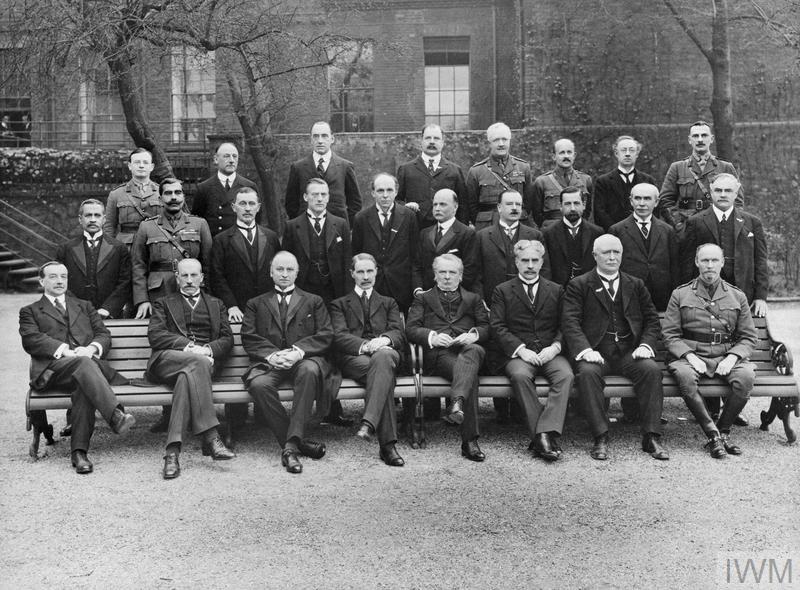

Political career and public roles
Chamberlain spent much of his adult life in Parliament and in government. Over the course of a long parliamentary career he held several senior cabinet offices and took a leading part in foreign policy during the 1920s. As a minister he was involved in efforts to rebuild political and economic normality after the First World War, and he developed a reputation for cautious conciliation when dealing with international disputes.
Major achievements
- Key participant in negotiations that produced the Locarno Treaties, an initiative that sought to secure borders and reduce tensions in western Europe after 1919.
- Co‑recipient of the 1925 Nobel Peace Prize in recognition of his contribution to international reconciliation and treaty-making.
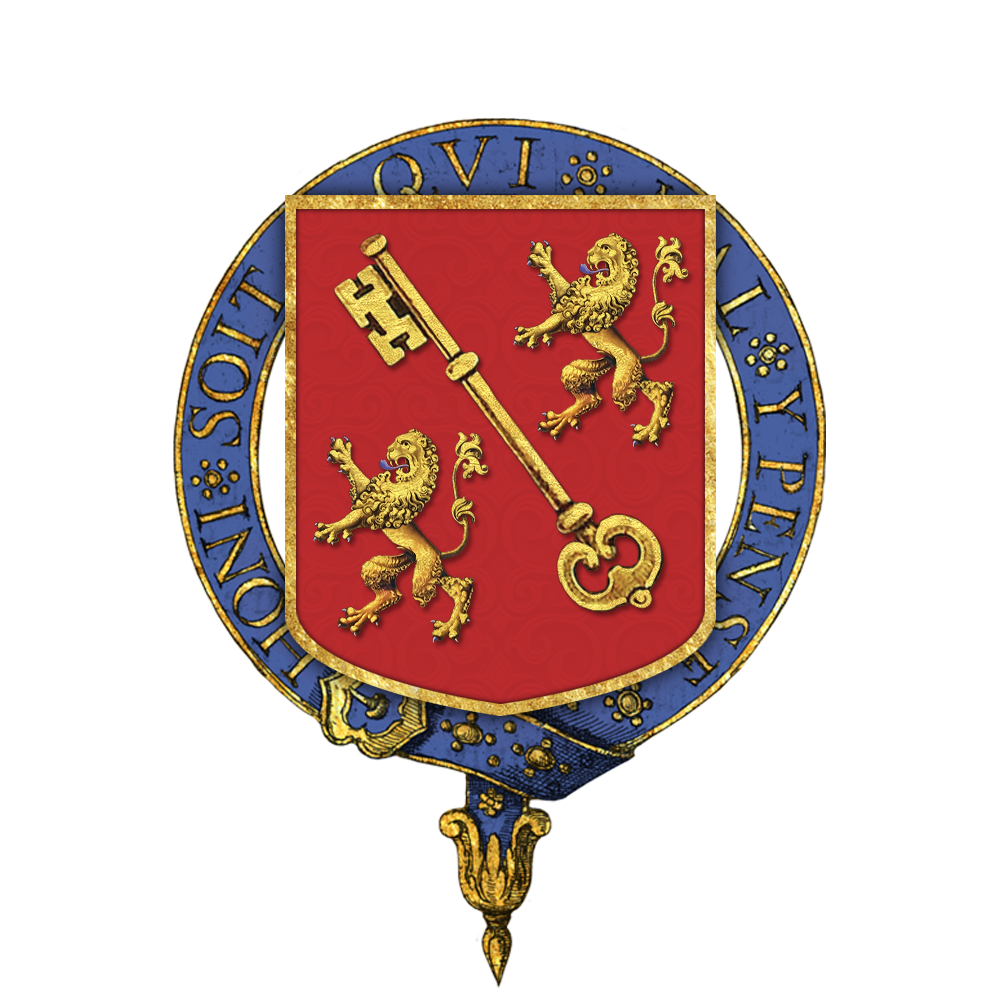
- Long‑standing Member of Parliament and holder of high office within the Conservative tradition, honored later in life with high chivalric distinction.
Family background and personal life
Austen Chamberlain came from a notable political family. He was the son of Joseph Chamberlain, a leading Victorian statesman and political reformer, and he was the half‑brother of Neville Chamberlain, who later became British prime minister. The family connections helped shape his public career, but Austen Chamberlain is also remembered for his own diplomatic accomplishments and public profile. More details about his family and early life can be consulted in contemporary biographies and authoritative reference works.
Significance and legacy
Chamberlain's principal historical legacy rests on his contribution to interwar diplomacy and his advocacy for negotiated settlement of disputes. The Locarno framework he helped to construct was praised at the time for promoting stability and was one of the reasons he was awarded the Nobel Peace Prize. Historians note that while the treaties did not prevent later conflicts, they reflected an important attempt to bind states to peaceful rules and collective guarantees. His career illustrates the challenges faced by British statesmen attempting to reconcile security, public opinion and the shifting balance of power in Europe.
Further reading and references
For introductory resources and primary documents consult biographical entries and collections that cover British politics in the late 19th and early 20th centuries. Useful starting points include general biographies and archival summaries: biographical overview, contemporary news and parliamentary records such as those noting his birth in 1863 and his death in 1937. For his national identity and political classification see summaries labeled British or politician. For family background consult profiles of his father, Joseph Chamberlain, and his half‑brother, Neville Chamberlain.
Readers seeking a deeper study should look for specialized monographs and documentary collections that analyze the Locarno negotiations, the interwar foreign policy of Britain, and the parliamentary record of Austen Chamberlain's long public service.
Questions and answers
Q: Who was Austen Chamberlain?
A: Austen Chamberlain was a British politician who lived from 1863 to 1937.
Q: What was Austen Chamberlain known for?
A: Austen Chamberlain was known for receiving the Nobel Peace Prize in 1925.
Q: Did Joseph Chamberlain have any other famous family members?
A: Yes, Joseph Chamberlain's half-brother (different mothers) was Neville Chamberlain, who served as British Prime Minister from 1937 to 1940.
Q: Was Austen Chamberlain related to any other important politicians?
A: Yes, Austen Chamberlain's father was also an important politician, Joseph Chamberlain.
Q: What is the significance of the Nobel Peace Prize award that Austen Chamberlain received?
A: The Nobel Peace Prize is a prestigious award given to individuals or organizations for their contributions towards promoting peace and resolving conflicts.
Q: When did Austen Chamberlain live?
A: Austen Chamberlain lived from 1863 to 1937.
Q: What is the difference between Joseph Chamberlain and Neville Chamberlain?
A: Joseph Chamberlain is Austen Chamberlain's father and was an important politician, whereas Neville Chamberlain is Austen's half-brother from a different mother and also served as British Prime Minister.
Related articles
Author
AlegsaOnline.com Austen Chamberlain: British statesman and Nobel Peace Prize laureate Leandro Alegsa
URL: https://en.alegsaonline.com/art/7434