
Over-the-counter drug (OTC): definition, regulation, and safe use
An accessible overview of over-the-counter drugs: what they are, common types and uses, regulatory frameworks, safety considerations, and distinctions such as pharmacist-only products.
Overview
Over-the-counter drugs (OTC) are medicinal products that consumers can buy without a prescription from a licensed clinician. They are intended for self-care of common, short-term or mild conditions when used according to label directions. OTC status does not mean a medicine is without risk; rather, regulators judge that the benefits of non-prescription use outweigh the potential harms when users follow the approved instructions.
Image gallery
3 Images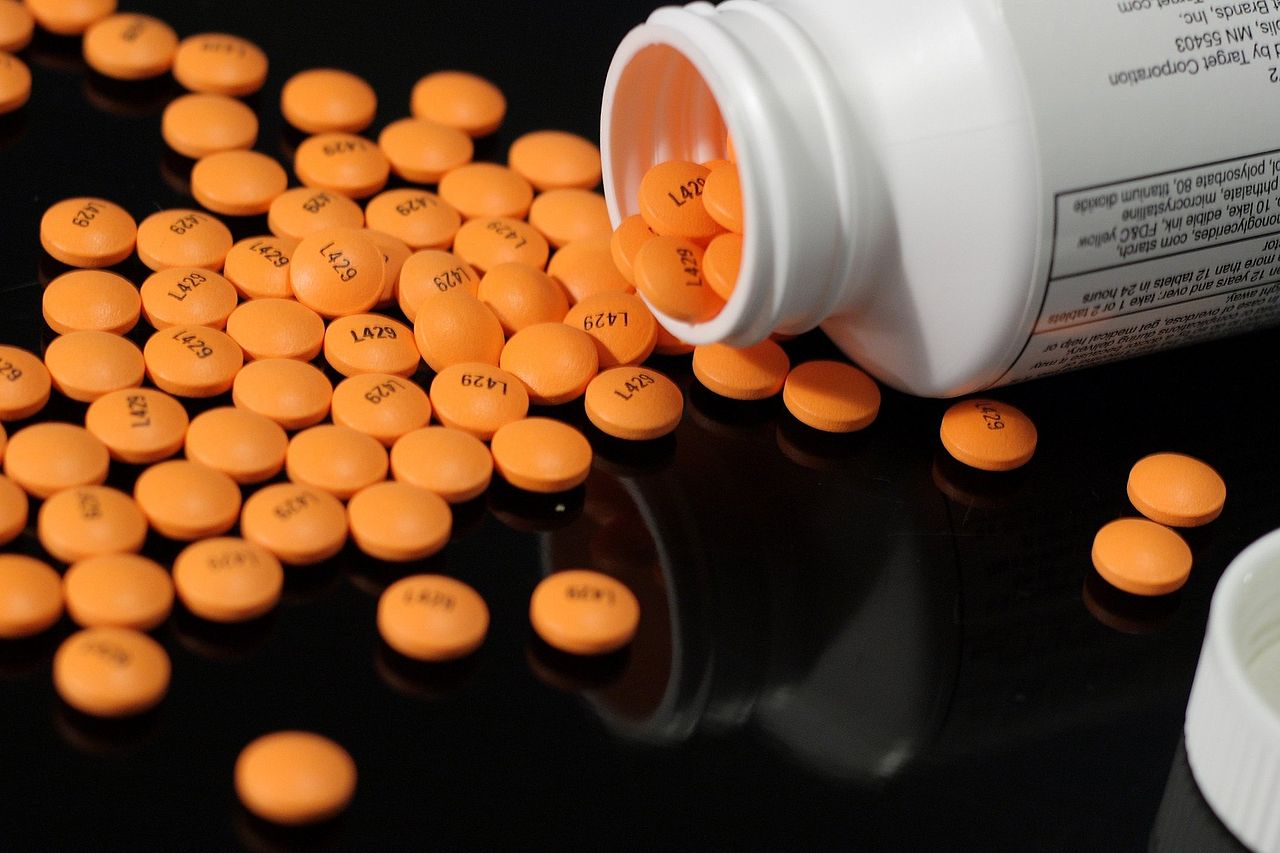

Characteristics and labeling
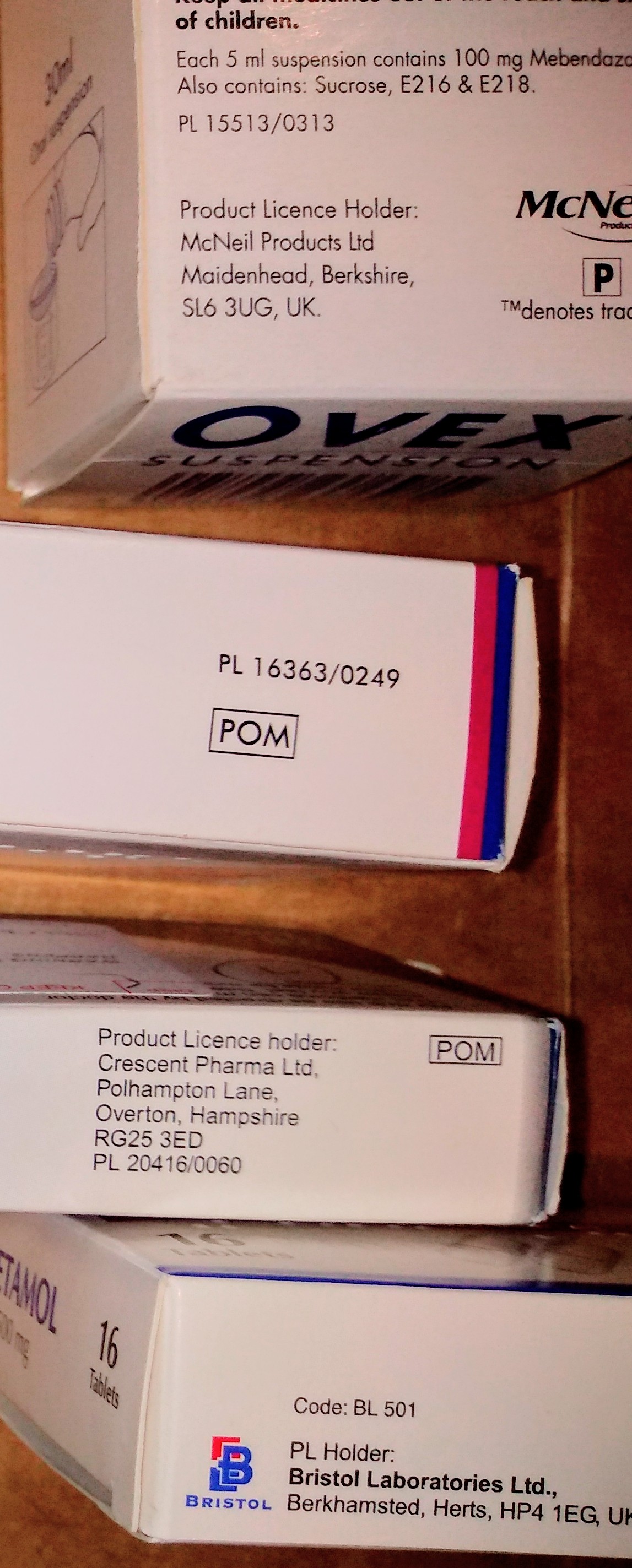
OTC medicines are required to display clear labeling that lists active ingredients, intended uses, dosage directions, warnings, contraindications, and storage instructions. Labels are designed so people can understand when a product is appropriate and when to seek professional medical advice. Ingredients are normally named generically (for example, acetaminophen, ibuprofen, or diphenhydramine) rather than by brand. When in doubt, a pharmacist can help interpret labels and check for possible interactions with other drugs or health conditions.
Regulation and classifications
National regulatory authorities determine which medicines may be sold OTC and set standards for safety and labeling. In the United States, agencies such as the FDA and related authorities oversee product approvals and advertising claims. Some jurisdictions use intermediate categories: "pharmacy-only" or "behind-the-counter" items are available without a prescription but are sold only through a pharmacy and may require a pharmacist’s check before the sale. Products that once required a prescription can be switched to OTC status after evidence shows that consumers can use them safely without direct medical supervision.
Common types and uses
OTC drugs cover a wide range of therapeutic needs. Typical categories include:
- Analgesics and antipyretics (pain relief and fever control), such as acetaminophen and nonsteroidal anti-inflammatory agents.
- Antihistamines and decongestants for allergic symptoms and colds.
- Antacids, laxatives, and antidiarrheals for digestive complaints.
- Topical agents such as antiseptics, insect bite treatments, and sunscreens.
- Specialized items like emergency contraception, which in some places is available without a prescription but may be sold with pharmacist oversight; see emergency contraception guidance.
Safety, misuse, and interactions
While generally safe when used as labeled, OTC drugs can cause adverse effects, allergic reactions, overdose, or harmful interactions with prescription medicines and alcohol. Common risks include dosing errors, prolonged use masking a more serious condition, and use by people with contraindicating medical conditions. Consumers should read warnings carefully and consult a pharmacist or a clinician if symptoms persist, before combining products, during pregnancy, or when treating children or older adults.
Access, trends, and notable distinctions
OTC availability increases access to basic treatments and reduces burden on healthcare systems, but regulatory approaches vary internationally. Some countries maintain stricter pharmacy controls, while others allow wider retail sales. The process by which a medicine moves from prescription-only to OTC—sometimes called "Rx-to-OTC switch"—is governed by evidence of safety in real-world self-use. The distinction between OTC, pharmacy-only, and prescription medicines is important for both public health policy and individual decision-making.
For more information on regulations and consumer guidance consult official national agencies or speak with a licensed pharmacist or healthcare professional.
Related articles
Author
AlegsaOnline.com Over-the-counter drug (OTC): definition, regulation, and safe use Leandro Alegsa
URL: https://en.alegsaonline.com/art/73701