
Ouida (Marie Louise de la Ramée)
Ouida was the pen name of Marie Louise de la Ramée (1839–1908), an English novelist known for melodramatic fiction, vivid prose, and social commentary; she was popular in the Victorian era and spent much of her life abroad.
Ouida was the best-known pen name of Marie Louise de la Ramée (born Maria Louise Ramé, 1839–1908), an English novelist and short‑story writer of French and English parentage. She achieved wide popularity in the late 19th century for energetic, melodramatic narratives that blended romance, adventure and moral concern. Her readership extended across Britain and the English-speaking world, and her name remains attached to several widely read titles.
Image gallery
6 Images


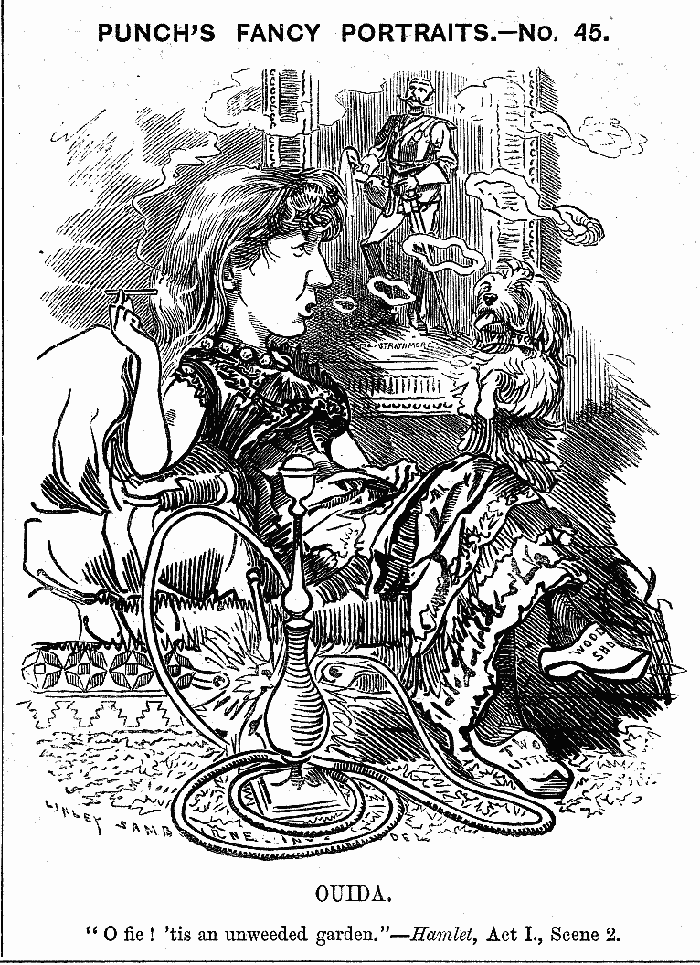

Name and early life
Her pseudonym—commonly written "Ouida"—derived from the infantile way she pronounced her given name. Born in Bury St Edmunds, England, she preferred the continental styling Marie Louise de la Ramée in adult life. Although she was English by birth, she maintained a cosmopolitan identity, spending much of her career living on the Continent.
Literary career and style
Ouida's fiction is characterized by vivid description, dramatic plotting and moral urgency. She wrote novels, novellas and short stories that frequently depicted aristocratic milieus, exotic locales and intense personal conflicts. Her prose could be ornate and impulsive; she balanced sensational episodes with pointed observations about social inequality, the treatment of women and the welfare of animals. Critics of her day were often divided between admiration for her storytelling and dislike of her rhetorical flamboyance.
Major works
- Under Two Flags — perhaps her most enduring novel, combining romance and adventure.
- A Dog of Flanders — a sentimental story about loyalty and poverty that found special popularity in parts of Europe and beyond.
- Idalia and other society novels — exploring passion, reputation and the constraints placed on women.
- Numerous shorter pieces and collections that reached magazine readers of the era.
For lists and editions of her work see general bibliographies and online catalogs: selected works and contemporary anthologies provide accessible entry points.
Reception, legacy and notable facts
In Ouida's lifetime she was a commercial success and a recognizable public figure, alternately celebrated and satirized. Her writing influenced popular fiction of the late Victorian period and contributed to debates about taste and morality in literature. She was known for her affection for animals and outspoken views on social subjects. Modern readers and scholars study her for what her output reveals about popular culture, gender expectations and transnational literary markets in the 19th century.
For biography and context consult authoritative resources: a general biography (biographical overview), critical studies (scholarly analysis) and archival holdings or primary texts (manuscripts and editions). These sources offer further detail on Ouida's life, travels, and continuing presence in literary histories.
Related articles
Author
AlegsaOnline.com Ouida (Marie Louise de la Ramée) Leandro Alegsa
URL: https://en.alegsaonline.com/art/73597