
Oveta Culp Hobby: Army leader, federal official, and media executive
Profile of Oveta Culp Hobby (1905–1995), a pioneering leader who directed the Women’s Army Corps, became the first secretary of HEW, and chaired the Houston Post board.
Oveta Culp Hobby was an American public figure best known for leading the Women’s Army Corps during World War II, serving as the inaugural secretary of the federal Department of Health, Education, and Welfare, and later guiding a major Texas newspaper. She was born January 19, 1905 and died August 16, 1995, leaving a legacy as a pioneer for women in both military and civilian leadership.
Image gallery
5 Images

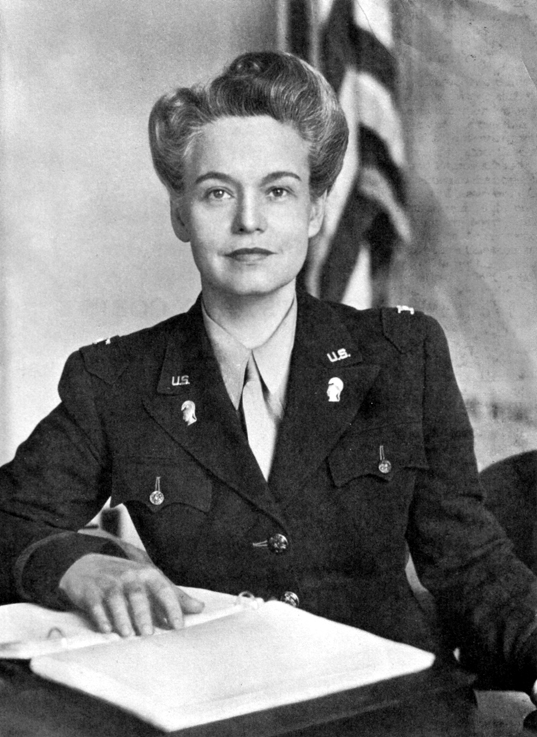


Early life and legal career
Hobby came of age in the early 20th century and trained for a professional career at a time when few women did. Born in 1905, she pursued education and entered the legal and civic arenas in Texas, building experience in public affairs and journalism that would inform her later roles in government and media.
Military leadership
During World War II Hobby was tapped to organize and lead the Women’s Army Corps. As the first commanding officer, she oversaw recruitment, training, and administration for thousands of women who served in noncombatant military posts. Her stewardship helped establish standards and structures that shaped how the U.S. military used women’s skills in wartime and afterward.
Federal service
In the 1950s she moved from military to civilian public service when President Dwight D. Eisenhower appointed her the first secretary of the newly formed Department of Health, Education, and Welfare. In that role she helped set organizational priorities for a cabinet-level agency charged with broad social responsibilities and civil programs.
Media and civic leadership
After government service Hobby returned to Texas and took on leadership in the private sector, including serving as chairman of the board for the Houston Post. She remained active in civic affairs, using her editorial and managerial positions to influence public discussion on health, education, and community issues.
Legacy and recognition
Hobby is remembered as a trailblazer who bridged military, governmental, and media worlds at a time when women were underrepresented in all three. Her career is often cited in studies of women’s expanding roles in the 20th century, and contemporary accounts and obituaries reflect on her blend of administrative skill and public service after her death. Notable roles and positions include:
- First commanding officer, Women’s Army Corps
- First secretary, Department of Health, Education, and Welfare
- Chairman of the board, Houston Post
Related articles
Author
AlegsaOnline.com Oveta Culp Hobby: Army leader, federal official, and media executive Leandro Alegsa
URL: https://en.alegsaonline.com/art/73743