
Ouham (prefecture of the Central African Republic)
Ouham is a prefecture in the northwestern Central African Republic with capital Bossangoa. It is a largely rural region defined by savanna landscapes, river valleys and a history shaped by colonial rule and recent instability.
Overview
Ouham is one of the 16 administrative prefectures of the Central African Republic. Its capital and principal town is Bossangoa. The prefecture takes its name from the Ouham River, which crosses the region and has historically shaped settlement patterns and local transport.
Image gallery
2 Images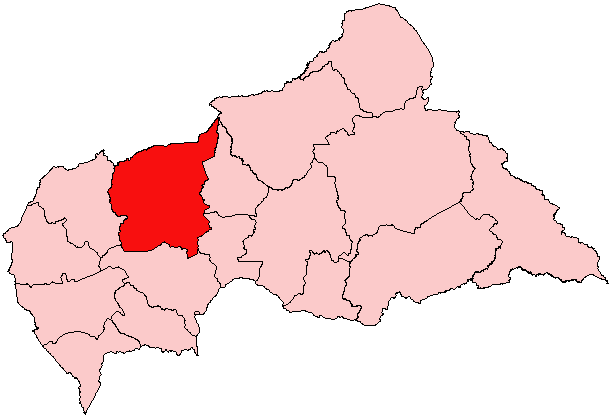

Geography and environment
Located in the northwestern part of the country, Ouham is characterized by a mix of wooded savanna and river valleys. Seasonal rainfall governs agricultural cycles, and roads and infrastructure are limited outside urban centers. The landscape supports subsistence farming and scattered market towns rather than intensive industrial development.
History and administration
As an administrative unit, Ouham was established under the structures left by French colonial administration and retained after national independence. It functions as a prefecture-level division with local government centered in Bossangoa, which serves as the administrative, commercial and social hub for surrounding communes and villages.
Economy and society
The local economy is mainly agrarian: households depend on millet, sorghum, cassava and other staple crops, with some small-scale cash crops and trade. Public services such as health and education are present but often constrained by limited resources. The prefecture’s population includes a range of local ethnic groups and communities whose livelihoods are tied to land and seasonal cycles.
Contemporary importance and notable facts
- Bossangoa is the principal urban center and a focal point for administration, markets and relief activities.
- Ouham has been affected by national cycles of political instability and displacement, which have influenced migration and local economies.
- Environmental features such as riparian corridors along the Ouham River remain important for agriculture and transport during the rainy season.
For general administrative context see the list of prefectures and information about the Central African Republic. Reliable, up-to-date local details are best obtained from current government or humanitarian sources due to changing conditions on the ground.
Related articles
Author
AlegsaOnline.com Ouham (prefecture of the Central African Republic) Leandro Alegsa
URL: https://en.alegsaonline.com/art/73595
Sources
- stat-centrafrique.com : "Population Prefecture"
- statoids.com : "Central African Republic Prefectures"
- tools.wmflabs.org : 7°00′N 18°00′E / 7.000°N 18.000°E / 7.000; 18.000