
Augustine Volcano
A frequently active stratovolcano in Cook Inlet, Alaska, known for explosive eruptions, pyroclastic flows, and hazards to aviation, shipping and nearby communities; monitored for public safety and scientific study.
Overview
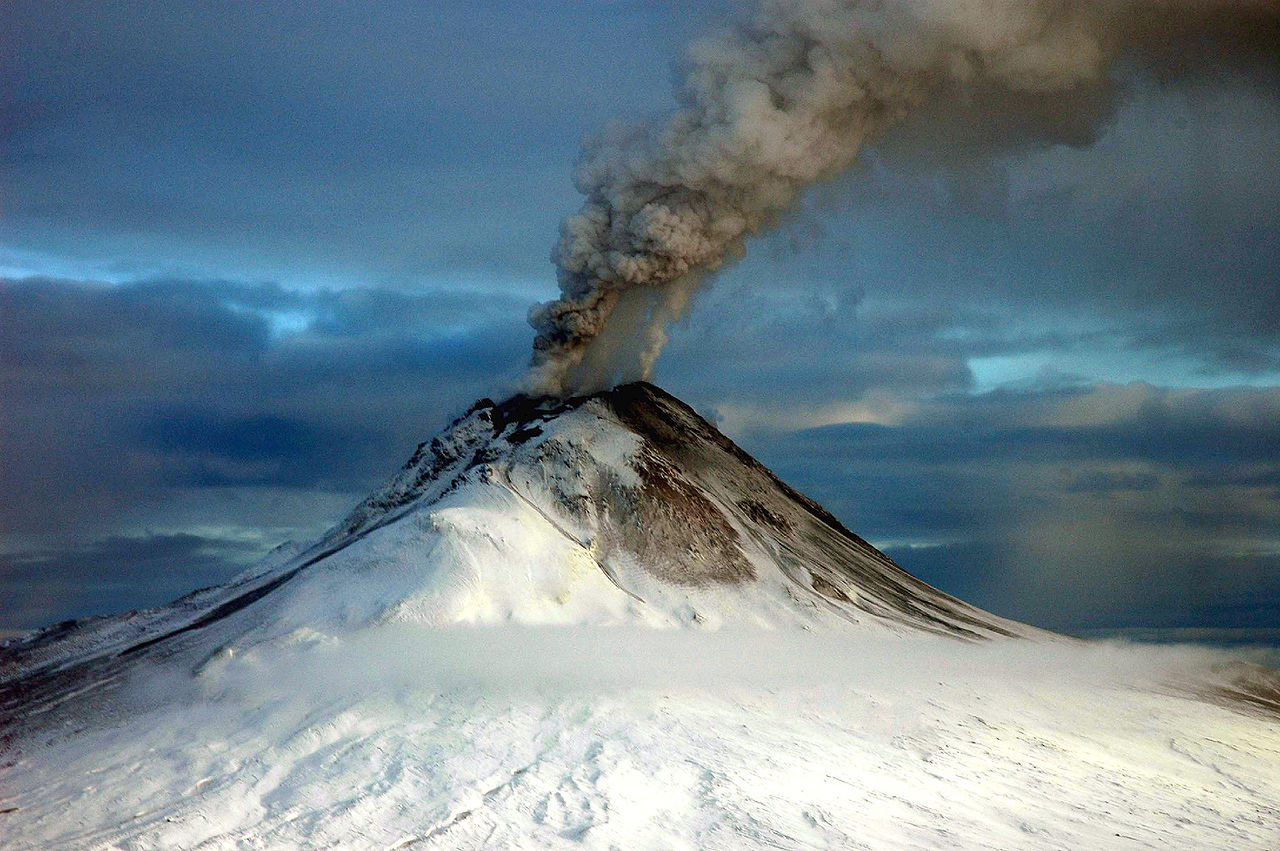
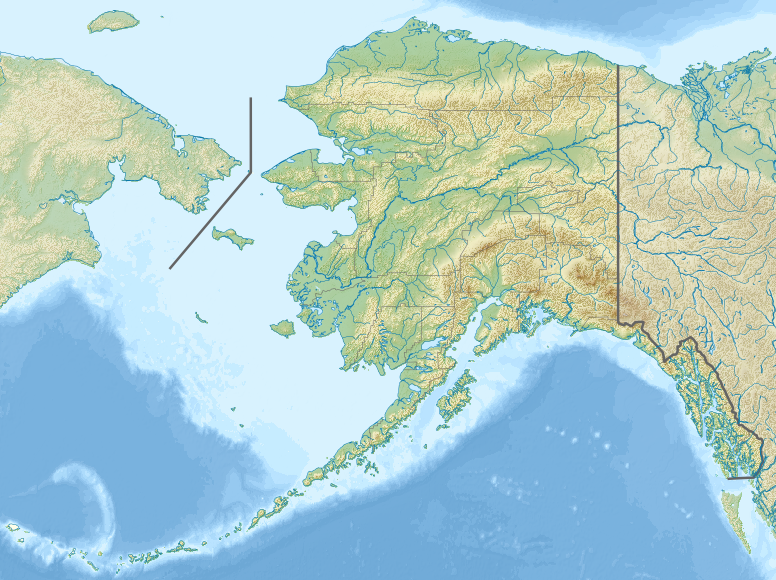
Augustine Volcano is a prominent stratovolcano in southwestern Cook Inlet, Alaska, rising roughly 1,250 metres above sea level. It lies about 280 kilometres southwest of Anchorage and within a few hundred kilometres of the majority of Alaska's population. Augustine is part of the Aleutian volcanic arc and is notable for its explosive behavior and frequent episodic eruptions. For general location and background see Augustine Volcano location and regional summaries at Cook Inlet resources.
Image gallery
6 Images



Physical characteristics
Augustine is a classic andesite-to-dacite stratovolcano built of alternating lava flows, fragmented pyroclastic deposits and dome material. Its steep upper slopes and summit crater form after successive eruptions and dome-building episodes. The volcano can produce ash columns, pyroclastic flows, block-and-ash avalanches, and lahars. A partial summit collapse has occurred in the past, and flank failures can generate debris avalanches with the potential to reach the sea.
History of activity
Historical records show repeated eruptions dating back to the early 19th century and earlier prehistoric events recorded in deposits around the volcano. Documented explosive eruptions occurred in years such as 1812, 1883, 1935, 1964–65, 1976, 1986 and most recently in 2006. Some eruptions begin with vent-clearing blasts that send ash high into the atmosphere, followed by dome growth, collapse, and pyroclastic flows. The 1883 event included a summit collapse that produced a large avalanche and a locally observed tsunami that reached nearby shorelines.
Hazards and impacts
- Airborne ash: volcanic ash clouds are an important hazard to jet aircraft flying to and from Anchorage and other airports in the region.
- Pyroclastic flows and avalanches: fast-moving hot mixtures of gas, ash and rock can devastate slopes and reach the sea.
- Lahars and ashfall: melting snow or heavy rain can mobilize loose volcanic material into destructive mudflows; ashfall can disrupt infrastructure, oil and gas operations, and communities around Cook Inlet.
- Tsunami potential: large flank failures entering the ocean can generate local tsunamis, as occurred in the late 19th century.
Because of these risks, aviation authorities and maritime operators monitor Augustine closely; official guidance and research summaries are available from agencies that track volcanic activity monitoring agencies and emergency management offices regional alerts.
Monitoring and response
Augustine is monitored by seismic networks, satellite remote sensing, gas measurements and field observations to detect unrest and forecast eruptive behavior. Scientists use seismicity, ground deformation, thermal signals and changes in gas emissions to assess the likelihood of eruptions and to issue alerts. Timely communication to pilots, shipping operators and local communities aims to reduce risk; information is circulated through aviation advisories and civil protection channels such as official alert services.
Significance and research
Augustine serves as an important natural laboratory for studying explosive volcanism, dome growth and collapse dynamics, and volcano-generated tsunamis. Its close proximity to population centers and industrial infrastructure makes understanding its behavior a public safety priority. Ongoing research combines field mapping, laboratory analysis of erupted products, and monitoring technology to improve eruption forecasts and hazard mitigation strategies.
Tags
Related articles
Author
AlegsaOnline.com Augustine Volcano Leandro Alegsa
URL: https://en.alegsaonline.com/art/7345
Sources
- avo.alaska.edu : "Augustine Description and Statistics" · web.archive.org