
Augustin Pajou — French Sculptor (1730–1809)
Augustin Pajou was an 18th-century French sculptor known for refined portrait busts, decorative sculpture and public commissions that bridged Rococo charm and early Neoclassical restraint.
Augustin Pajou (19 September 1730 – 8 May 1809) was a French sculptor whose long career spanned the late Rococo period and the rise of Neoclassicism. He earned a reputation for lively, refined portraiture and for decorative works for private patrons and public spaces. Pajou's output includes busts, full-figure sculptures, funerary monuments and workshop models in a variety of media.
Image gallery
4 Images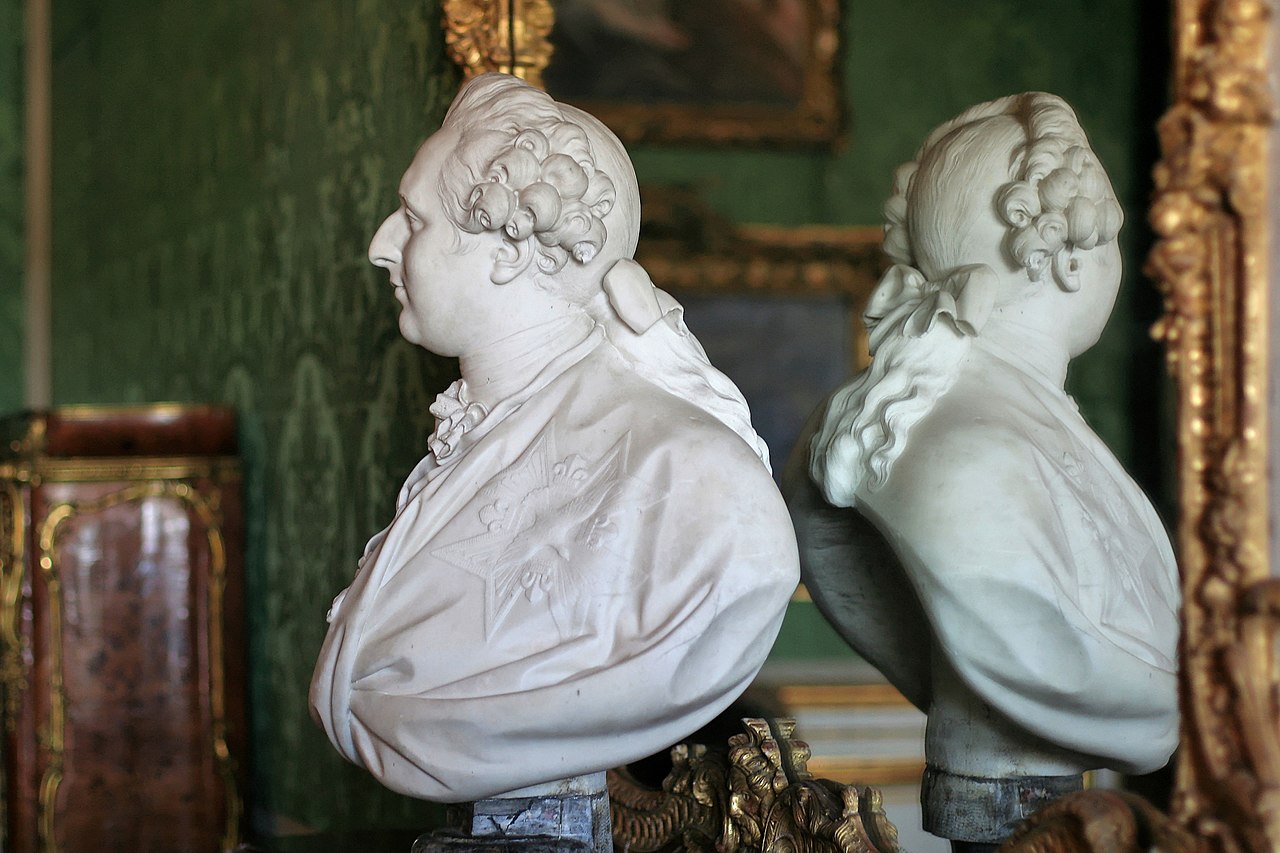


Characteristics and media
Pajou worked in marble, terracotta, plaster and bronze. His portraits are noted for their attentive rendering of facial expression and costume, balancing realistic detail with an elegant finish. He often produced small-scale terracotta models as studies before executing larger marble commissions.
Career and historical context
Active in Paris for most of his life, Pajou took commissions from aristocratic and civic clients and adapted to changing tastes across decades of political upheaval. His career embraced decorative work for private residences and public buildings as well as individual portraiture. He remained professionally active before, during and after the French Revolution.
Notable types of work
- Portraiture: finely finished busts and half-length figures, often representing intellectuals, patrons and notable public figures; he specialized in portraits that combined likeness with character.
- Decorative sculpture: mantels, chimneypieces, and allegorical figures used in interior design and architectural ornament.
- Monuments and funerary pieces: commemorative works for churches and private chapels.
Many contemporaries admired Pajou for his technical skill and expressive modeling. He produced works portraying the leading men and women of his era, including artists, patrons and celebrities of the cultural world. Today his sculptures are represented in museum collections and serve as examples of 18th-century French academic practice and the transition between decorative Rococo and the clearer lines of Neoclassicism.
Although not every commission has remained in the public eye, Pajou's legacy endures through his portraits and the decorative pieces that illustrate the tastes and social networks of his time.
Related articles
Author
AlegsaOnline.com Augustin Pajou — French Sculptor (1730–1809) Leandro Alegsa
URL: https://en.alegsaonline.com/art/7342