
Osijek-Baranja County — geography, history, economy and attractions
Osijek-Baranja County is an eastern Croatian region centered on the city of Osijek. It combines Pannonian plains, river wetlands and multicultural heritage with agriculture, industry and nature tourism.
Osijek-Baranja County is a territorial and administrative unit in eastern Croatia. Its administrative centre is the city seat indicated here: county seat — the largest city of the area, Osijek. The county spans lowland plains of the Pannonian Basin and includes the distinctive subregion of Baranja to the north.
Image gallery
10 Images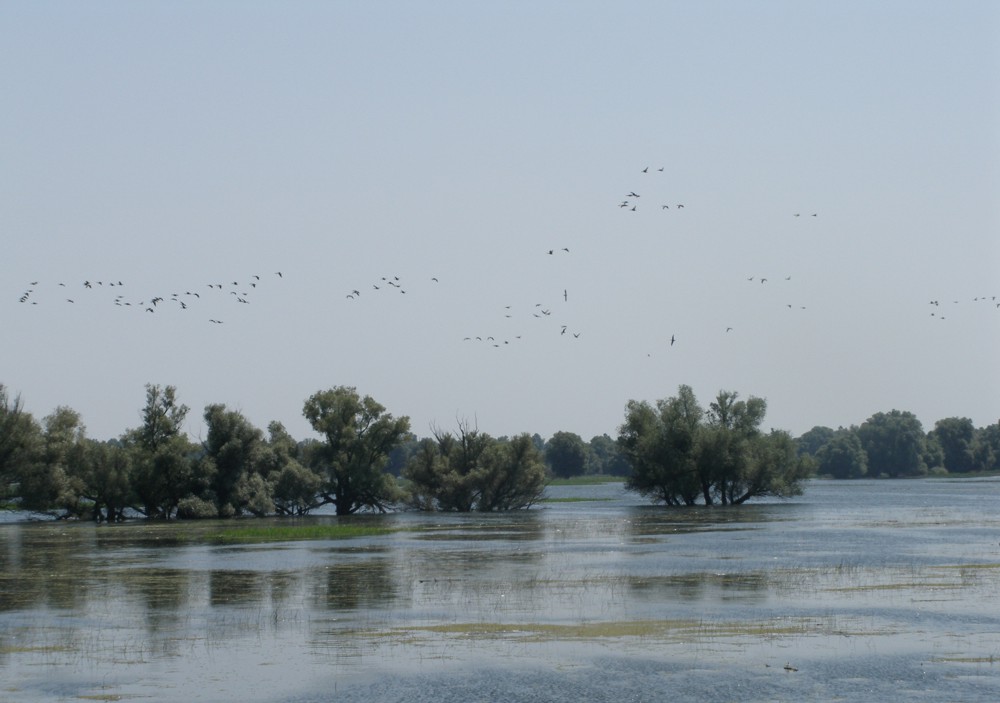




Geography and environment
The landscape is dominated by fertile agricultural plains crossed by major rivers, notably the Drava and the Danube. Floodplains and backwaters form habitats of European importance; the Kopački Rit wetland near the confluence of those rivers is internationally recognised for birdlife and biodiversity. The county's continental climate features warm summers and cold winters, supporting mixed arable farming and viticulture in suitable microregions.
History and cultural identity
The area has a layered history shaped by medieval kingdoms, Ottoman rule and Habsburg administration, all of which left fortifications, churches and urban plans. Osijek's historic Tvrđa fortress and the cathedral in nearby towns illustrate the region's architectural heritage. Baranja contributes a multicultural dimension: ethnic Croats, Serbs, Hungarians and other communities have long coexisted, reflected in language use, cuisine and religious buildings.
Economy and infrastructure
Agriculture remains a central economic activity, with grains, oilseeds, fruit and livestock adapted to the Pannonian plain. Processing industries, food production, and river transport along the Danube and Drava support local employment. The county is connected by road, rail and an airport serving regional traffic; cross-border links with neighbouring countries foster trade and cooperation.
Administration, towns and population
The county contains a mix of urban municipalities and rural communities. Major urban centres include Osijek and other towns that serve as local service hubs. Demographically it is diverse, with policies in place to protect minority rights and cultural expression. Local government structures administer education, healthcare and regional planning.
Attractions and notable facts
- Kopački Rit nature reserve — important bird sanctuary and wetland ecosystem.
- Tvrđa in Osijek — a preserved fortress district with baroque architecture.
- Traditional gastronomy and wine from the Baranja area.
- Opportunities for cycling, fishing, and river-based tourism along Danube and Drava.
The county balances agricultural production, cultural heritage and natural conservation. It is a regional centre for services and transport in eastern Croatia and a focal point for cross-border cultural and economic exchange.
Related articles
Author
AlegsaOnline.com Osijek-Baranja County — geography, history, economy and attractions Leandro Alegsa
URL: https://en.alegsaonline.com/art/73373
Sources
- dzs.hr : Statistički ljetopis Republike Hrvatske 2015
- worldcat.org : 1333-3305
- dzs.hr : "Population by Age and Sex, by Settlements, 2011 Census: County of Osijek-Baranja"
- commons.wikimedia.org : Osijek-Baranja County