
Orthopedic cast: purpose, materials, application, care, and history
Orthopedic casts immobilize and protect injured bones and joints during healing. This article explains types, materials (plaster, fiberglass), application, care, removal, and common complications and precautions.
An orthopedic cast is a rigid shell applied around a limb or trunk to immobilize bones and joints while they heal after fracture, surgery, or severe sprain. Casts work by maintaining alignment and limiting motion so tissues can repair with minimal displacement. They are one of the most common devices used in fracture management and are fitted by medical professionals after clinical assessment and imaging.
Image gallery
10 Images


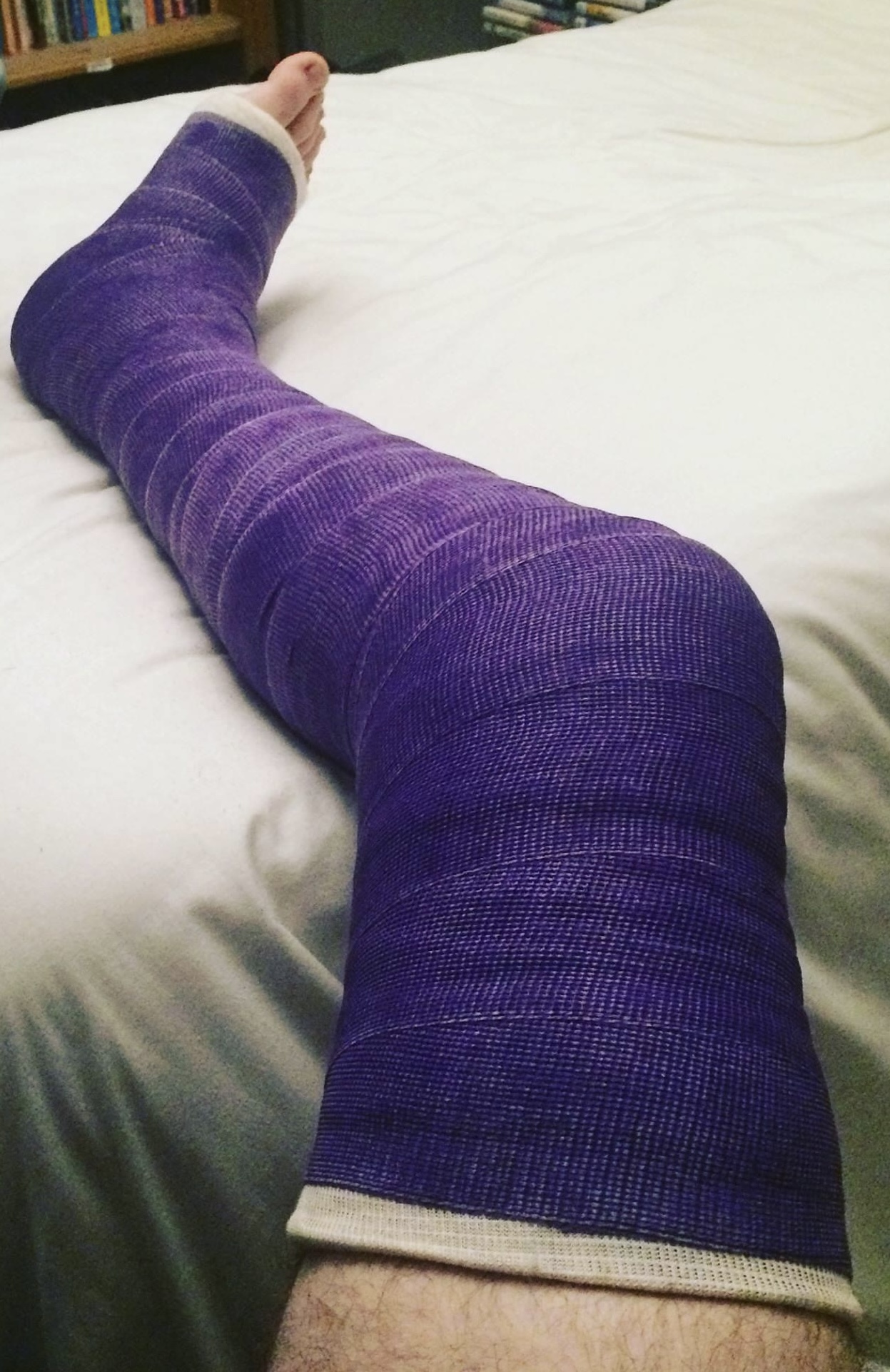

Materials and construction
Traditional casts are made from plaster (plaster of Paris), which hardens through a chemical reaction when wetted and molded. Modern casts more often use synthetic materials such as fiberglass, which are lighter, stronger, and quicker to set. Typical construction includes a soft inner layer (stockinette), padding to protect skin, and the rigid outer shell. Some products are treated to be water-resistant or fully waterproof.
Types and common uses
- Short arm and long arm casts: for wrist, forearm, elbow injuries.
- Short leg and long leg casts: for ankle, tibia, femur injuries.
- Spica casts: immobilize hip or pelvis, often used in children after certain injuries or surgeries.
- Walking casts and cast boots: reinforced designs allowing partial weight bearing.
Casts are selected based on fracture location, stability, patient age and activity level. The goal is to balance immobilization with comfort and function.
Application, care, and removal
A clinician aligns the injured limb, applies padding and the casting material, and molds the cast to conform to anatomical landmarks without excessive pressure. Patients are advised to keep the cast dry (unless waterproof), avoid inserting objects inside it, and to monitor for swelling, numbness, increased pain, color change, or a foul odor. Immediate medical attention is needed for signs of compromised circulation or nerve compression.
Casts are removed using a specialised oscillating saw that cuts rigid material but doesn’t slice skin when used properly; removal should be performed by trained staff. In some cases casts are bivalved (cut in two halves) to relieve pressure or accommodate swelling.
History and developments
Immobilization of fractures predates modern medicine: many ancient cultures used splints and bandaging to support broken limbs. The plaster cast became widely used after the development of plaster of Paris techniques, and later innovations introduced synthetic casts and waterproof options. Recent advances include lighter, more breathable materials and custom braces; experimental approaches such as 3D-printed supports are being explored in some centers.
Risks and important distinctions
- Skin problems: irritation, pressure sores, or infection beneath a wet or dirty cast.
- Joint stiffness and muscle atrophy from prolonged immobilization—rehabilitation and physiotherapy are often needed after cast removal.
- Circulatory or nerve compromise: urgent care is required if fingers or toes become pale, cold, numb, or extremely painful.
For more detailed clinical guidance or product information, consult medical sources or device manufacturers. For background on materials and historical practice see references linked here: plaster, fracture care, and fiberglass.
Related articles
Author
AlegsaOnline.com Orthopedic cast: purpose, materials, application, care, and history Leandro Alegsa
URL: https://en.alegsaonline.com/art/73276