
Order of Santiago
A medieval Spanish military-religious order founded in the 12th century to protect pilgrims and fight in the Reconquista; later became a powerful landowning and honorific institution.
Overview
The Order of Santiago (Spanish: Orden de Santiago) is a medieval military and religious order that originated in Iberia in the 12th century. Founded to protect pilgrims on the Camino de Santiago and to fight in the Christian reconquest of territory from Muslim rule, the order combined monastic vows with martial duties. Its patron is Saint James the Greater (Santiago), widely venerated in medieval Spain.
Image gallery
7 Images




Organization and insignia
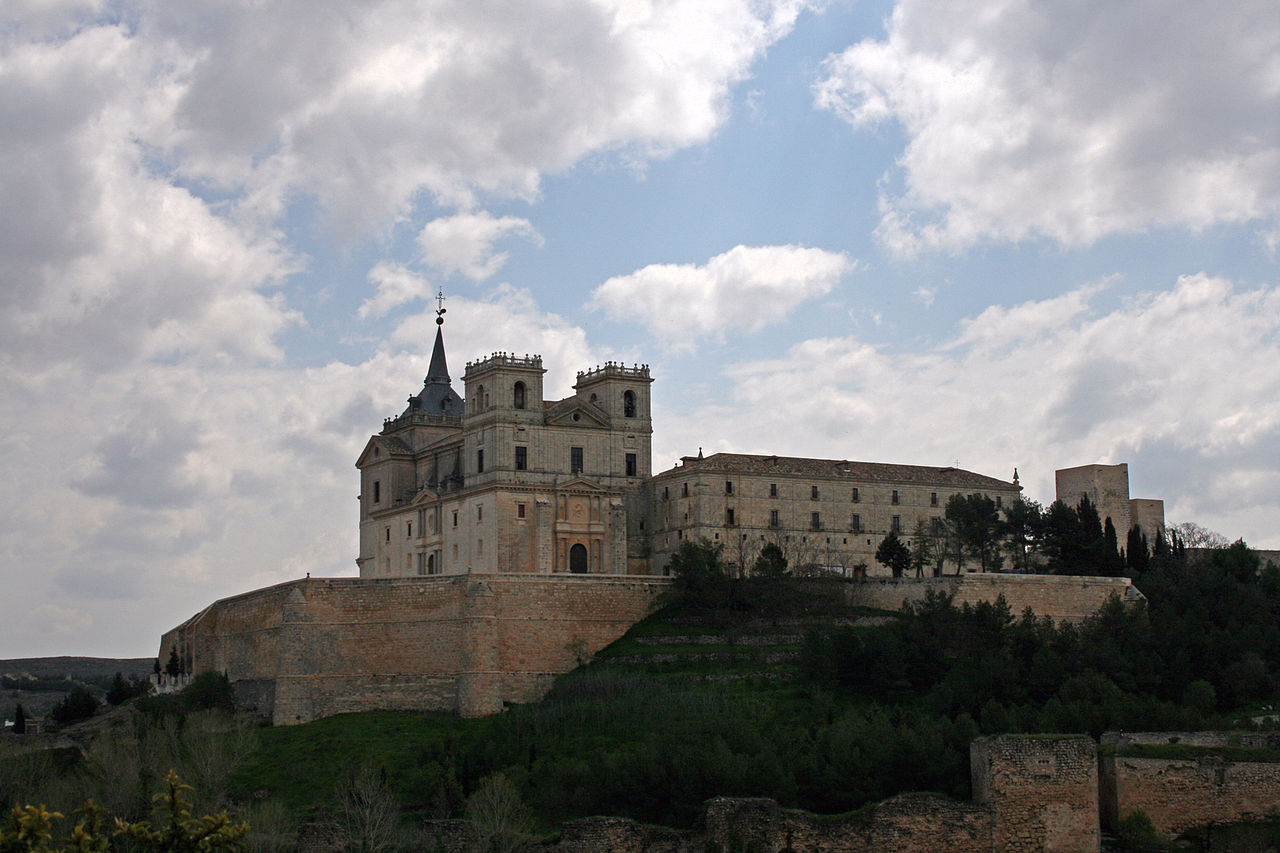
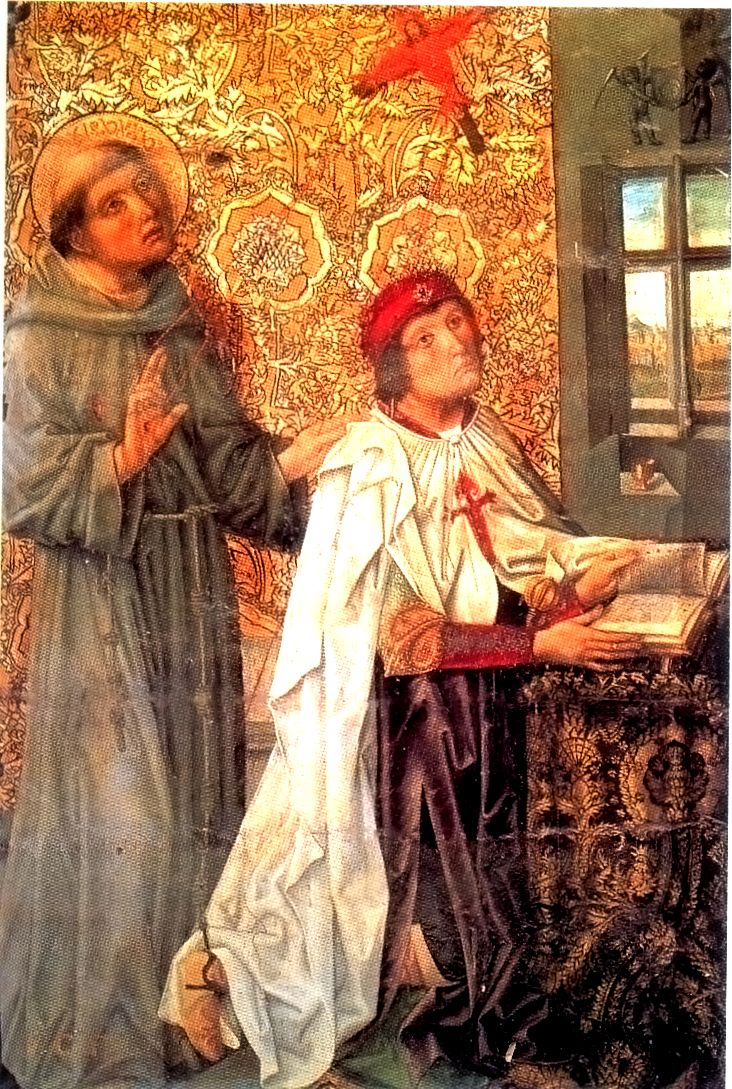
Like other military orders of the period, the Order of Santiago had a hierarchical structure with a grand master at its head and a network of commanders who administered landed estates and commanderies (encomiendas). Members were warrior-monks who took religious vows and were supported by revenues from agricultural estates, towns and donations. Historically, admission required proof of Christian and noble lineage; aspiring knights had to demonstrate legitimate descent through several generations.
- Emblem: the cross of Santiago, a red cross with floriated arms and a lower arm shaped like a sword, symbolizing martyrdom and military purpose.
- Holdings: the order accumulated estates, castles and privileges that made it a major territorial power in medieval Spain.
History and development
The order emerged during the volatile centuries of the Reconquista, when Christian kingdoms expanded southward. It served both as a military force and as an institution that settled and administered newly conquered lands. Over the late Middle Ages its role became increasingly aristocratic: members were often drawn from noble families and the order acted as a route to status and influence.
From the late 15th century the Catholic Monarchs sought tighter royal control over powerful military orders. Monarchs gradually absorbed the mastership and privileges of orders like Santiago, integrating them into the crown’s political structure. In the 18th and 19th centuries liberal reforms and disentailments reduced the economic base of many religious institutions; the military role of the order had already largely disappeared by then.
Role, legacy and modern status
The Order of Santiago left a lasting imprint on Spanish religious life, territorial administration and heraldry. Its emblem remains a recognizable cultural symbol associated with the Camino de Santiago and Spanish chivalry. While the original medieval military function no longer exists, the name and insignia survive in orders of merit and in historical memory; regional and national institutions preserve its archives, architecture and charitable foundations.
Related articles
Author
AlegsaOnline.com Order of Santiago Leandro Alegsa
URL: https://en.alegsaonline.com/art/73012