
Opel Vectra — mid-size family car (1988–2008)
The Opel Vectra is a D‑segment family car produced from 1988 to 2008. Sold under Opel, Vauxhall, Holden and Chevrolet badges, it evolved through three generations before being replaced by the Insignia.
Overview
The Opel nameplate Opel introduced the Vectra as its mid-size family car to succeed the Ascona in 1988. Built and sold for two decades, the Vectra occupied the D‑segment and was marketed across Europe and elsewhere under a variety of local brand names. Production effectively ran until 2008, when the model line was succeeded by the more modern Insignia.
Image gallery
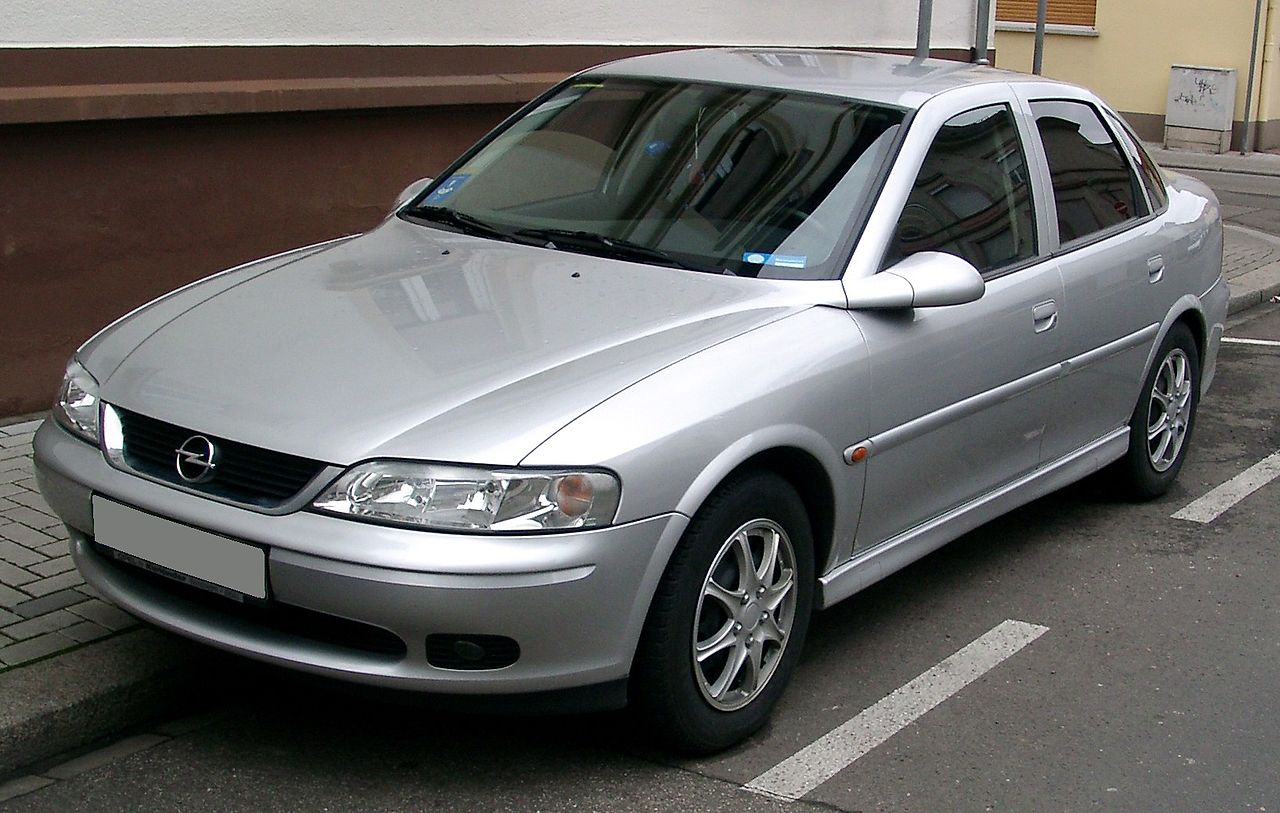
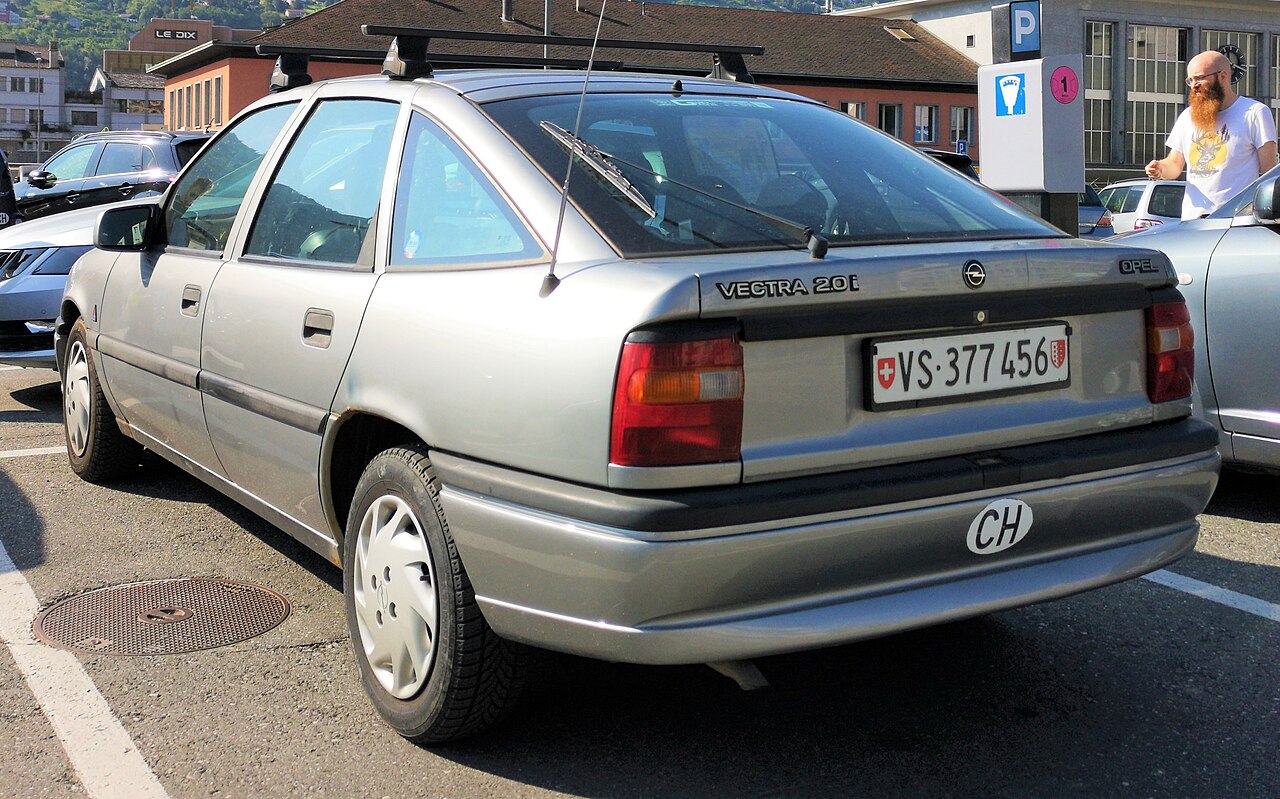
10 Images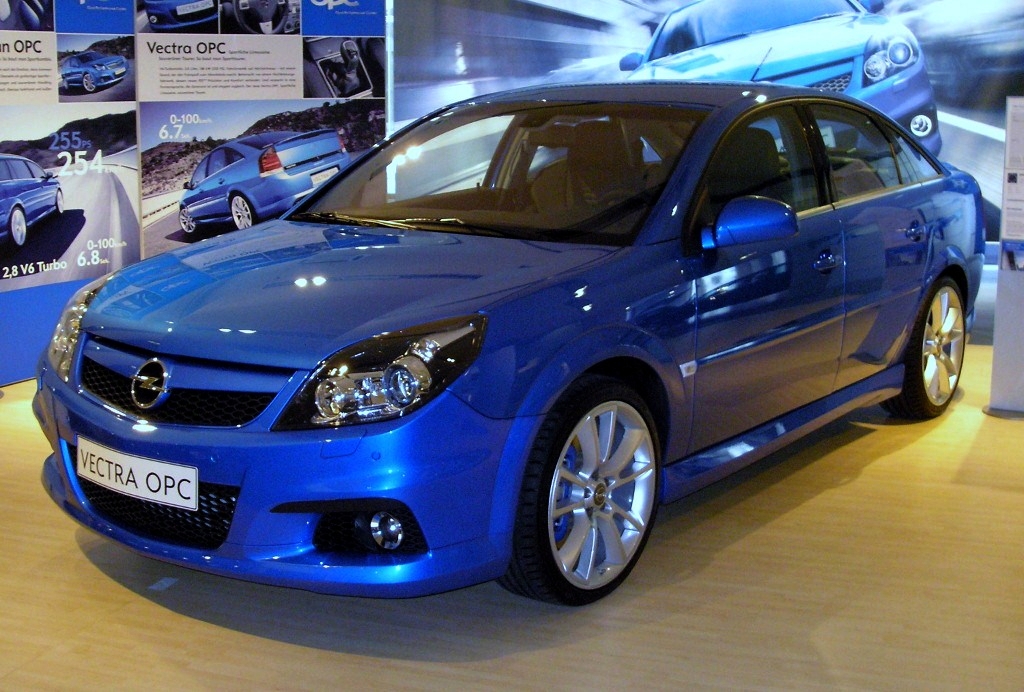




Generations and design
The Vectra was developed in three main generations. Each generation updated styling, safety and engineering to match changing market expectations. Early models emphasized practical family transport and competently packaged interiors; later versions moved toward more refined road manners and higher specification levels to compete with rivals.
Body styles and mechanical layout
Throughout its life the Vectra was offered in a range of body formats to suit family and business buyers. Common configurations included:
- Saloon (sedan) — a conventional three‑box design popular in company car fleets.
- Hatchback or liftback — a versatile option combining cargo access with a compact rear profile.
- Estate (branded Caravan by Opel) — aimed at buyers needing extra load space and towing ability.
Engine choices typically ranged from economical four‑cylinder petrol and diesel units to more powerful six‑cylinder petrol engines on higher trims. Diesel variants, including turbocharged options, were important in markets where efficiency and torque were priorities.
Market presence and branding
The Vectra was sold under different badges depending on region. In the United Kingdom and the Republic of Ireland it was marketed as a Vauxhall, while in Australia and New Zealand it appeared as a Holden. In parts of Latin America some derivatives carried the Chevrolet badge. The model reflected the global platform strategy of its manufacturer and the flexibility of selling essentially the same car under several local brands. The Vectra was produced and assembled in a number of factories operated by the parent company and its partners, reflecting that international approach.
Notable features and legacy
Over its lifecycle the Vectra introduced incremental safety and comfort improvements such as stronger body structures, better passive safety equipment, and more sophisticated suspension tuning. It was widely used as a fleet car and by private buyers seeking a practical, affordable family vehicle. When the range was retired in 2008 it was replaced by the Insignia, which went on to win industry recognition; that change marked a move toward more premium design and technology for Opel's D‑segment offering.
Further reading
For detailed model histories, production years and market variants consult brand archives and specialist resources on European family cars of the period. The Vectra remains a useful example of late 20th‑century and early 21st‑century mainstream car design and platform sharing within large automotive groups. For corporate context see references to the German carmaker and consult regional brand pages such as Vauxhall, Holden and Chevrolet for market specifics.
Related articles
Author
AlegsaOnline.com Opel Vectra — mid-size family car (1988–2008) Leandro Alegsa
URL: https://en.alegsaonline.com/art/72747