
Open-wheel car (single-seater racing car)
Race cars with exposed wheels and typically one seat, built primarily for circuit competition. Distinct from closed-wheel road and sports cars; optimized for aerodynamics, lightness and driver visibility.
Overview
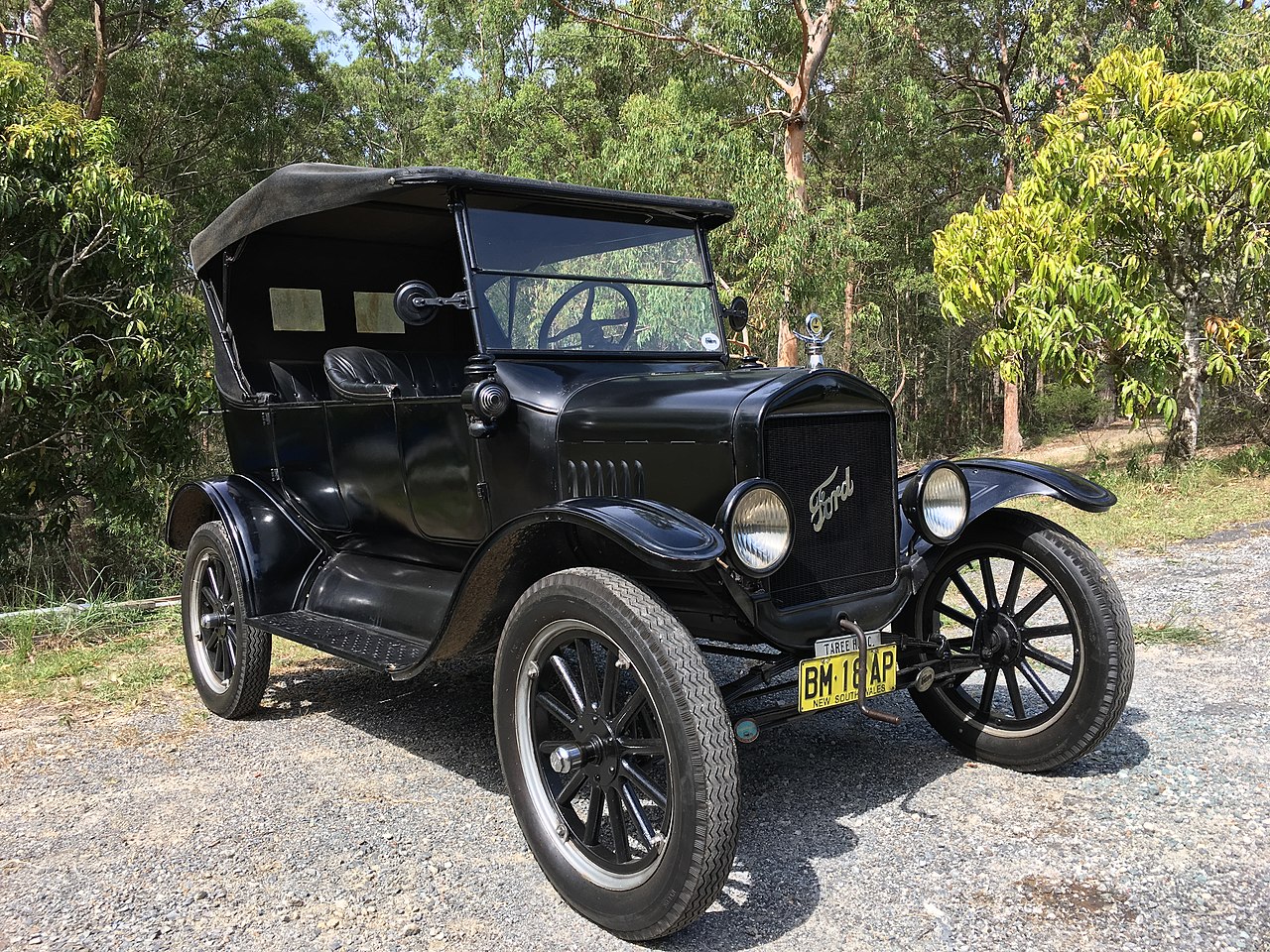
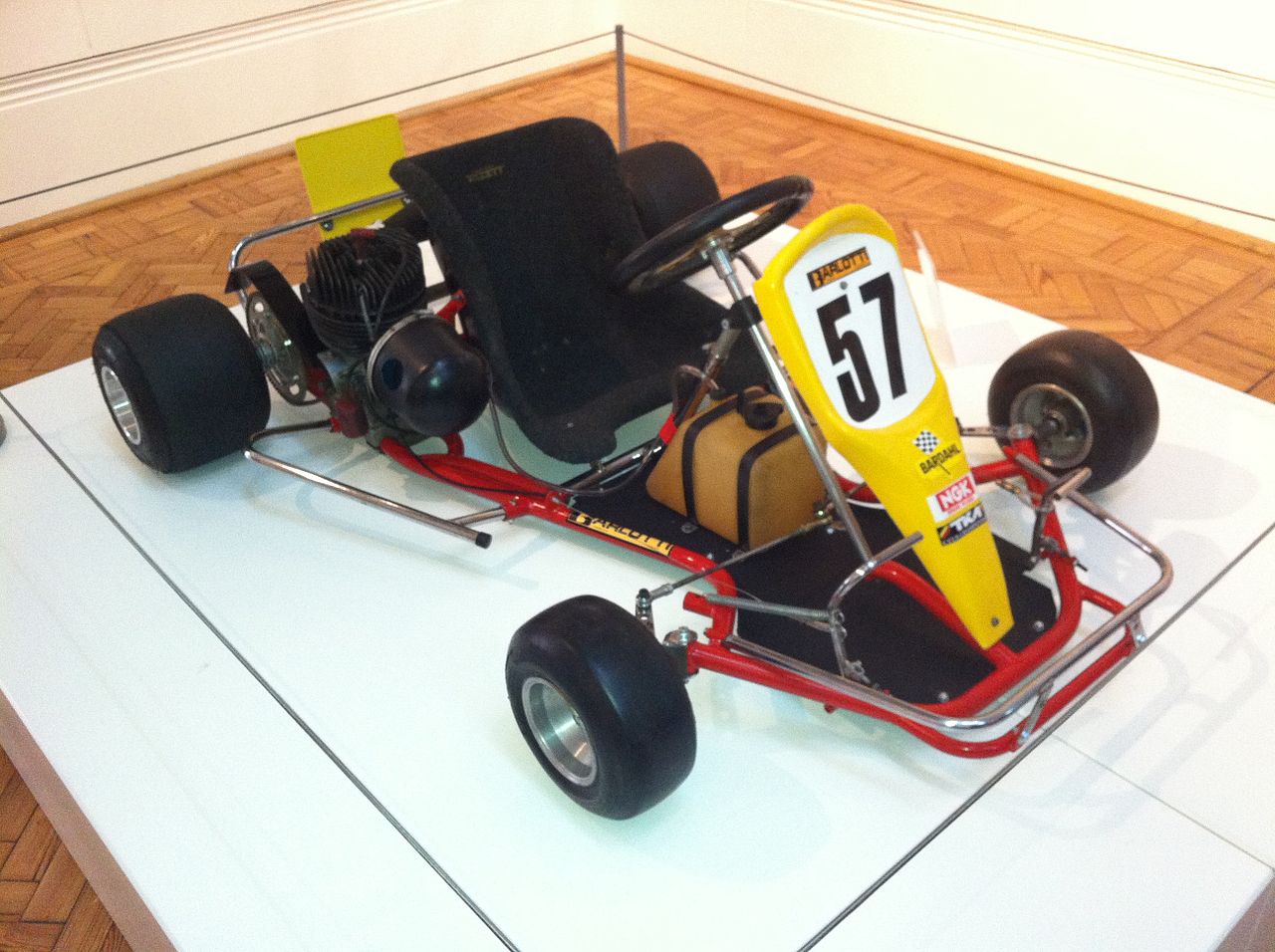
An open-wheel car is a type of racing automobile whose wheels are mounted outside the vehicle's main bodywork and are usually not covered by fenders. These vehicles are most often single-seaters, designed solely for competition rather than everyday road use. They are referred to as a single-seater in British English and sometimes as an Indy car in the United States. Open-wheel cars place a premium on low weight, aerodynamic efficiency, and direct driver feedback.
Image gallery
10 Images





Design and key components
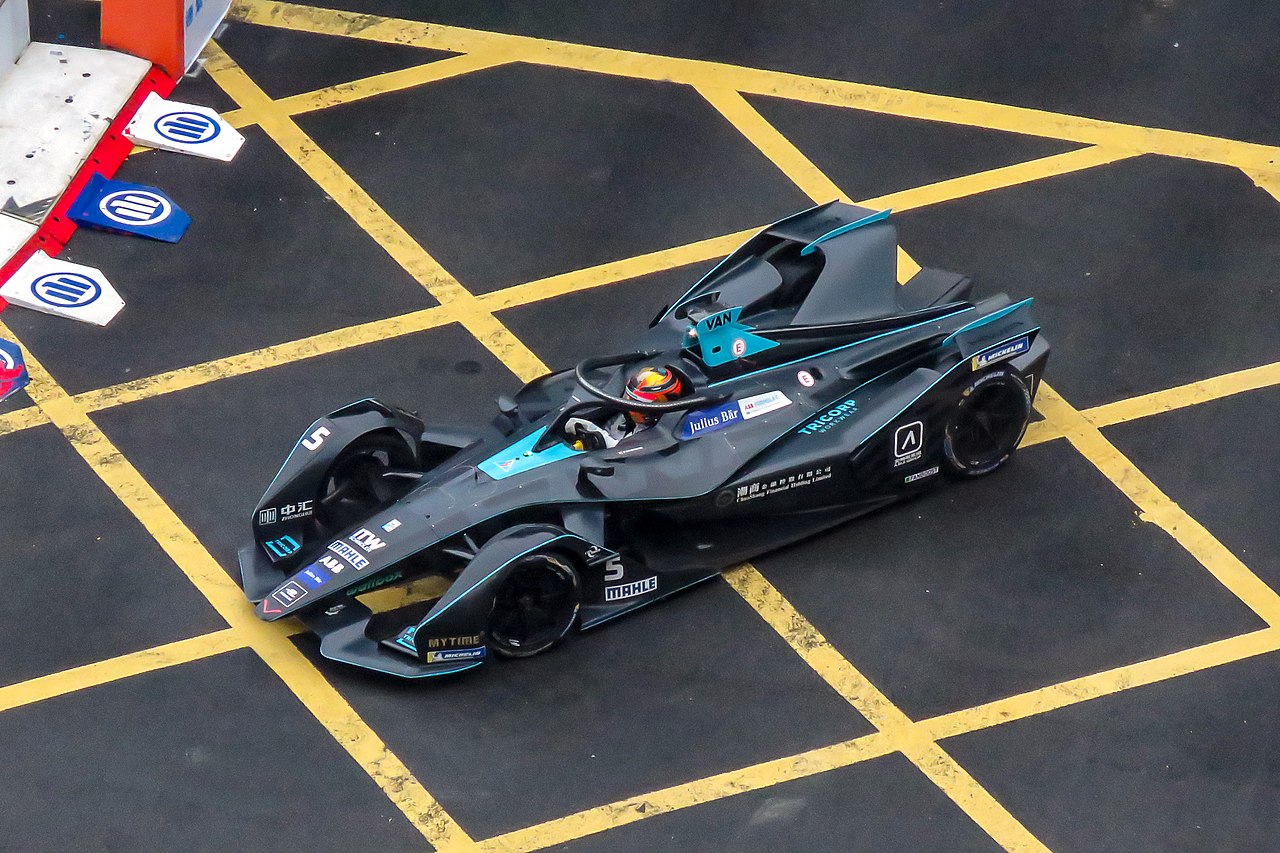
Open-wheel designs emphasize exposed suspension and minimal bodywork so that performance and handling are maximized. Typical elements include a rigid monocoque or composite chassis, prominent front and rear wings, a low nose and underbody shaped to manage airflow. Engines can be mounted behind the driver (mid- or rear-mounted) and are paired with sequential gearboxes and racing-spec brakes and tires.
- Chassis: lightweight, strong structures (often carbon fiber) to protect the driver and support suspension loads.
- Aerodynamics: wings, diffusers and undertrays that generate downforce and control balance.
- Suspension: exposed wishbones or pushrod/rocker systems for precise tuning.
- Cockpit: a single seat with harnesses, instrument displays and driver controls oriented for racing.
History and development
Open-wheel racing traces its roots to early Grand Prix and board-track events of the 20th century and evolved into distinct international categories. Over decades, the machines have advanced from simple tubular frames and exposed engines to highly engineered packages where composites, computational fluid dynamics and wind tunnel testing play major roles. Safety innovations such as survival cells, energy-absorbing crash structures and cockpit protection devices have been progressively introduced in response to the sport's risks.
Uses, series and examples
These cars are used in a variety of single-seater championships spanning professional to junior levels. Well-known contemporary series include top-level international formulas as well as regional and feeder categories. Open-wheel cars are also used in historic racing and demonstration events where period examples are preserved and shown to the public.
- Top-tier international championships and their junior categories.
- Oval and road-course series adapted to different regulations and track types.
- Electric single-seater series and developmental classes testing new technologies.
Distinctions and notable facts
Open-wheel cars differ from closed-wheel sports, touring and stock cars in form and purpose: road cars keep wheels behind bodywork and prioritize comfort or utility, while open-wheel machines are single-purpose racing platforms. They often exhibit a higher degree of technological sophistication in materials, aerodynamics and data systems. Because the wheels are exposed, contact between cars can lead to wheel-to-wheel interactions that are particularly dangerous, which influences rules, track design and safety equipment. Despite their specialized nature, open-wheel cars have been a proving ground for automotive technology that sometimes filters into broader motorsport and commercial vehicle engineering.
Questions and answers
Q: What does the term "open-wheel car" mean?
A: Open-wheel car refers to cars that have their wheels outside the main body of the car.
Q: What is another name for open-wheel car?
A: Other names for open-wheel car include formula car, single-seater car, or Indy car.
Q: How are open-wheel cars different from other types of cars?
A: Open-wheel cars are different from street cars, sports cars, stock cars, and touring cars because they have their wheels outside the body or fenders.
Q: Are open-wheel cars usually built for racing?
A: Yes, open-wheel cars are usually built just for racing.
Q: Do open-wheel cars usually have a higher amount of technological sophistication than other forms of motor racing?
A: Yes, often open-wheel cars have a higher amount of technological sophistication than in other forms of motor racing.
Q: How many seats do most open-wheel cars have?
A: Most open-wheel cars have only one seat.
Q: Where is the term "single-seater car" most commonly used?
A: The term "single-seater car" is most commonly used in British English.
Related articles
Author
AlegsaOnline.com Open-wheel car (single-seater racing car) Leandro Alegsa
URL: https://en.alegsaonline.com/art/72774