
Opel Corsa: compact hatchback produced since 1982
A concise overview of the Opel Corsa — a long-running subcompact (B-segment) hatchback from Opel, its generations, body styles, market variants (Vauxhall, Holden), electric model and key developments.
The Opel Corsa is a small family car (B-segment) produced by the German manufacturer Opel since 1982. Designed primarily as a practical urban hatchback, the Corsa has been offered in multiple body styles and mechanical layouts over several decades and has been marketed under other brand names in different markets, most notably as a Vauxhall in the United Kingdom and as the Holden Barina in Australasia.
Image gallery
10 Images


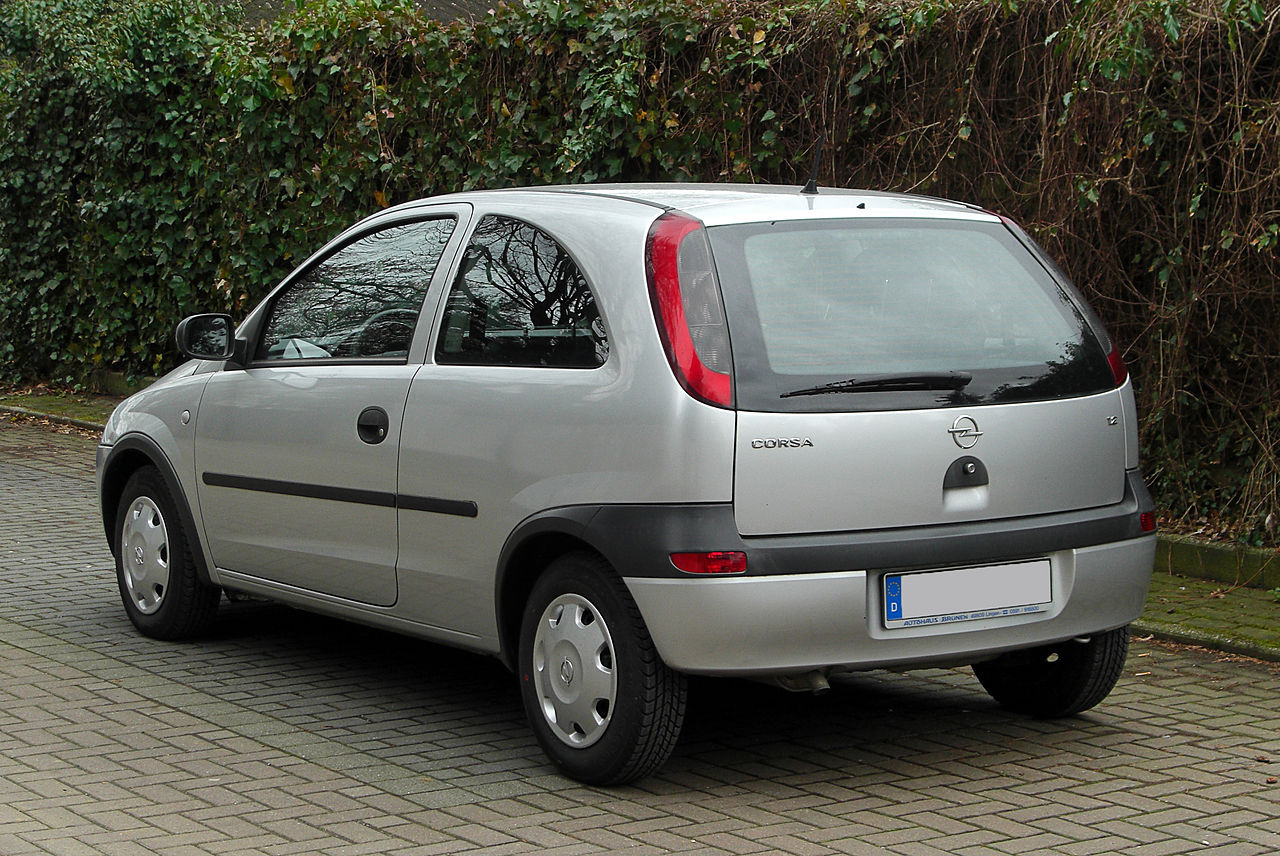

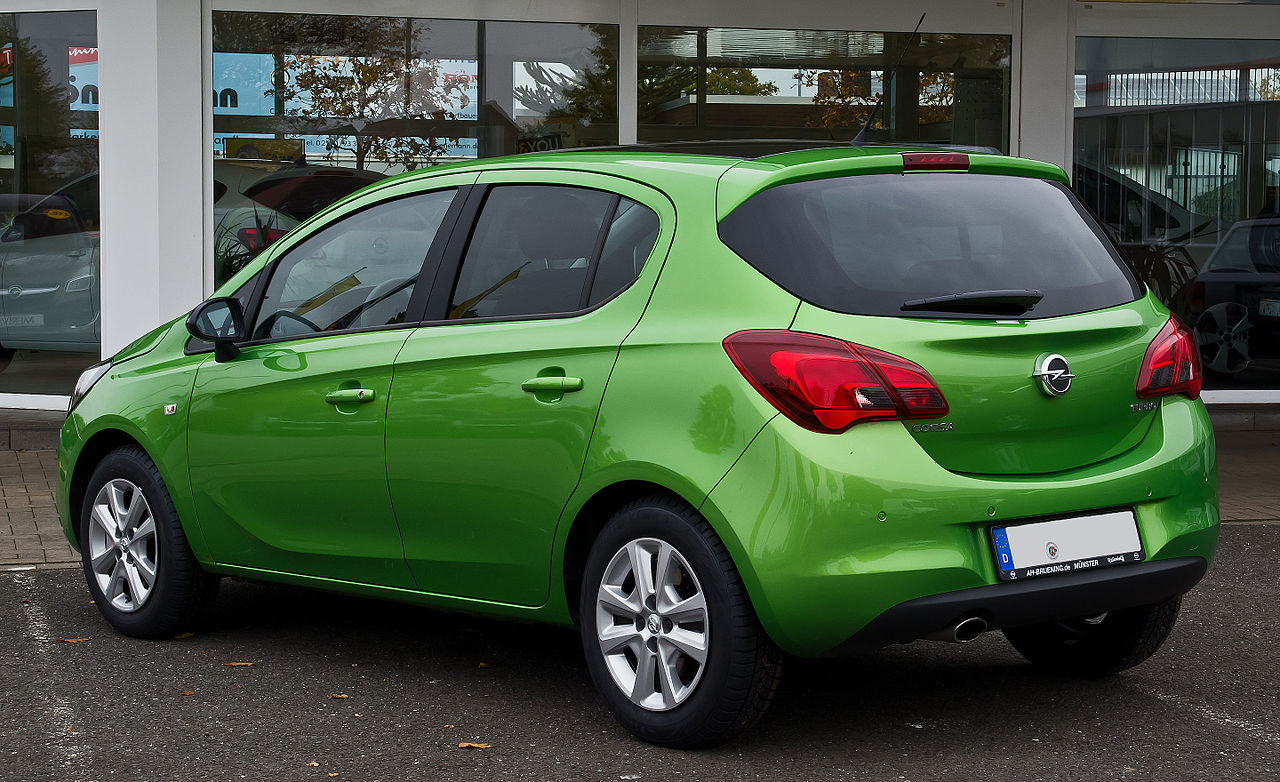

Design, layout and characteristics
Across its life the Corsa has typically been available as a three- or five-door hatchback, with occasional saloon and commercial variants early in its history. It occupies the subcompact segment: compact exterior dimensions, economical engines and a focus on low running costs and urban agility. Trim levels range from basic commuter models to better-equipped versions with modern infotainment, safety aids and higher-performance variants produced by the manufacturer's sport division (branded OPC or VXR in different markets).
Generations and evolution
The model has evolved through multiple generations, each increasing in refinement, safety features and equipment. For an overview of the principal stages, see the list below; more detailed timelines and model changes are covered in many manufacturer and enthusiast sources on Corsa generations.
- First generation (Corsa A, 1982–1993) — Introduced in 1982, early Corsas were sold in the UK as the Vauxhall Nova. Available as hatchback and small saloon, the A-series established the Corsa reputation for affordability and practicality.
- Second generation (Corsa B, 1993–2000) — A refreshed design focused on safety and comfort. In some regions this generation was rebadged as the Holden Barina.
- Third generation (Corsa C, 2000–2006) — Continued the hatchback tradition while updating interior quality and safety equipment; sold in Australasia under the Barina name for part of its run.
- Fourth generation (Corsa D, 2006–2014) — Grew in size and moved closer to compact-car standards, reflecting market demand for more interior space and modern features.
- Fifth generation (Corsa E, 2014–2019) — Effectively an extensive update of its predecessor with revised styling, new interior appointments and improved drivetrains.
- Sixth generation (Corsa F, 2019–present) — Developed after Opel became part of Groupe PSA and later Stellantis, the Corsa F uses a shared small-car platform also used by the second-generation Peugeot 208 and is offered solely as a five-door hatch. An all-electric derivative, the Corsa‑e, joined the range, reflecting the shift toward electrification.
Facelifts and mid-cycle revisions have been common across generations to refresh styling, update safety systems and meet emissions requirements. The Corsa has been produced in multiple plants across Europe and distributed globally through Opel’s and partner brands’ dealer networks.
Market role, variants and technology
The Corsa has been an important model for Opel and its sister brands because it targets urban drivers, first-time buyers and fleet customers. Over the years it has been available with a range of small petrol and diesel engines, manual and automatic transmissions, and in recent years with turbocharged petrol units and fully electric powertrains. Infotainment and driver assistance systems have progressively been introduced, bringing features like touchscreen media, connectivity and safety aids to the small-car class.
Special editions and sportier models (OPC/VXR) offered enhanced performance and styling. The introduction of the Corsa‑e broadened the model’s appeal to buyers seeking a zero‑emission city car without stepping up in size or cost class.
Notable facts and distinctions
- The Corsa has been rebadged and adapted for several markets — most visibly as the Vauxhall Corsa in the UK and the Holden Barina in Australasia.
- Opel’s change of ownership in recent years influenced platform sharing with other manufacturers; the latest generation is closely related to contemporaneous small cars from partner brands.
- In 2021 the Vauxhall Corsa was reported as a top-selling model in the UK market, underlining the model’s ongoing relevance in its segment.
Today the Opel Corsa remains a mainstream choice in the small-car category by combining compact dimensions, efficient powertrains and modern equipment, while its electric variant represents the marque’s response to regulatory and market shifts toward low‑emission mobility.
Related articles
Author
AlegsaOnline.com Opel Corsa: compact hatchback produced since 1982 Leandro Alegsa
URL: https://en.alegsaonline.com/art/72739