
Opel Karl — compact city hatchback sold as Vauxhall Viva in the UK
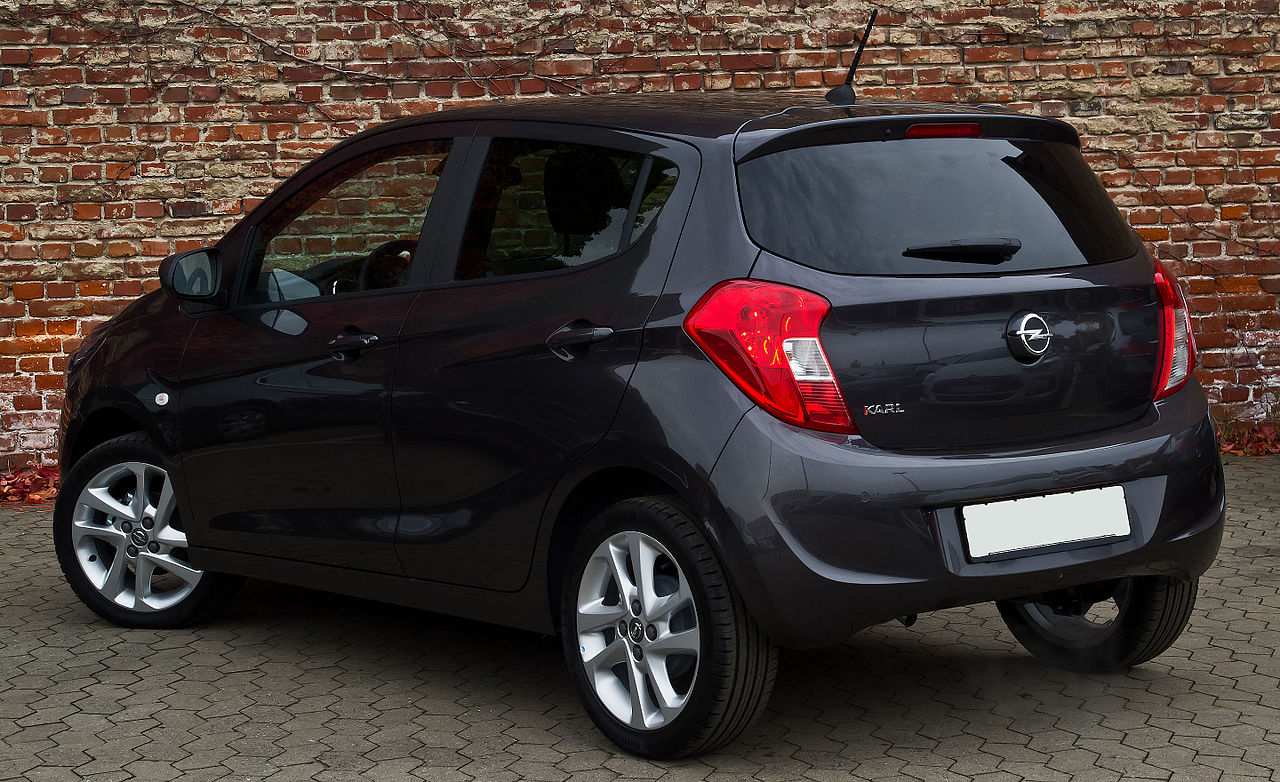
The Opel Karl is a small city hatchback from German manufacturer Opel, marketed in the UK as the Vauxhall Viva. It is an economical urban car introduced in the mid‑2010s and aimed at budget buyers.
Overview
The Opel Karl is a compact five‑door hatchback from German manufacturer Opel. It was offered as an affordable, city‑oriented car intended to compete in the entry‑level B/A‑segment. In the United Kingdom the model was marketed under the Vauxhall brand as the Viva, reviving a name that had previously been used in the 1960s and 1970s.
Image gallery
10 Images



Characteristics
The Karl is characterised by its small exterior dimensions, light weight and focus on fuel economy and practicality. Typical features include a compact cabin that maximises passenger space relative to overall length, modest luggage capacity for weekday errands, and a straightforward equipment list that emphasises value over luxury.
- Body style: five‑door hatchback
- Engine: small‑capacity petrol engines (commonly a 1.0‑litre three‑cylinder in many markets)
- Target: urban commuters, first‑time buyers and budget‑minded drivers
Platform and design
The Karl was developed as part of Opel’s small‑car range and shares mechanical and packaging concepts with other global city cars from the same corporate family. Its design prioritises ease of manoeuvring, visibility and low running costs rather than high performance. Interior options often included basic infotainment and safety features adequate for the class.
History and market position
Introduced in the mid‑2010s, the Karl filled the niche beneath larger supermini models such as the Opel Corsa. Its competitive price and compact dimensions aimed to attract urban drivers and purchasers seeking reliable, inexpensive motoring. Sales were strongest where demand for economical city cars remained steady.
Uses and notable points
The Opel Karl is commonly used for short commutes, shopping trips and as a first family car. It is notable for reviving the Viva name in the UK market and for offering a no‑frills alternative in an era when many city cars were adopting higher specification levels. For more manufacturer information see Opel.
Related articles
Author
AlegsaOnline.com Opel Karl — compact city hatchback sold as Vauxhall Viva in the UK Leandro Alegsa
URL: https://en.alegsaonline.com/art/72741