
Opel Omega — executive car (1986–2003)
Executive/mid-size car built by Opel from 1986 to 2003. Two generations succeeded the Rekord and were sold under different names (Vauxhall Carlton/Omega, Cadillac Catera) with saloon and estate bodies.
Overview
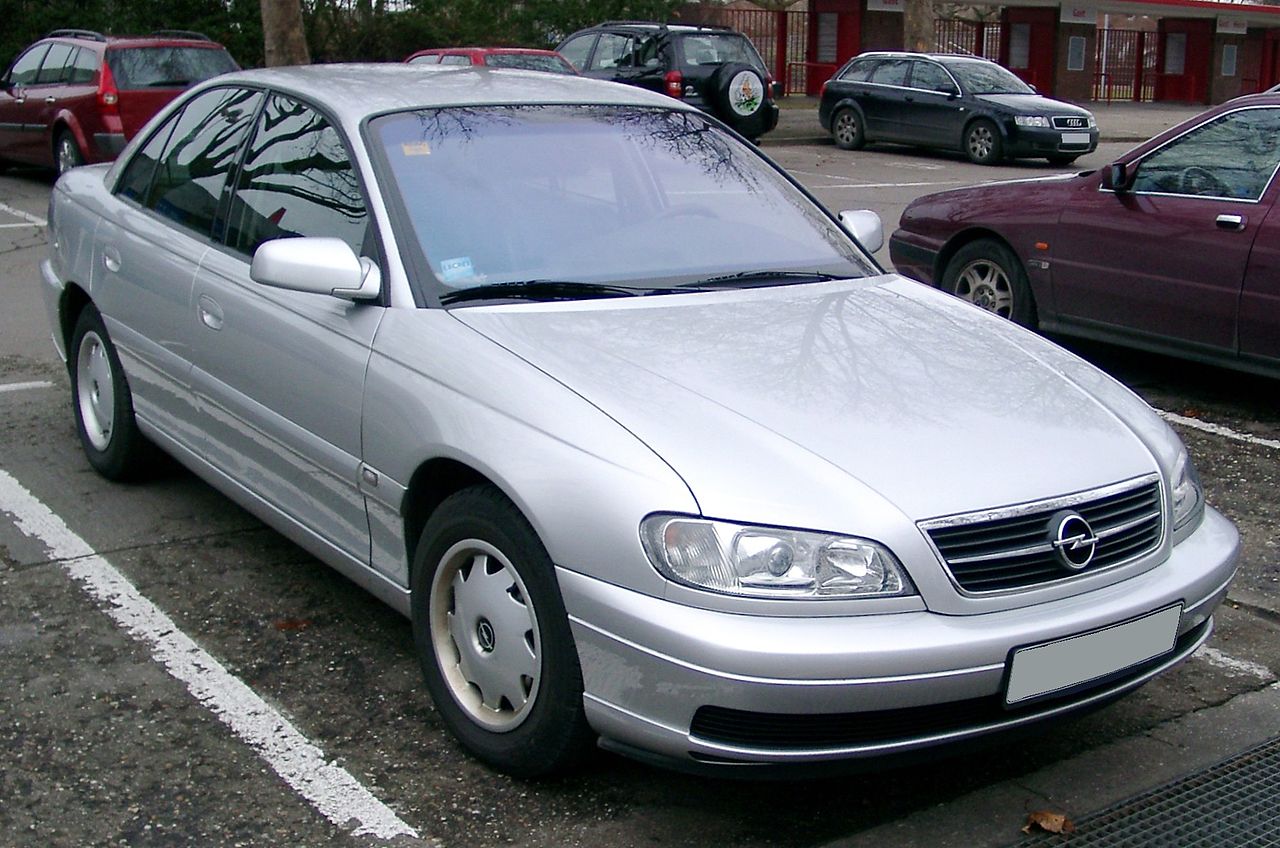
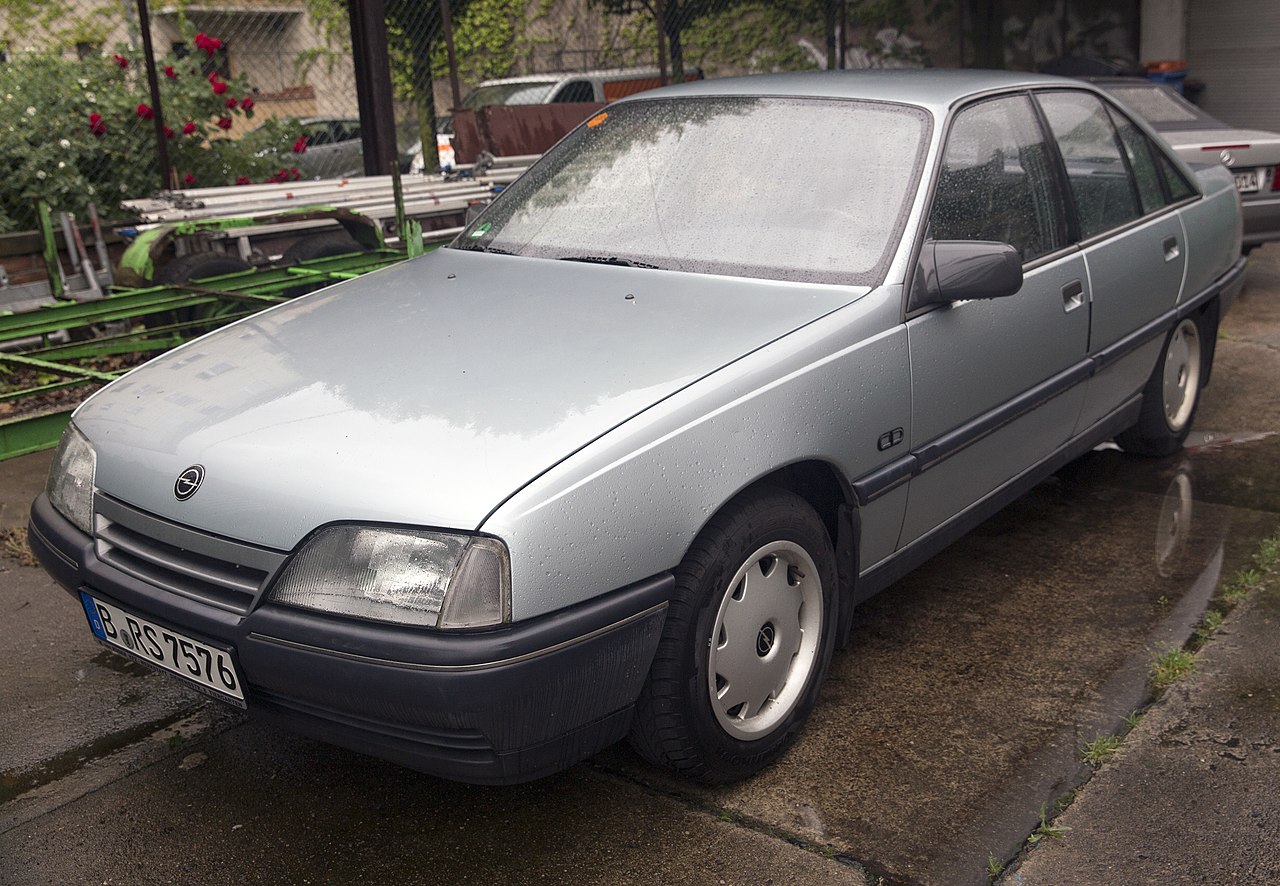
The Opel Omega was a large family/executive car produced by the German manufacturer Opel between 1986 and 2003. Introduced to replace the long-running Opel Rekord, the Omega occupied the mid-to-upper segment of Opel's passenger car range and was sold across Europe and beyond under a variety of brand names. It was offered predominantly as a four-door saloon (sedan) and, for much of its life, as an estate (station wagon) to meet the needs of private buyers and fleet customers.
Image gallery
10 Images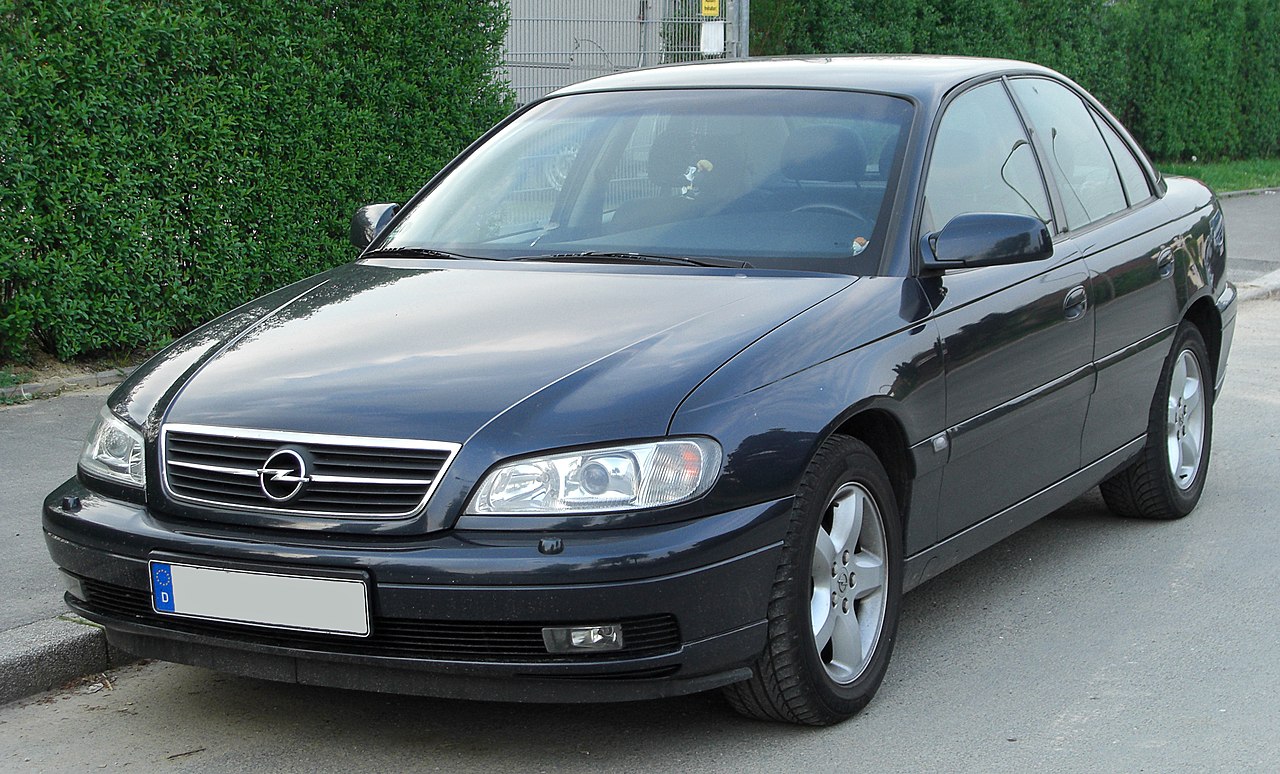




Design and mechanical characteristics
The Omega combined a focus on interior space and comfort with a design that evolved from conservative late-1980s lines to a softer, more rounded look in the 1990s. Mechanical layouts were conventional for the class: front-engine, rear-wheel drive for the first generation, with later versions also using rear-wheel-drive platforms and a range of transmissions. Across its life the model was available with a variety of petrol and diesel engines, including four- and six-cylinder units and automatic or manual gearboxes, catering to both economy-minded buyers and those seeking greater performance.
History and market names
The first Omega appeared in late 1986 as the successor to the Rekord and received a mid-life facelift around 1990. In the United Kingdom the early model was marketed as the Vauxhall Carlton. A second, more substantially revised generation reached showrooms in spring 1994 and carried a late-1990s facelift to refresh styling and equipment. In its second generation the car was sold in Britain as the Vauxhall Omega. For the North American market a version of the second-generation Omega was rebadged and sold by Cadillac as the Catera from 1997 to 2001, with styling and content changes made for that market.
Variants and notable editions
- Body styles: saloon and estate versions were the principal offerings.
- Engines: a broad mix of petrol and diesel powerplants across four- and six-cylinder ranges.
- Special models: a high-performance variant developed with external engineering input became notable in the early 1990s for its significantly enhanced output and speed, drawing attention to the platform's tuning potential.
Legacy and discontinuation
Production of the Opel Omega ended in June 2003 without an immediate, direct successor in Opel's lineup. The segment it served has since been addressed by later Opel designs and model lines that combined similar interior space with newer technology. The Omega is remembered for bridging conservative executive-car tradition with the evolving demands of the 1990s — it also illustrates how a single vehicle architecture was adapted for different markets under several brand names.
Further information
For technical specifications, trim details and market-specific histories, see manufacturer archives and dedicated model guides. The Opel corporate pages include historical summaries of the marque and its models: Opel.
Related articles
Author
AlegsaOnline.com Opel Omega — executive car (1986–2003) Leandro Alegsa
URL: https://en.alegsaonline.com/art/72744