
Ontario Highway 409
Short controlled‑access 400‑series highway connecting Highway 401 with Toronto Pearson International Airport, serving passenger and freight access along the Toronto–Mississauga boundary; provincially maintained.
Overview
Ontario Highway 409 is a short, provincially maintained controlled‑access route that provides a direct link between Highway 401 and Toronto Pearson International Airport. The highway runs along the municipal boundary between Toronto and Mississauga in the province of Ontario, and functions primarily as an airport connector carrying passengers, taxis, shuttles and commercial vehicles between the regional freeway network and airport terminals and cargo facilities.
Image gallery
7 Images



Route description
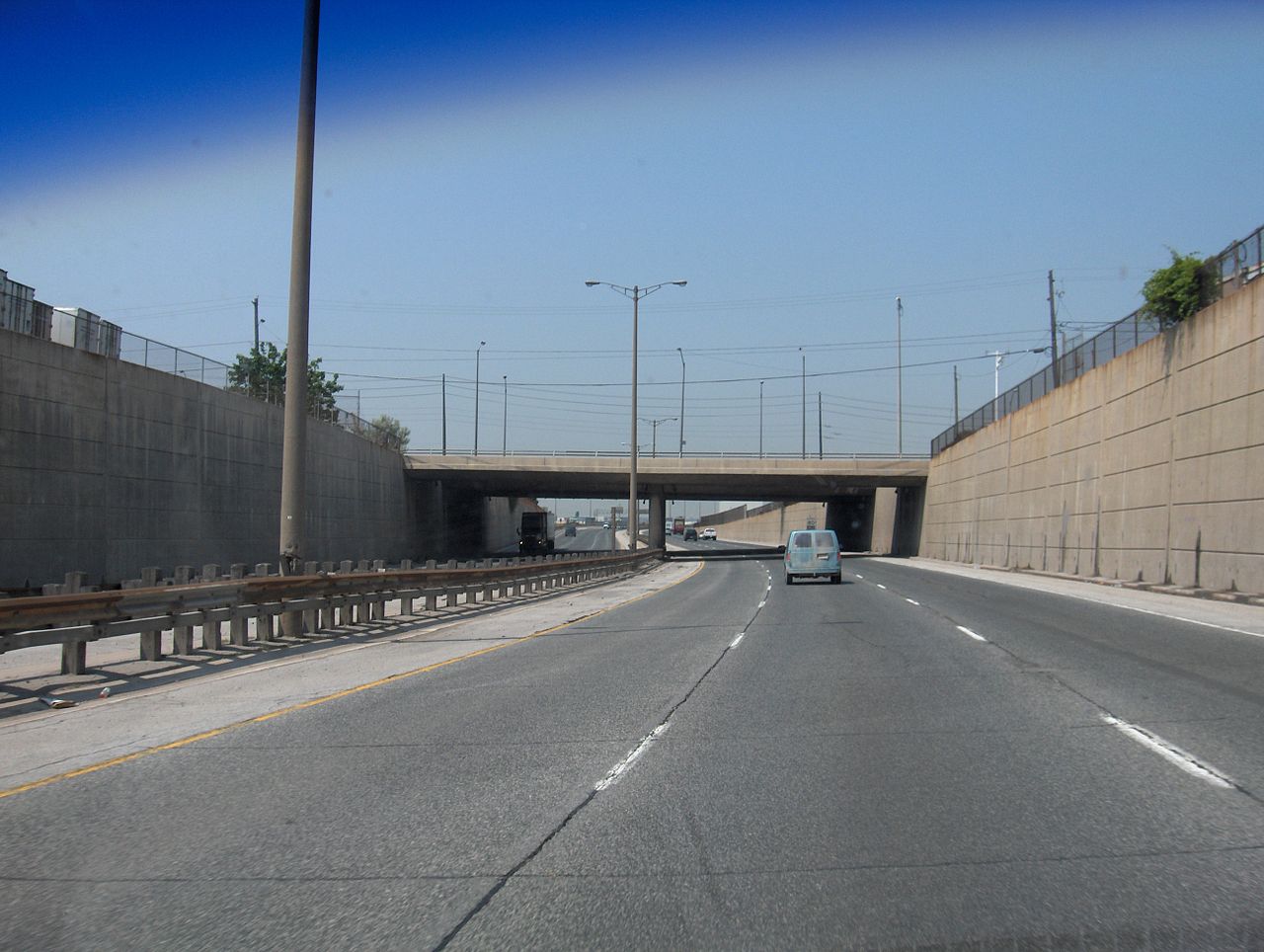
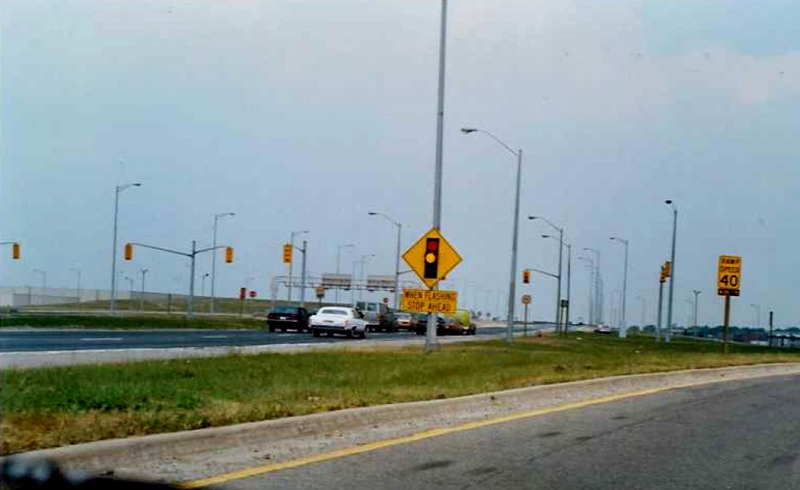
The corridor is configured as a short expressway with multiple lanes in each direction and grade‑separated interchanges that allow high‑capacity traffic movements to and from the airport precinct. Dedicated ramps provide access to terminal areas, parking facilities and cargo handling zones. The alignment was chosen to minimize conflict with local roads while providing efficient transfers to the broader 400‑series network.
Design and features
Design characteristics include long acceleration/deceleration lanes, flyover ramps at major junctions, and structural elements intended to handle heavy trucks and frequent shuttle operations. Signage, lighting and pavement standards reflect its role as an important piece of surface access to Canada’s busiest air gateway. The highway is inspected and maintained by the provincial highway authority, which manages winter clearing and routine repairs.
History and development
The route was built as part of mid‑20th‑century expansions tying suburban growth to major transport hubs. Over time, interchange configurations and ramp layouts have been modified to match airport expansions and to improve traffic flow. Incremental improvements have included ramp reconfigurations, bridge work and traffic management upgrades.
Traffic, operations and future considerations
Traffic volumes vary seasonally and daily, with peak periods tied to flight schedules and commuter patterns. The corridor is important for emergency access, freight movements and passenger transfers. Future planning discussions have focused on improving transit connections, integrating intelligent transportation systems and coordinating land use at the airport interface to manage demand and reduce congestion.
Notable facts
- Part of Ontario’s numbered 400‑series network and principally an airport connector rather than a long‑distance route.
- Serves both passenger vehicles and heavy commercial traffic to support airport logistics.
- Operates at the boundary of two municipalities, requiring coordination between provincial and local agencies.
Related articles
Author
AlegsaOnline.com Ontario Highway 409 Leandro Alegsa
URL: https://en.alegsaonline.com/art/72687