
Toronto Pearson International Airport
Primary international airport serving Toronto and the Greater Toronto Area; Canada's busiest air hub and a major North American passenger and cargo gateway.
Toronto Pearson International Airport is the main air passenger and cargo gateway for the city of Toronto and the surrounding metropolitan region. Identified by the IATA code YYZ and ICAO code CYYZ, Pearson lies on the western edge of the urban area and serves millions of travellers each year. It functions as Canada's busiest airport and a principal hub for domestic and international airline operations.
Image gallery
10 Images

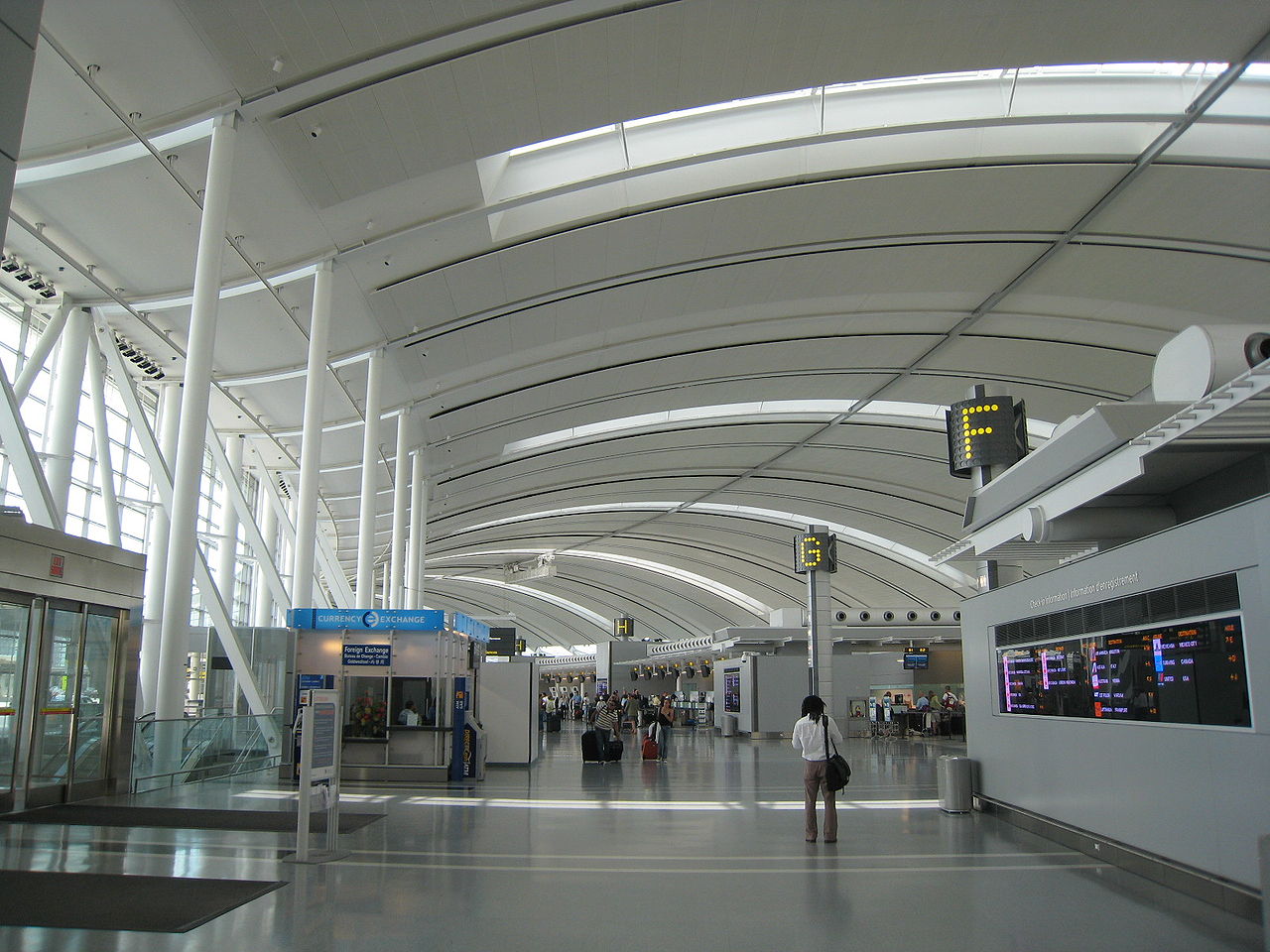


Location and layout
The airport is located northwest of downtown Toronto, within the city of Mississauga, and is commonly described as serving the Greater Toronto Area. The airfield occupies a large site with multiple runways and two principal terminal complexes. Passenger facilities include a main international terminal complex and a separate domestic terminal, linked by shuttle services and ground transport. Aprons, cargo terminals and maintenance areas support scheduled passenger flights, charter services and significant freighter operations.
Terminals and facilities
Pearson's major passenger facilities are arranged around a multi-concourse international terminal and a neighbouring domestic terminal, offering check-in, security screening, customs and immigration processing for arriving and transferring passengers. On-site amenities include airline lounges, retail outlets, dining, medical and accessibility services, business facilities and extensive ground transportation interchanges. The airport authority manages parking, ground handling and firefighting resources to support safe operations.
Operations, airlines and routes
The airport serves as a hub for Canada's largest carriers and handles a broad mix of short-haul and long-haul routes to Europe, Asia, the Americas and other regions. It supports both scheduled passenger services and air cargo movements, connecting the region to global markets. Commercial carriers, regional airlines and freight operators all contribute to Pearson's role as a national and international gateway.
History and name
The facility was renamed in honour of statesman Lester B. Pearson, Nobel Peace Prize laureate and a former Canadian prime minister. Over the decades it has expanded from a regional airfield into an international hub through successive construction and redevelopment projects that responded to rising passenger demand and evolving aviation standards.
Ground transport and connectivity
Connections to the airport include dedicated rail and bus services, major highway links, taxi and rideshare options, and extensive parking. Integrated public transit and express rail services provide scheduled links to downtown Toronto and surrounding municipalities, while regional roads and highways serve private vehicles and commercial traffic.
Governance, planning and environment
The airport is managed by a local airport authority responsible for planning, operations and community relations. Ongoing planning addresses capacity, passenger experience, cargo demand and environmental impacts. Initiatives typically focus on noise management, emissions reduction, energy efficiency and sustainable development practices to balance growth with community and environmental concerns.
Notable facts
- Canada's busiest airport and a primary international gateway for the Toronto region.
- Serves as a hub for major Canadian carriers and numerous international airlines.
- Combines substantial passenger traffic with significant cargo throughput and airport-support industries.
Related articles
Author
AlegsaOnline.com Toronto Pearson International Airport Leandro Alegsa
URL: https://en.alegsaonline.com/art/100719
Sources
- www12.statcan.ca : "2006 Census: Portrait of the Canadian Population in 2006: Findings"
- torontopearson.com : "Chapter 14: Land Use"