
Ontario Highway 407 (407 ETR) — tolled express route north of Toronto
Ontario Highway 407 (407 ETR) is a tolled expressway north of Toronto, known for open‑road tolling, private operation of much of the route, and its role easing congestion on Highway 401.
Ontario Highway 407, commonly called 407 ETR (Express Toll Route), is a high‑speed tolled highway that runs across the northern suburbs of Toronto in the province of Ontario. Built to provide a faster alternative to the often-congested Highway 401, 407 combines grade-separated interchanges with a modern electronic tolling system that removes the need for traditional toll booths.
Image gallery
10 Images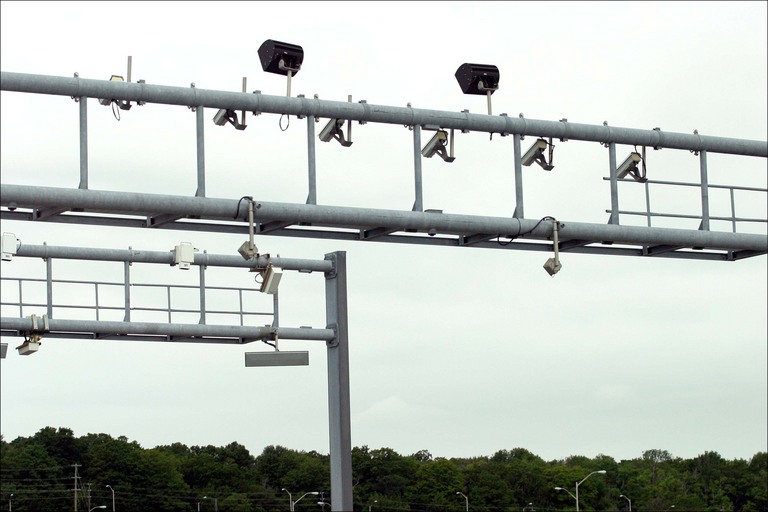


Characteristics and design
The route is designed as a multi-lane expressway with controlled access and frequent interchanges serving suburban and regional traffic. Key operational features include:
- Open-road tolling with gantries and cameras rather than manual booths.
- Distance‑based tolls that vary by vehicle type and time of day.
- Optional transponders that reduce toll costs and enable faster transactions.
- Connections and interchange options that let drivers bypass congested sections of Highway 401.
History and ownership
Constructed and opened in stages beginning in the 1990s, the highway was followed by changes in management and expansion projects. Much of the original 407 corridor was leased to a private consortium, leading to the familiar 407 ETR brand and private operation of toll collection and maintenance. The arrangement and later public extensions have created a mix of privately operated and provincially managed sections. For more on the highway's corporate and governance arrangements, see resources on ownership.
Tolling technology and driver experience
Tolls are calculated electronically using either a small in‑vehicle transponder or automatic licence plate recognition. Drivers without a transponder receive an invoice based on plate data. The system is intended to keep vehicles moving at highway speeds and to reduce delay from toll plazas, though it relies on accurate vehicle classification and address handling for billing. Information on toll rates, account setup and dispute processes is typically available from operator sites and user guides (tolling details).
Uses, benefits and controversies
As a strategic corridor, 407 ETR helps redistribute traffic across the Greater Toronto Area and supports commuter and commercial travel. Supporters cite reduced travel time and modern infrastructure; critics point to toll costs, long-term lease agreements and occasional legal or policy disputes over expansion and pricing. The highway remains an important case study in modern tolled urban expressways and public‑private partnerships.
Related articles
Author
AlegsaOnline.com Ontario Highway 407 (407 ETR) — tolled express route north of Toronto Leandro Alegsa
URL: https://en.alegsaonline.com/art/72686